

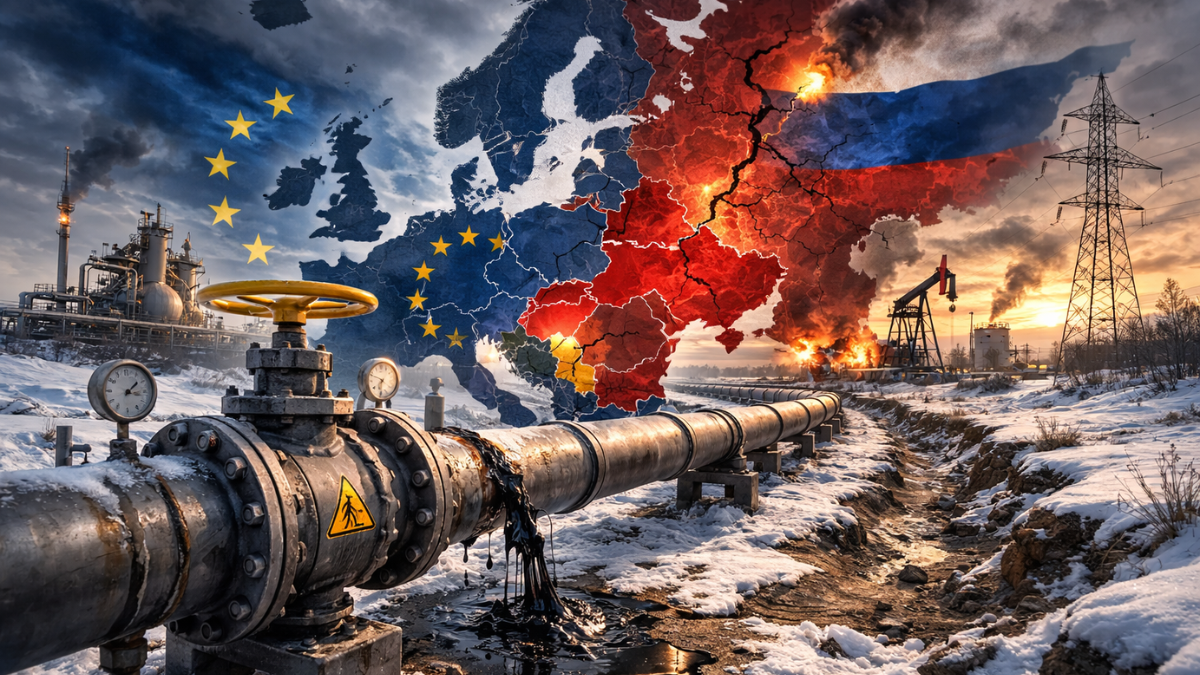


A fresh dispute has emerged inside the European Union as Hungary threatens to block the bloc’s 20th package of sanctions against Russia. The disagreement is linked to interrupted oil supplies through the Druzhba pipeline, a key route that carries Russian crude through Ukraine into Central Europe.
EU foreign ministers are set to meet in Brussels to discuss the new sanctions package. Leaders hope to approve it in time to mark the fourth anniversary of Russia’s full-scale invasion of Ukraine on February 24, 2022. However, Hungary has made clear it will not support the sanctions unless Russian oil shipments to its territory resume.
Oil deliveries to Hungary and Slovakia have been disrupted since January 27. Ukrainian officials say Russian drone attacks damaged the pipeline infrastructure inside Ukraine. Hungary disputes this explanation and accuses Ukraine of deliberately holding back oil supplies to pressure Central European nations.
Hungarian Foreign Minister Péter Szijjártó stated in a video message that Hungary will block the sanctions package. He said Hungary has already made clear that until oil shipments resume, it will not allow decisions important to Ukraine to move forward.
Because all 27 EU member states must agree unanimously for sanctions to pass, Hungary has the power to stall the decision. The disagreement has raised tensions between Budapest and Kyiv at a time when the European Union is trying to present a united front against Moscow.
Ukraine targets 225 oil tanker captains and military suppliers with new sanctions
Loan to Ukraine and Energy Pressure
In addition to blocking sanctions, Hungary has also threatened to stall a proposed $106-billion EU loan for Ukraine. The financial package is intended to support Ukraine’s military and economic needs over the next two years.
Hungary’s Prime Minister Viktor Orbán has long argued that Russian fossil fuels are essential for Hungary’s economy. He maintains that switching to other energy sources too quickly would cause serious economic harm. Hungary has frequently opposed EU measures targeting Russia’s energy revenues.
Slovakia has joined Hungary’s position. The country, led by Prime Minister Robert Fico, has also continued to rely on Russian oil and gas. While most European nations significantly reduced or ended Russian energy imports after February 2022, Hungary and Slovakia maintained and even increased supplies. Both countries received a temporary exemption from the EU ban on Russian oil imports.
Slovakia has warned it could halt diesel shipments to Ukraine over the oil dispute. It has also said it may cut emergency electricity supplies if Russian oil deliveries are not restored.
Druzhba Pipeline Crisis Deepens Regional Tensions
The dispute comes as Ukraine faces mounting pressure on its energy system. In recent months, Russian missiles and drones have repeatedly struck Ukraine’s power grid. Large areas have suffered blackouts, leaving civilians in freezing conditions during one of the coldest winters on record.
US allows Serbia’s NIS to import crude oil until March 20 under sanctions waiver
Homes, hospitals, and schools in some regions have struggled without reliable electricity or heating. Emergency electricity supplies from neighboring countries have been important in easing shortages.
Ukraine’s Foreign Ministry has rejected what it described as ultimatums and blackmail from Hungary and Slovakia. It said the actions threaten regional energy security and accused the two countries of playing into the hands of the aggressor.
The conflict over the Druzhba pipeline highlights how energy and politics remain deeply connected during the war. The pipeline runs across Ukrainian territory, making it vulnerable during ongoing fighting.
At the same time, the European Union continues efforts to increase economic pressure on Russia through sanctions. However, the need for unanimous approval means a single member state can block new measures.
As EU ministers gather in Brussels, the disagreement over oil deliveries has complicated plans to approve fresh sanctions and financial support for Ukraine, underscoring the challenges facing the bloc as the war continues.