

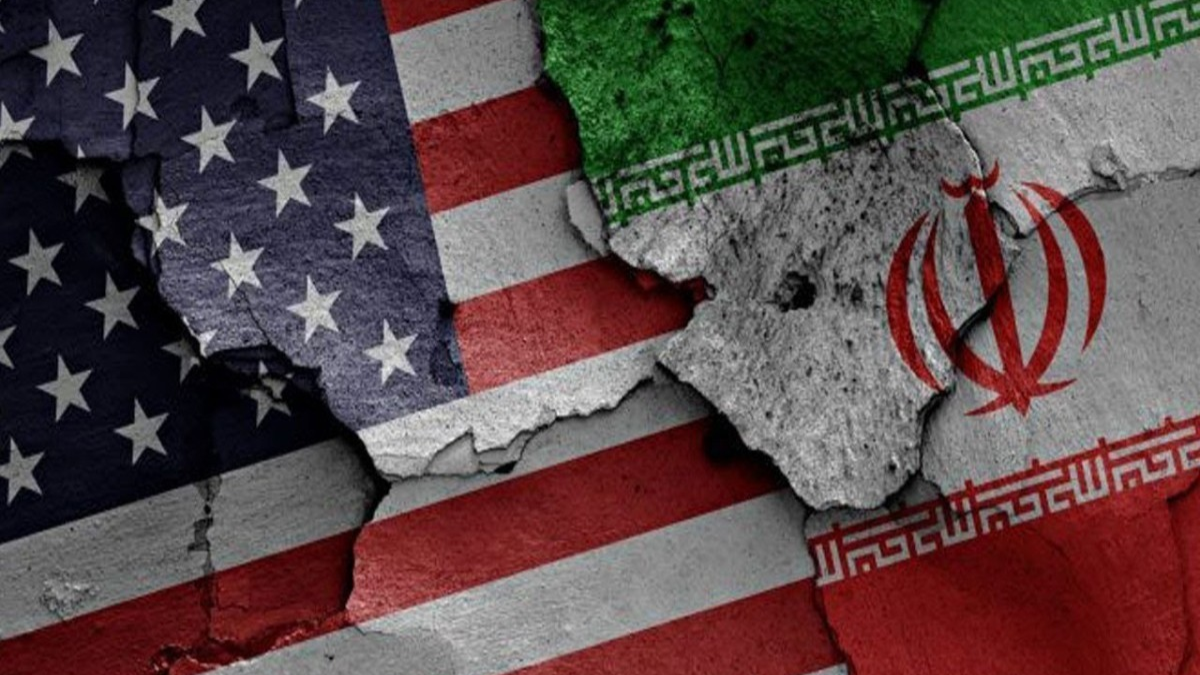


Tensions between Iran and the United States have taken a serious turn after strong statements from Iran about continuing the ongoing conflict. Iran has clearly said that the war will not stop unless all sanctions against it are removed and the damages caused during the conflict are fully paid.
According to Mohsen Rezaei, the country will keep fighting until these demands are met. The statement highlights that the decision is supported by the nation’s leadership, armed forces, and people. It also reflects the position backed by Mojtaba Khamenei. Iran has also demanded firm international guarantees to ensure that the United States does not interfere in its internal matters in the future.
This development shows how serious the situation has become. Iran’s position is clear and firm, leaving little room for compromise at this stage.
Conflicting Claims Over Talks and Military Action
At the same time, there are mixed signals coming from the United States. Donald Trump recently suggested that there are ongoing discussions between the two countries. He described these as “productive conversations” aimed at solving the crisis completely.
Sanctions eased briefly to allow Iranian oil shipments already loaded to be sold
In addition, the United States has delayed possible military strikes on Iran’s power plants and energy infrastructure. This delay, set for five days, is meant to give more time for these talks to continue.
However, Iran has strongly denied that any such talks are happening. Officials in Tehran stated that no negotiations have taken place. They also claimed that such reports are false and are being spread to influence global financial and oil markets. According to them, this is an attempt to manage the difficult situation faced by the United States and its allies.
This contradiction has added confusion to an already tense situation. While one side talks about diplomacy, the other side rejects it completely.
US shuts down alleged Iran-backed websites involved in hacking and repression
Ultimatums, Demands, and Rising Pressure
The current situation became more intense after a recent warning from the United States. Donald Trump had earlier given a 48-hour ultimatum to Iran. The demand was for Iran to reopen the Strait of Hormuz, a very important route for global oil transport.
The warning included the possibility of major military strikes if Iran did not follow the demand. These strikes were expected to target key infrastructure, especially in the energy sector.
This earlier threat did not mention any plans for dialogue or negotiations. The shift from a strong warning to talk of diplomacy has raised questions about the actual strategy being followed.
US may allow sale of stranded Iranian oil to address global supply shortage
On the other side, Iran’s leadership has made it clear that the people want strong action against what they call aggressors. Mohammad Bagher Ghalibaf said that officials stand united with their leadership and will continue their efforts until their goals are achieved.
The Strait of Hormuz remains a key point in this conflict. It is one of the most important waterways in the world for oil supply. Any disruption here can have a direct impact on global markets, especially fuel prices.
Iran’s firm stand on continuing the war, combined with its demands for compensation and removal of sanctions, shows that the situation is far from resolved. The rejection of talks and the demand for accountability further highlight the deep divide between the two sides.
At the same time, the United States’ actions—ranging from strong warnings to delaying strikes and talking about discussions—show a changing approach. These developments are unfolding quickly, making the situation highly sensitive and closely watched around the world.