

In a major corruption case in Hawaii, three individuals—Gary Charles Zamber, Rajesh Pankaj Budhabhatti, and Paul Joseph Sulla—have been sentenced for their roles in a multimillion-dollar bribery scheme involving Alan Scott Rudo, a public official at the Hawaii County Office of Housing and Community Development.
The scheme was connected to affordable housing agreements worth more than $11,000,000 and included about $1,931,778 in bribes and kickbacks. All three were convicted on June 4, 2025, in the District of Hawaii for conspiracy to commit honest services wire fraud and multiple counts of honest services wire fraud. Sulla was also found guilty of money laundering.
The sentences were delivered on different dates. Budhabhatti was sentenced on Feb. 6 to 90 months in prison. Zamber was sentenced on Jan. 30 to 70 months. Sulla received a 60-month sentence on April 23. Rudo had already pleaded guilty before the trial and testified against them, and his sentencing is pending. Zamber and Sulla also had their law licenses suspended, which means they are currently not allowed to practice law in Hawaii.
How the Scheme Worked
The case involved a plan to bribe a housing official who had authority over affordable housing agreements. These agreements are meant to support housing projects for families in need and provide opportunities for better living conditions.
Chicago man Ashraf Al Safoo gets 25-year sentence for aiding a terrorist group online
Zamber, Budhabhatti, and Sulla worked together to pay and promise money to Rudo. In exchange, Rudo agreed to use his official position to ensure that Hawaii County approved three affordable housing agreements connected to their companies. These companies were Luna Loa Developments LLC, West View Developments LLC, and Plumeria at Waikoloa LLC.
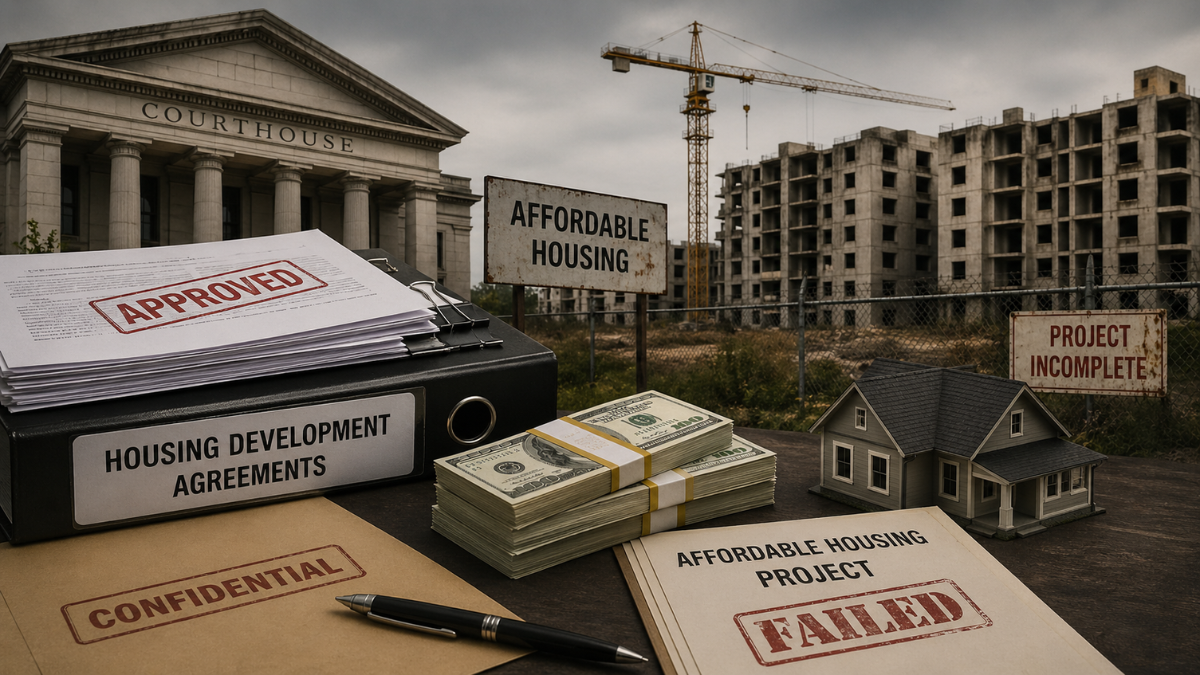
Under these agreements, the companies promised to build affordable housing units for residents of Hawaii County. However, even after receiving approvals, land, and housing credits, they did not build a single unit. This showed that the agreements were not used for their intended purpose.
Instead, they used the agreements to gain valuable land and excess affordable housing credits. The total value of the land and credits they obtained was more than $11 million. From this amount, they paid or attempted to pay nearly $1.93 million to Rudo in bribes and kickbacks.
This allowed them to benefit financially while failing to deliver housing for the community. The actions in this case show how a public system meant to help people can be misused when officials and private individuals act dishonestly.
Impact on Community and Legal Action
This case shows the serious impact of corruption on public programs in Hawaii. Affordable housing initiatives are designed to help low-income and disadvantaged families. When such programs are misused, the people who need help the most are affected.
Officials spoke strongly about the case. Assistant Attorney General A. Tysen Duva said the actions were a calculated betrayal and damaged trust in institutions. U.S. Attorney Ken Sorenson said the scheme diverted important housing resources away from those in need and into private pockets.
FBI Special Agent in Charge David Porter said the actions took away opportunities from families and harmed the community as a whole. Authorities emphasized that corruption cases like this weaken public trust and affect fair opportunities for honest businesses.
The FBI Honolulu Field Office investigated the case. The prosecution was handled by William J. Gullotta from the Criminal Division’s Public Integrity Section, along with Assistant U.S. Attorneys Mohammad Khatib and Margaret Nammar.
The case highlights how bribery, fraud, and abuse of power can interfere with public programs and deny communities the benefits they are meant to receive, especially in areas like affordable housing where the need is high.