

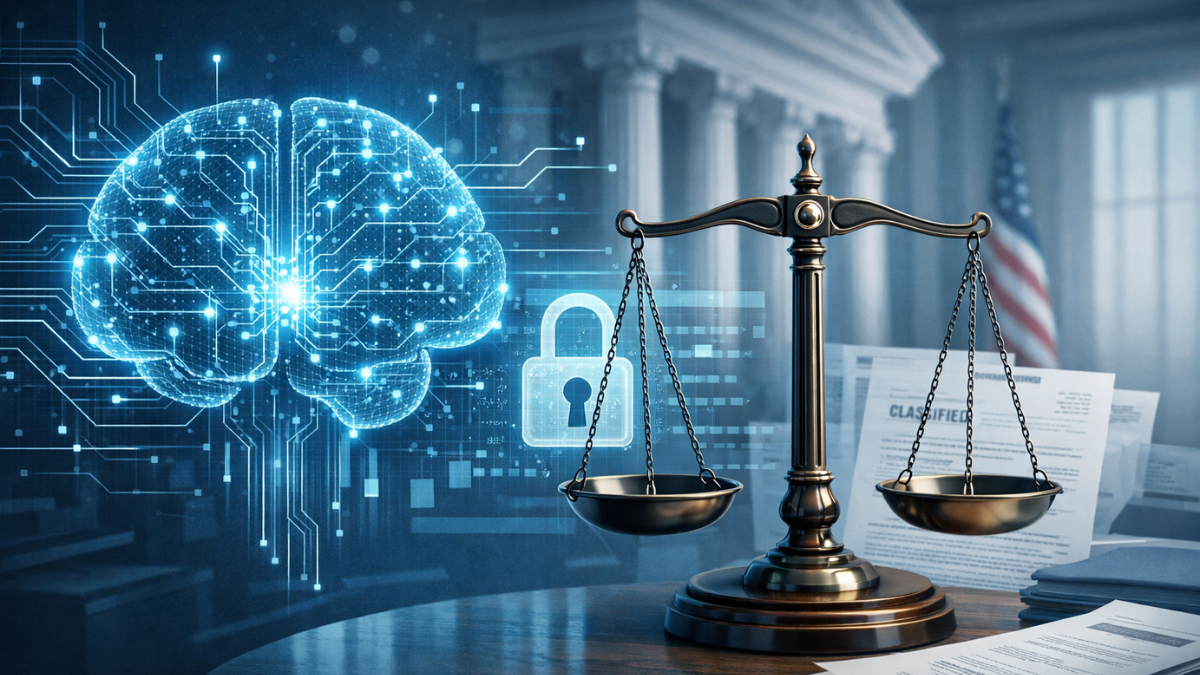


A major legal dispute has unfolded in the United States after the government imposed strict sanctions on a leading artificial intelligence company, Anthropic. The sanctions were introduced under the administration of Donald Trump and included banning all federal agencies from using the company’s technology.
Along with this ban, the company was labeled as a “national security supply chain risk.” This is a serious tag, usually reserved for organizations considered potential threats, often linked to foreign countries. Applying such a label to a U.S.-based company raised concerns across the tech industry.
The restrictions also affected contractors working with the government. Defense vendors were required to confirm that they were not using Anthropic’s AI systems in their projects. This expanded the impact beyond the company, affecting partners and clients as well.
The issue began after Anthropic expressed concerns about how its AI could be used. The company stated that its systems should not be used for mass surveillance or fully autonomous weapons. These concerns reportedly led to tensions with officials involved in defense operations led by Pete Hegseth.
Canada expands sanctions with 100 additional Russian oil tankers targeted
Soon after, the government took action against the company. Anthropic believed the measures were unfair and filed a lawsuit to challenge the sanctions and protect its operations.
Court Steps In and Suspends the Restrictions
A federal court in California reviewed the case and acted quickly. The decision was made by Rita Lin, who granted a preliminary injunction. This temporarily blocks the government’s sanctions on Anthropic.
This means the company can continue working with federal agencies for now. The “national security risk” label has also been suspended. Contractors are no longer required to avoid using Anthropic’s technology during this period.
The court raised serious concerns about how the sanctions were imposed. It said the government’s actions may have violated the law and lacked proper procedure. The judge also questioned whether the decision was fair.
Uruguayan national pleads guilty in U.S. court to bypassing Venezuelan sanctions
A key concern was freedom of expression. The court noted that the government appeared to be punishing the company for publicly disagreeing with its policies. This could go against constitutional protections.
The ruling also described the actions as possibly “arbitrary and capricious,” meaning they may not have had a strong or reasonable basis. It further stated that there was little legal support for labeling the company as a threat simply for expressing disagreement.
The injunction is temporary. The government has been given a short window to file an emergency appeal if it chooses to challenge the ruling.
Wider Impact on Tech Industry and Government Relations
The case has drawn attention across the technology sector. Many companies have shown support for Anthropic, viewing the sanctions as a concerning move.
Philippines explores sanctioned oil sources with US support to address fuel shortage concerns
There are fears that such actions could discourage companies from speaking openly on important issues. Businesses may hesitate to share opinions about how their technology should be used, especially in sensitive areas like defense.
The dispute also highlights growing tension between AI developers and government agencies. Artificial intelligence is becoming more powerful, and its use in military and surveillance activities is widely debated. While governments focus on security, companies are raising ethical concerns.
For now, the court’s decision has paused the situation. The sanctions are not active, and Anthropic can continue its operations without the earlier restrictions.
The legal process is still ongoing, and the next steps depend on whether the government decides to appeal. Until then, the temporary suspension has provided relief to the company and its partners while keeping the broader debate active.