

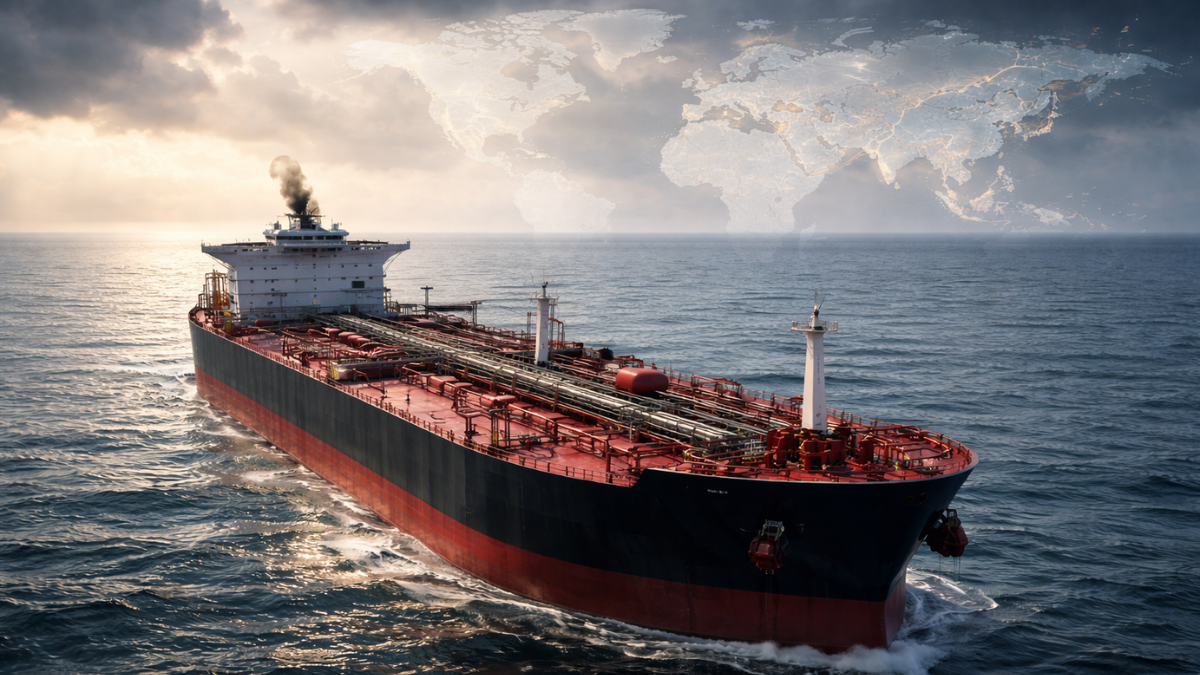


The Trump administration has issued a temporary license allowing countries to purchase certain Russian oil shipments that are currently stranded at sea. The decision was announced on Thursday as global oil markets face rising pressure and increasing prices.
The authorization applies only to Russian crude oil and petroleum products that were already loaded onto vessels as of March 12. Under the license, these shipments can be purchased and completed through April 11. The measure does not allow new Russian oil exports under the exemption.
The announcement was shared by U.S. Treasury Secretary Scott Bessent, who said the step was designed to increase the global reach of existing oil supply. According to him, the authorization permits countries to purchase Russian oil that is already in transit so it can continue flowing into the global market.
Officials described the measure as narrow and short-term. It applies only to cargo that had already been shipped before the deadline and does not open the door for additional exports.
The decision came on the same day Brent crude oil prices settled above $100 per barrel for the first time since August 2022. The increase reflects growing concern in global markets about oil supply shortages.
Macron says Strait of Hormuz crisis does not justify lifting Russia sanctions
The temporary license was also published on the U.S. Treasury website. Officials said the measure is meant to ensure that oil already at sea can reach buyers instead of remaining stranded during a period of supply pressure.
Middle East Conflict Disrupts Global Oil Transportation
The decision comes as global energy markets face disruption linked to a conflict involving Iran. The war has entered its second week and has significantly affected oil transportation through a key global shipping route.
The Strait of Hormuz, a narrow waterway connecting the Persian Gulf to international markets, has effectively been closed to tanker travel during the conflict. Around one-fifth of the world’s oil supply normally passes through this route.
Because tankers cannot safely travel through the strait, oil shipments have slowed and supply concerns have increased. This disruption has contributed to the sharp rise in oil prices.
Analysts, economists and traders have warned that even if the conflict ends quickly, the reopening of the shipping route may take time. The situation has created uncertainty in global energy markets.
As the energy shortage worsens, countries have begun taking steps to reduce the economic impact. Some governments have curbed fuel consumption, introduced fuel price caps and used emergency oil reserves.
During this time, some Russian oil shipments had already been loaded onto tankers and were waiting to reach buyers. The temporary authorization allows those shipments to enter the global market instead of remaining unused.
US assures G-7 partners India’s Russian oil waiver is strictly temporary
Political Criticism and Waiver for Indian Refiners
The decision has drawn criticism from some political leaders in the United States. Jeanne Shaheen, a Democratic senator from New Hampshire and the ranking member of the Senate Committee on Foreign Relations, criticized the move on social media.
In her statement, Jeanne Shaheen said the decision could increase funds flowing to the Kremlin while Russia continues its war in Ukraine. She also referred to Russian President Vladimir Putin, suggesting the policy could strengthen Russia financially.
Critics argue that sanctions were originally meant to limit Russia’s ability to generate revenue during the Ukraine conflict.
U.S. Treasury officials responded by saying the authorization is limited and unlikely to provide significant financial benefits to Russia. Scott Bessent explained that most of Russia’s energy revenue comes from taxes collected at the point of extraction rather than from the sale of shipments already at sea.
The United States had also granted Indian refiners a 30-day waiver to purchase Russian oil currently stranded at sea. According to Scott Bessent, the waiver was intended to allow oil supplies to keep flowing into the global market.
The temporary authorization applies only to shipments loaded before March 12 and remains in effect until April 11, allowing buyers to complete purchases of Russian oil cargo already traveling on tankers.