
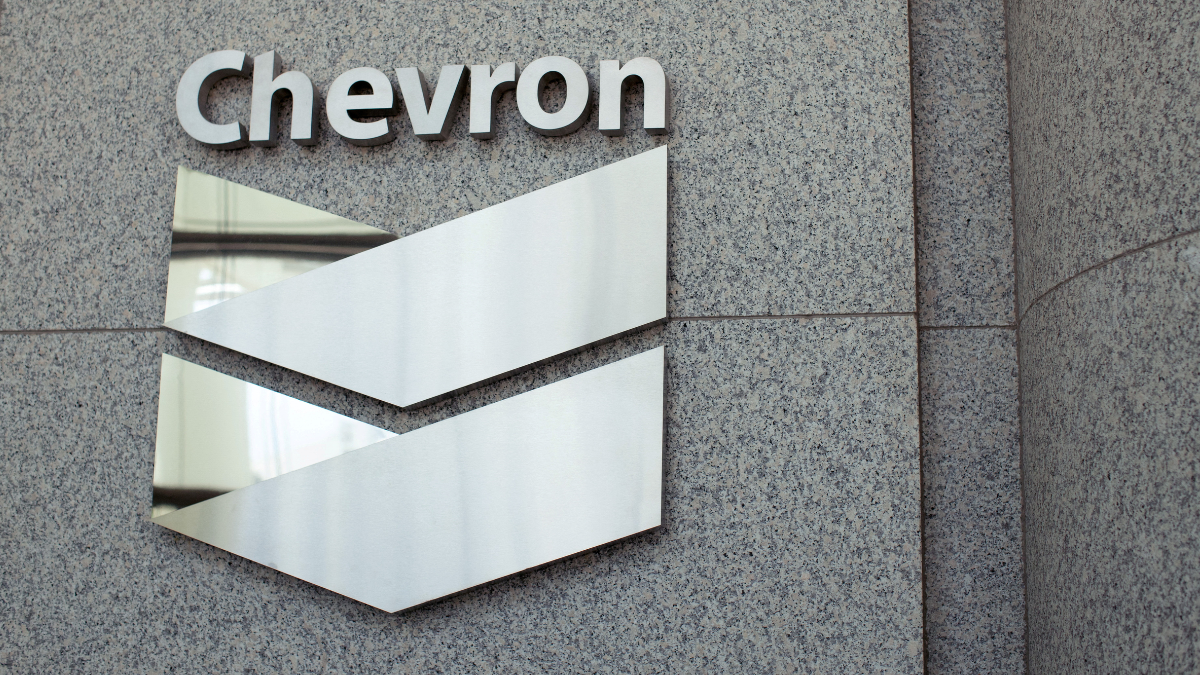


The United States government is working quickly to give Chevron a bigger and stronger permission slip to operate its oil business in Venezuela. U.S. Energy Secretary Chris Wright confirmed this in a recent interview. This change would allow Chevron to sell more oil and do business in a new way that could boost its ability to export.
Expanded License to Change Oil Pay System
Right now, Chevron must follow strict rules to work in Venezuela. The company produces oil there but is only allowed to export about half of what it makes. This is because Chevron pays Venezuela’s government in oil barrels instead of money to cover payments like taxes and fees. This limits how much oil Chevron can send out of the country.
According to Energy Secretary Wright, this is about to change. The new permission, once approved, will let Chevron pay the Venezuelan government with cash instead of giving barrels of oil. That means Chevron could sell all the oil it produces and not have half of it tied up just to pay fees.
If this happens, Chevron would not only produce oil but also become a full marketer of crude oil from Venezuela. Basically, that means the company could sell the oil anywhere it chooses — inside the U.S. and abroad.
Behind closed doors, U.S. seeks warrants to seize Venezuela’s hidden oil armada
Chevron has not responded publicly yet about this possible change.
U.S. Control of Venezuela’s Oil Sales
This expanded license move is part of an even bigger U.S. role in Venezuela’s oil business. In recent weeks, the U.S., under President Donald Trump, announced plans to control oil sales for Venezuela. It aims to market around 50 million barrels of stranded Venezuelan oil — oil that could not be sold before because of rules and sanctions.
Before recent changes, Venezuela, led by Nicolas Maduro, was earning about $31 for each barrel of oil sold, according to Energy Secretary Wright. That figure was linked to world oil prices and how Venezuela was selling oil under old conditions.
Now, with the new approach, the U.S. says it is getting about $45 per barrel because the oil can go to more buyers at better prices. This means the money earned from the oil sales could be higher under the new system.
What Happens to the Oil Money?
The U.S. has already started selling some of this oil. The money earned from those sales is not going straight to U.S. banks yet. Instead, it is being kept in bank accounts in Qatar that are controlled by the U.S. government. The reason for this is because of complex banking rules and international sanctions.
After years of default, Venezuela’s $60bn bond crisis edges toward negotiations
Energy Secretary Wright said this is only temporary. Eventually, the U.S. would prefer to move the money into banks inside the United States. But for now, keeping the funds in Qatar makes it faster and easier to work within the rules.
Background on Chevron and Venezuela
Chevron is one of the largest oil companies in the United States and one of the few still working in Venezuela’s oil fields. Venezuela holds some of the world’s largest oil reserves, but years of economic problems and sanctions have slowed down oil production.
Before now, Chevron could only sell a portion of its oil from Venezuela because it had to use some of the oil to pay fees instead of cash. The new expanded license would let it sell every barrel it produces, which could change how U.S. companies take part in Venezuela’s oil business.
This development comes after recent political changes in Venezuela. The previous leader, Nicolas Maduro, was removed from power earlier this month, and the U.S., led by President Donald Trump, is now working to support a new government and revive the oil industry.
For now, Chevron and the U.S. government are focused on finalizing the expanded license as fast as possible. The goal is to unlock more oil for sale and help support the oil industry in Venezuela.