

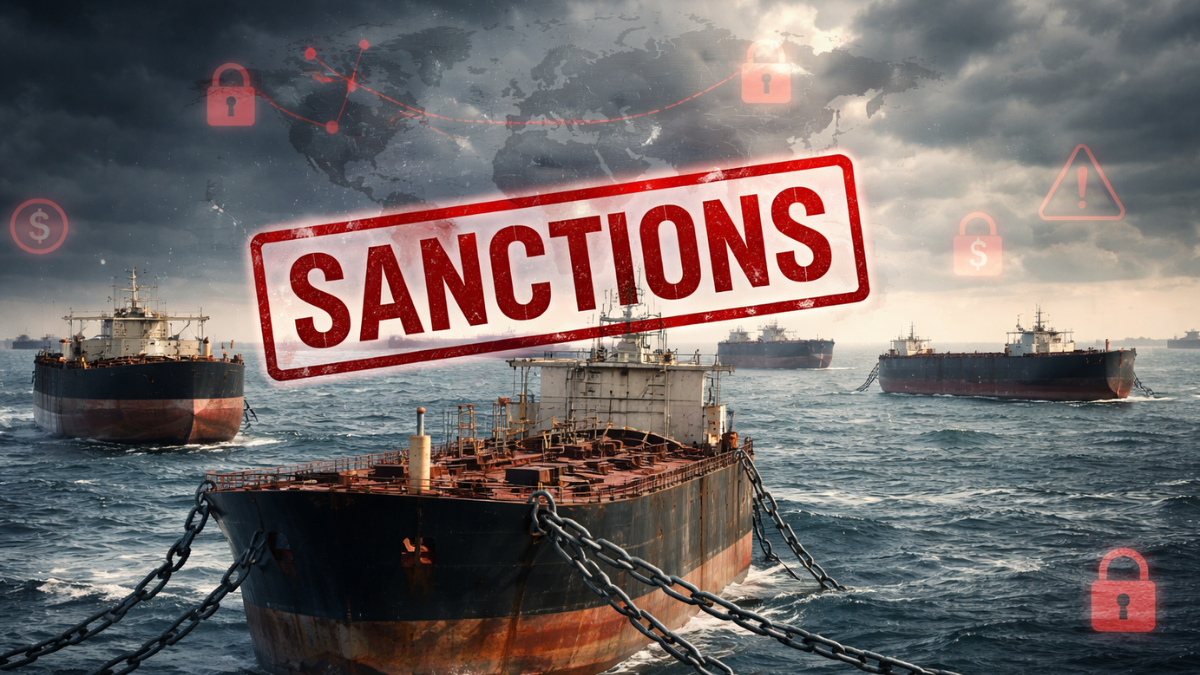


Canada has announced a fresh round of sanctions targeting Russia’s oil transport system. On March 26, the government added 100 more vessels to its sanctions list. These ships are believed to be part of what is known as Russia’s “shadow fleet.”
The announcement was made by Anita Anand. This action is part of a wider effort to limit Russia’s ability to fund its ongoing war in Ukraine. The newly sanctioned ships are mostly oil tankers. They are used to move Russian oil and goods across the world, often in ways that try to avoid existing restrictions.
With this latest move, Canada has now sanctioned more than 600 vessels connected to Russia’s shipping operations. This shows a steady increase in pressure aimed at weakening Russia’s economic activities linked to the war.
The decision follows an earlier sanctions package announced on February 24, which marked four years since the start of the full-scale invasion. That earlier package also targeted 100 similar vessels.
What Is Russia’s Shadow Fleet and Why It Matters
The term “shadow fleet” refers to a group of ships used to quietly transport oil and goods despite international sanctions. These vessels often operate in ways that make them hard to track.
Canada removes nearly three dozen crypto firms from official registry after investigation
Many of these ships are old and may not meet modern safety standards. Some change their registration to different countries. Others hide their real ownership. In some cases, ships turn off their tracking systems to avoid being seen.
These methods allow the ships to continue moving oil even when restrictions are in place. This helps Russia keep earning money from its oil exports.
Oil is a major source of income for Russia. Even with sanctions, selling oil brings in large amounts of money. By using the shadow fleet, Russia can continue these sales without following normal rules.
That is why countries like Canada are focusing on these vessels. By targeting the ships themselves, it becomes harder for them to operate. They may not be allowed to dock at ports. They can lose access to insurance. Financial services may also be blocked.
This makes it more difficult and costly for these ships to continue their operations.
Growing International Actions to Disrupt the Network
Canada’s latest move is part of a broader effort by several countries to act against the shadow fleet. These actions are becoming more frequent and more direct.
On March 25, the United Kingdom announced new steps allowing its armed forces and law enforcement to board suspected shadow fleet vessels in its waters. This gives authorities more power to inspect and control these ships.
European Union extends Russia sanctions until September after debate over sanctions list
France has also taken action in recent months. It has intercepted vessels linked to the shadow fleet on multiple occasions. These incidents took place in late September 2025, at the end of January, and again in late March.
These efforts show that multiple countries are working together to disrupt the network of ships used to transport Russian oil.
The goal of these actions is to reduce the flow of money that supports Russia’s war efforts. By making it harder to transport oil, countries aim to limit earnings from these exports.
The latest sanctions from Canada were welcomed by Volodymyr Zelensky. The move was described as an important and timely step that increases pressure on Russia.
Canada has also made it clear that it plans to continue working with allies and partners. The focus remains on increasing sanctions and maintaining pressure related to the ongoing conflict.
The addition of 100 vessels to the sanctions list highlights how central the shadow fleet has become in the global response to the war. It also shows how countries are shifting attention from individuals and companies to the tools and systems that help keep trade moving.
As of now, these coordinated actions continue to focus on disrupting the movement of oil and goods linked to Russia, using sanctions and enforcement measures across different regions.