

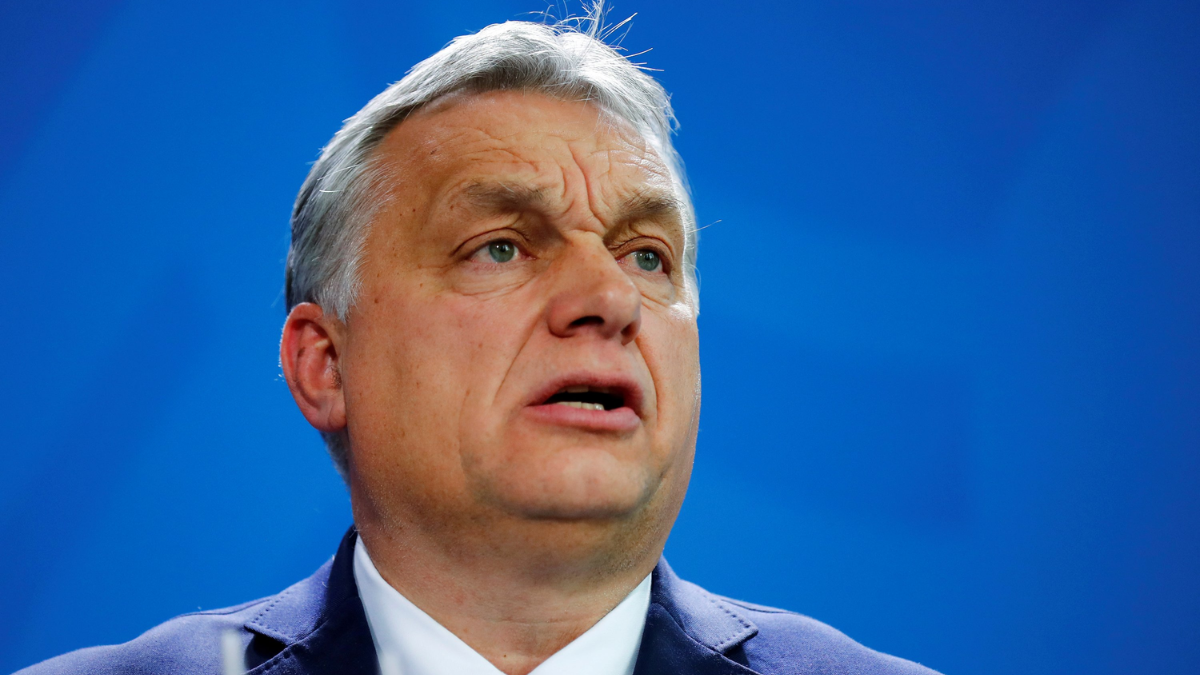


Hungary, led by Prime Minister Viktor Orban, has asked the European Union to suspend all sanctions on Russian energy. The request was made to European Commission President Ursula von der Leyen through a formal letter. According to the Hungarian government, this step is necessary to prevent a further rise in crude oil prices in the country.
The government explained that energy prices are increasing rapidly, making fuel more expensive for Hungarian households and businesses. Officials said that if the sanctions continue without change, the cost of diesel and gasoline could reach unbearable levels for many people. Rising energy costs are causing concern across multiple sectors, including transportation, manufacturing, and everyday consumer goods. Higher fuel prices not only affect drivers but also increase the cost of goods and services that rely on transport.
Hungary has stressed that immediate measures are needed to protect citizens from sudden spikes in energy costs. The government’s request highlights the direct connection between international policies and local economic conditions. Authorities noted that without prompt action from the European Union, fuel prices could create serious financial strain on families and businesses.
US issues 30-day waiver for Russian oil purchases by India amid regional tensions
Government Steps to Control Fuel Prices
In addition to sending a letter to the European Union, Prime Minister Viktor Orban called a government meeting to discuss potential measures to prevent fuel prices from climbing further. During the meeting, officials plan to examine options that could stabilize the market and shield consumers from high costs.
Hungary is facing a situation where global oil price fluctuations are creating uncertainty in the local market. The government emphasized that continued sanctions on Russian energy could worsen this situation, making it more difficult for households and businesses to manage their budgets. Officials also mentioned that energy affordability is a key concern for the government, and immediate actions are required to prevent further economic pressure.
Prime Minister Orban and his team are closely monitoring the energy market. They highlighted that rising fuel costs are already impacting public transportation, logistics, and everyday commuting. If the situation is not addressed, officials warned that the increase in diesel and gasoline prices could have wider economic repercussions.
UK removes sanctions on John Michael Ormerod over Russia-linked tanker purchases
Official Statements and Reactions
Prime Minister Viktor Orban released a video on social media to explain the situation to Hungarian citizens. He stressed that the government is acting urgently to prevent severe impacts on daily life. The video also explained that the current trends in fuel prices are putting a significant strain on household budgets, making it difficult for many families to afford basic transportation needs.
Hungary has asked European Commission President Ursula von der Leyen to seriously consider the request for a temporary suspension of energy sanctions. Officials argued that such a move could help stabilize the market and prevent sudden price shocks. The appeal emphasizes the urgency of the situation and shows how international energy policies can have immediate effects on citizens.
Hungary’s request comes amid wider discussions in the European Union about energy security and cost management. Many EU countries are experiencing high energy prices, and this step by Hungary highlights the challenges governments face in balancing international policy decisions with the economic needs of their people. The Hungarian government, under Viktor Orban, continues to focus on ensuring that energy remains accessible and affordable for households and businesses.
By reaching out to the European Union and Ursula von der Leyen, Hungary hopes to gain support for measures that would ease pressure on the local energy market. The country is emphasizing that timely action is essential to prevent further increases in fuel prices and to protect citizens from economic strain caused by international sanctions.