

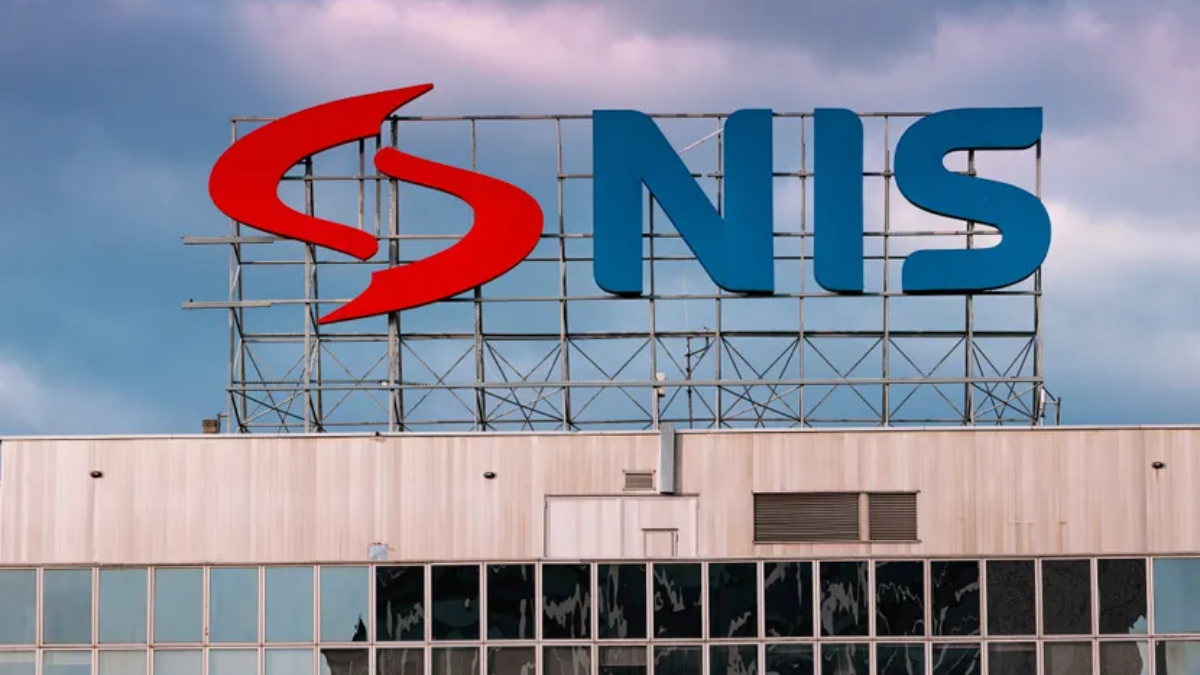


The United States has granted a new sanctions waiver to Serbia’s Russia-owned oil company NIS, allowing it to continue operating until March 20. The waiver means the company can keep importing crude oil and supplying fuel to the Serbian market without interruption.
Serbia’s Energy Minister Dubravka Đedović Handanović confirmed the extension in a statement. She said NIS will now be able to import crude oil and continue supplying the market with crude oil products. The extension gives Serbia another month to maintain stability in its energy sector.
NIS, short for Naftna Industrija Srbije, is Serbia’s main oil and gas company. It operates the country’s only oil refinery, located in the town of Pančevo, just outside the capital, Belgrade. The refinery processes imported crude oil into fuels such as gasoline and diesel that are used across the country.
The waiver was issued by the US Treasury Department through the Office of Foreign Assets Control, commonly known as OFAC. This office is responsible for enforcing US sanctions and financial restrictions.
AI hallucinations hit U.S. courts as judges impose sanctions over fake citations
Sanctions on NIS were first imposed in October. They were part of broader measures targeting Russia’s energy sector over Moscow’s war in Ukraine. Because the company is majority-owned by Russian companies, it became subject to these restrictions.
Why NIS Was Sanctioned
NIS is largely controlled by Russian energy firms. Gazprom Neft holds a 44.9 percent stake in the company, while Gazprom owns 11.3 percent. Together, these two companies control more than half of NIS.
The Serbian government owns 29.9 percent of the company. The remaining shares belong to small shareholders and employees. Despite the Serbian government’s stake, majority ownership by Russian companies placed NIS under US sanctions.
Sanctions can affect how companies operate internationally. They can limit financial transactions and restrict access to certain markets. In this case, the measures could have disrupted NIS’s ability to import crude oil, which is essential for refining fuel in Serbia.
European Union places Iran’s IRGC on terrorist list under counter-terrorism sanctions regime
In December, OFAC gave NIS until late March to negotiate the divestment of majority stakes held by Gazprom Neft and Gazprom. The current waiver continues to allow operations until March 20, providing additional time for those negotiations to take place.
Without access to crude oil imports, the Pančevo refinery could face difficulties in maintaining fuel production. Since it is Serbia’s only refinery, any disruption could directly affect the country’s supply of gasoline and diesel, impacting businesses, transportation, and daily life.
Talks on Ownership and Stake Sale
Efforts are underway to change the ownership structure of the company. On January 19, MOL Group announced that it had signed a binding agreement with Russian companies to purchase their stake in NIS. If completed, the deal would reduce or remove majority Russian ownership in the company.
Russia openly defies Cuba sanctions as Putin reaffirms sovereignty stance
It was also stated that ADNOC would become a minority stakeholder in NIS. This arrangement would introduce a new international partner into the company’s ownership structure while keeping operations active in Serbia.
Talks between Gazprom Neft and MOL are continuing, with Serbia included in the discussions. Dubravka Đedović Handanović said she plans to travel to the United States next week to seek solutions regarding sanctions against NIS. She added that intensive talks would continue in order to improve Serbia’s position.
The ownership stakes currently stand at 44.9 percent for Gazprom Neft and 11.3 percent for Gazprom, while the Serbian government holds 29.9 percent. The rest belongs to small shareholders and employees. These figures remain central to the ongoing negotiations aimed at addressing the sanctions issue.
The waiver until March 20 ensures that NIS can continue importing crude oil and supplying petroleum products while negotiations move forward. The refinery in Pančevo remains operational, producing fuel that is distributed throughout Serbia via NIS service stations and other outlets.
US sanctions linked to Russia’s energy sector remain in place. However, the temporary waiver allows Serbia’s Russia-owned NIS oil firm to maintain operations under limited permission until the March 20 deadline, ensuring continued fuel supply during the ongoing talks.