

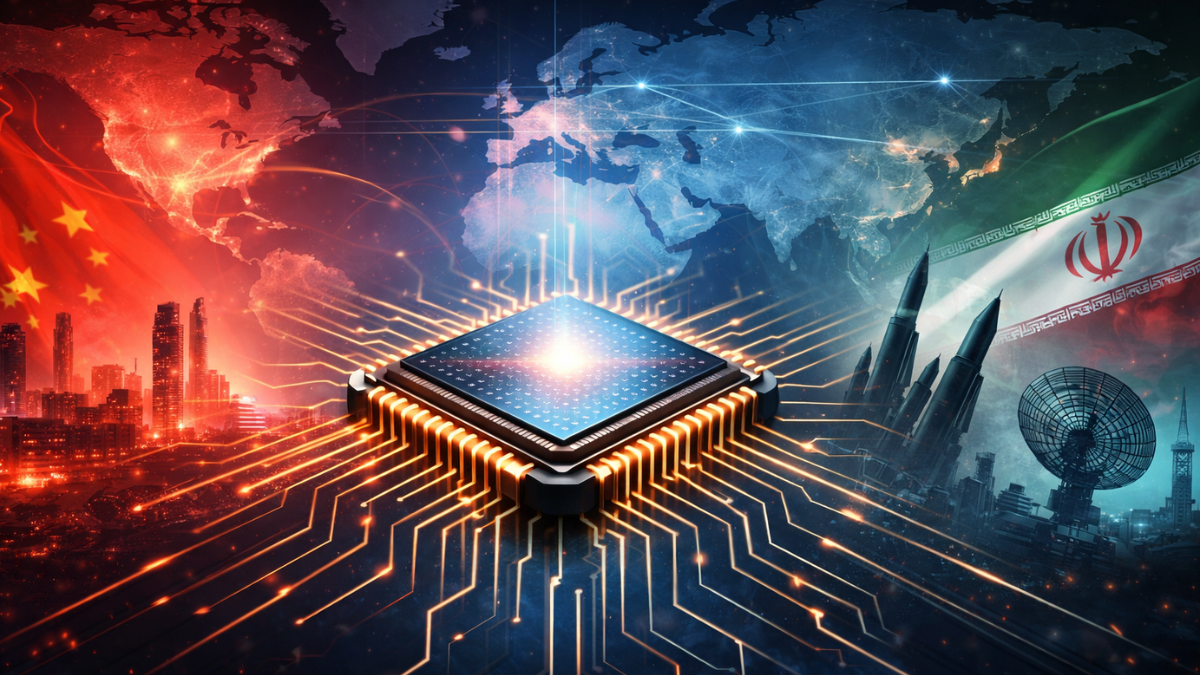


A new report from the United States has raised serious concerns about technology transfers between China and Iran. According to U.S. officials, Semiconductor Manufacturing International Corporation, also known as SMIC, has been sending chipmaking tools to Iran’s military sector.
These tools are used to produce semiconductors, which are small but powerful components inside electronic devices. The officials said that this activity began around a year ago and may still be ongoing. They also claimed that the cooperation likely included technical training related to semiconductor production.
The tools were reportedly supplied to Iran’s “military industrial complex.” This term refers to the network of industries that produce equipment and technology for defense purposes. Officials stated that such tools can be used in many types of electronics that require chips.
However, the officials did not confirm whether the equipment included technology originally made in the United States. If it did, sending it to Iran could break U.S. sanctions. The statements were made anonymously, and no detailed evidence was shared publicly.
Semiconductor Manufacturing International Corporation has not responded to these claims. The Chinese Embassy in Washington and representatives linked to Iran at the United Nations also did not provide any immediate comment.
Iran links end of conflict to sanctions removal and compensation from the United States
Why Chip Technology Matters in Modern Defense
Semiconductors are essential for modern technology. They are found in everyday devices like smartphones and computers. But they are also very important in military systems.
Chips are used in communication systems, radar equipment, drones, and guided missiles. Because of this, access to chipmaking tools can help a country improve its defense capabilities. It can also reduce the need to depend on foreign suppliers.
Iran has faced many restrictions over the years that limit its access to advanced technology. These restrictions have made it difficult for the country to develop its own electronics industry. If Iran gains more chipmaking ability, it could build more systems on its own.
The United States has been trying to control the global flow of advanced semiconductor technology. It has placed strict limits on companies that it believes are linked to military activities. Semiconductor Manufacturing International Corporation was added to a U.S. trade blacklist in 2020. This limits its ability to buy advanced equipment from American companies such as Lam Research, KLA, and Applied Materials.
Despite these restrictions, Semiconductor Manufacturing International Corporation remains the largest chipmaker in China. The company has denied claims that it is connected to China’s military sector.
Rising Tensions Amid Ongoing Conflict
The allegations come at a time of increased tension in global politics. The United States is already involved in a conflict with Iran, along with Israel. This conflict began on February 28 and has affected global markets.
Sanctions eased briefly to allow Iranian oil shipments already loaded to be sold
Oil prices have risen, and there are growing fears about inflation around the world. The situation has also led to increased military presence in the region.
At the same time, the relationship between United States and China has become more strained. The U.S. has been working to limit China’s progress in advanced chip manufacturing.
In 2024, the United States tightened these restrictions even further. This happened after Semiconductor Manufacturing International Corporation was reported to have produced a highly advanced chip used in the Huawei Mate 60 Pro developed by Huawei.
China has not openly supported either side in the Middle East conflict. It has continued to call for peace talks and has said that it maintains normal trade relations with Iran.
Separately, there have been reports that Iran is close to reaching a deal with China to buy anti-ship cruise missiles. This comes as the United States has increased its naval presence near Iran’s coastline.
It is not yet clear how the reported chipmaking tools have been used. Officials did not explain whether the equipment has played any role in recent military actions. The full impact of these developments remains uncertain as more details are awaited.