

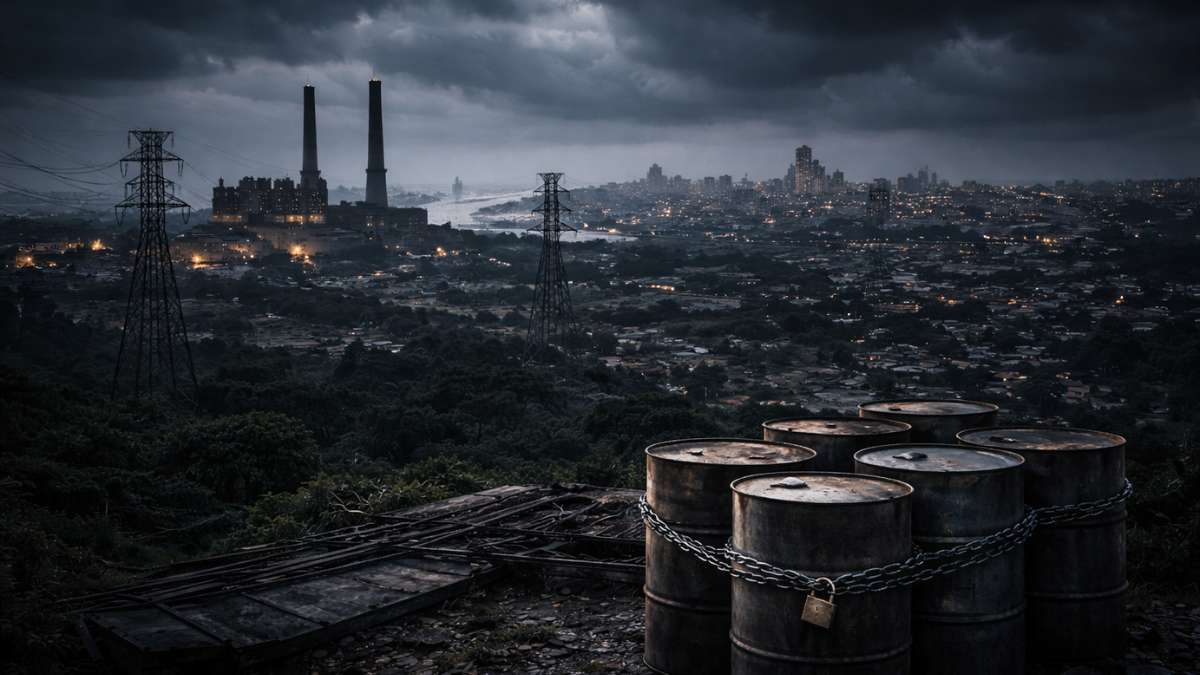


Millions of people across Cuba were suddenly left without electricity after a large-scale blackout struck the western part of the island on Wednesday afternoon. The outage affected a wide area stretching from Camagüey to Pinar del Río, including the greater Havana metropolitan region. The blackout happened after a sudden disconnection of the national electrical grid at around 12:41 p.m., according to the United States Embassy in Cuba.
The loss of electricity caused major disruption for residents and businesses. Many communities were left without lighting, refrigeration, water supply, and communication services. Power outages of this scale have become increasingly common across the country as Cuba struggles with a worsening energy crisis driven by aging infrastructure and limited fuel supplies.
The blackout added to the daily challenges faced by many people across the island. In recent years, scheduled and unscheduled power outages have become a regular occurrence as the country’s electricity system faces growing pressure.
Power Plant Shutdown Triggers National Grid Failure
The widespread outage was reportedly caused by the unexpected shutdown of the Antonio Guiteras thermoelectric plant. The power station is located about 62 miles east of Havana and is one of the most important electricity generators in the country.
UK removes sanctions on John Michael Ormerod over Russia-linked tanker purchases
When the plant stopped operating suddenly, the national electrical system was unable to handle the sudden loss of power. This triggered a chain reaction that led to the collapse of the grid across a large portion of western Cuba.
Cuba’s Minister of Energy and Mines, Vicente de la O Levy, said that authorities were working to restore the national electricity system amid what he described as a complex energy situation. Engineers began efforts to stabilize the grid and gradually bring electricity generation back online.
Initial reports suggested that restoring the system could take at least three days as technicians work to reconnect power plants and stabilize the network.
During the blackout, many cities and towns experienced complete darkness. Traffic signals stopped working in several areas, creating difficulties for drivers and pedestrians. Many businesses were also forced to shut down temporarily because they depend on electricity to operate.
However, some traffic lights and businesses were able to continue functioning with the help of solar panels or backup generators. Many residents have also installed solar panels on their homes and vehicles to maintain electricity during power outages and rising fuel costs.
Despite these alternative solutions, most people across the country still rely on the national electricity grid. As a result, the sudden failure of the system caused widespread disruption for millions of residents.
Fuel Shortages and Sanctions Deepen the Energy Crisis
The blackout comes at a time when Cuba is already facing a severe energy crisis. The country has long struggled with aging power plants and chronic shortages of fuel needed to generate electricity.
Cuba’s energy crisis intensifies as 24-hour blackouts mount and solar expansion accelerates
Cuba relies heavily on imported oil to operate its electricity system. In recent months, the situation has worsened due to sanctions imposed by the United States under President Donald Trump, which have made it more difficult for Cuba to secure energy supplies.
The crisis intensified earlier this year when Venezuelan oil shipments were disrupted. Venezuela has historically been one of Cuba’s most important sources of fuel.
In January, a United States military operation captured Venezuelan President Nicolás Maduro, which resulted in the halt of Venezuelan oil exports. The loss of these shipments cut off a major source of fuel for Cuba’s power plants and placed additional pressure on the country’s electricity system.
Cuban President Miguel Díaz-Canel stated earlier this year that despite the United States severing the country’s energy lifeline, his administration would not negotiate with Washington to establish a new agreement.
As fuel supplies tightened and power plants struggled to operate, electricity shortages became more common across the island. The latest blackout highlighted the fragile condition of Cuba’s power infrastructure as millions of residents continue to face frequent disruptions to essential services.