

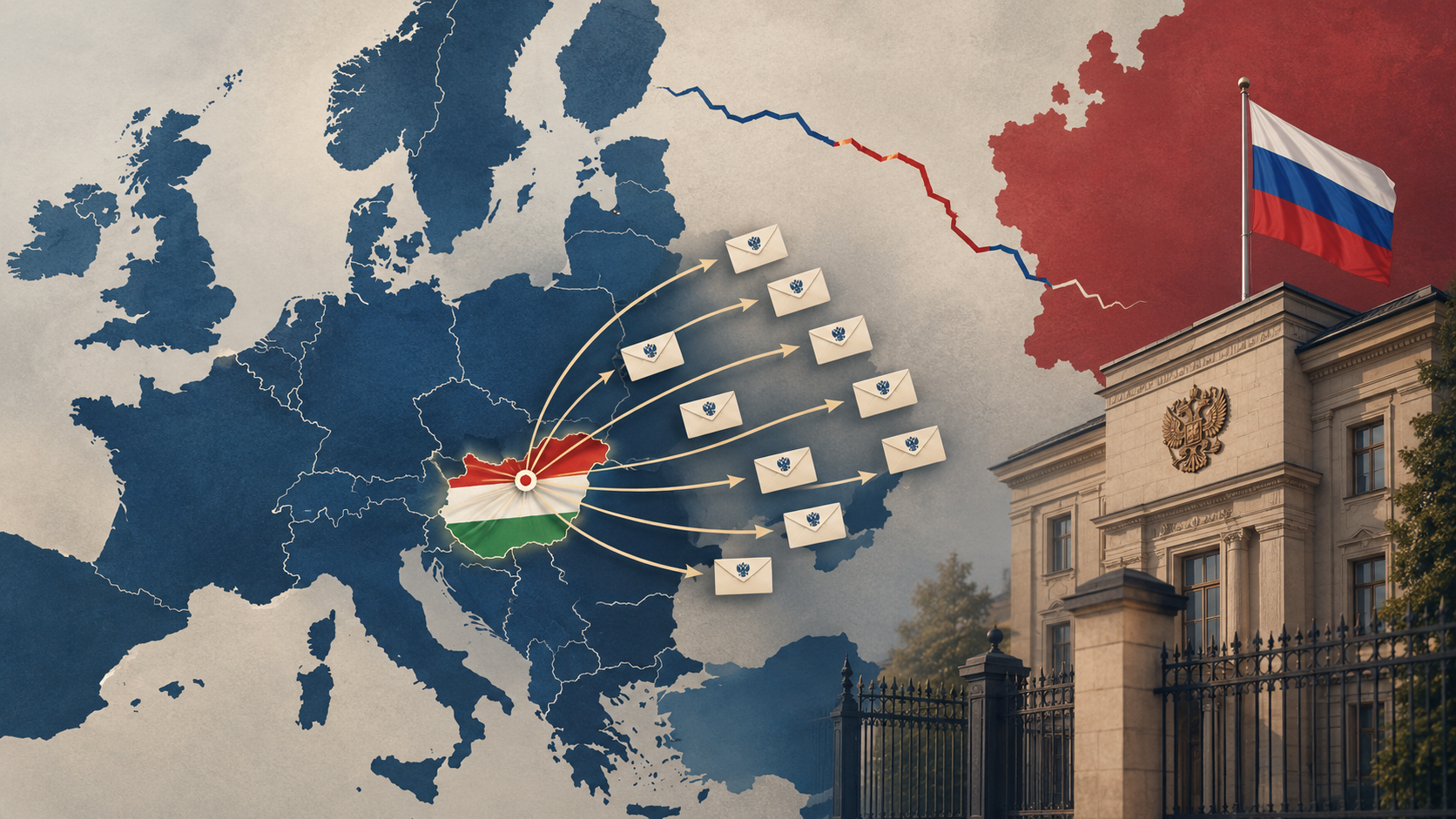


Hungary just did something it avoided for the entire Russia-Ukraine war so far: expelling Russian diplomats. Ten members of Russia’s mission in Budapest have been ordered out over activities described as “unacceptable” under the Vienna Convention, and Moscow is promising to hit back “harsh and painful.”
At a Glance
- Hungary ordered 10 members of Russia’s diplomatic mission in Budapest to leave the country on 8 September 2026.
- It’s the first such expulsion by Hungary since Russia’s full-scale invasion of Ukraine in 2022, one of the last EU states to take this step.
- Hungarian Foreign Minister Anita Orbán cited conduct “unacceptable for diplomats under the Vienna Convention,” without disclosing specifics.
- Russia’s Foreign Ministry, through spokeswoman Maria Zakharova, has promised a response that will be “harsh and painful.”
- The move follows Hungary’s 2026 change of government, from longtime pro-Kremlin leader Viktor Orbán to current Prime Minister Péter Magyar.
What Hungary Announced
Hungary’s Foreign Ministry informed Russia’s ambassador in Budapest, Evgeny Stanislavov, of the decision directly. Anita Orbán, no relation to former prime minister Viktor Orbán, said in a statement that the assessment came from Hungarian authorities and did not amount to a full diplomatic rupture.
EU sanctions against Russia: 21st package expands banking, crypto and oil restrictions
What Orbán Said
“This decision protects Hungary’s security and sovereignty,” Orbán wrote, adding that it “does not imply breaking off diplomatic relations with Russia.” She said Hungary intends to continue “the necessary dialogue, based on mutual respect and adherence to the rules.”
Why Hungary Held Out This Long
Hundreds of Russian diplomats have been expelled across Europe since 2022, but Hungary consistently stayed off that list, a direct consequence of Viktor Orbán’s 16-year tenure, during which Budapest routinely opposed EU sanctions on Russia and resisted military aid to Ukraine, maintaining closer economic and diplomatic ties to Moscow than any other EU capital.
The Government Behind the Shift
That changed after Orbán’s election defeat earlier in 2026. His successor, Péter Magyar, was sworn in on a platform centered on rooting out corruption and dismantling the power structures Orbán left behind.
Russia strengthens shadow LNG fleet as Europe tightens sanctions
Where Magyar Still Holds Back
Magyar’s government remains cautious about arming Ukraine directly, keeping one clear point of continuity with the previous administration even as it shifts elsewhere.
Where Magyar Has Broken From Orbán
On rhetoric and alignment, the change is sharper: Magyar’s government has openly condemned Russian aggression and pushed for closer ties with the EU and NATO, a departure in tone from 16 years of Orbán-era positioning.
Moscow’s Reaction
Zakharova told Russian state media the retaliation would be “harsh and painful,” framing Hungary’s decision as the work of a “Russophobic lobby in Budapest.”
What Retaliation Could Look Like
Russia’s Foreign Ministry has not specified what form the response will take, though past retaliatory expulsions elsewhere in Europe suggest Hungarian diplomats in Moscow could face reciprocal measures.
Russia Under the European Union’s Sanctions Regime Since 2014
Brussels’ Response
An EU spokesperson described Hungary’s decision as “legitimate” and said the bloc “will continue to closely coordinate” on the matter, a notably warmer tone than the friction that typically defined EU-Hungary exchanges on Russia policy under the previous government.
The Backdrop: Russian Intelligence in Hungary
The expulsions follow years of concern among European officials and analysts about the scale of Russian intelligence activity operating out of Hungary, long regarded as a hub for it within the EU. The Hungarian government has not confirmed whether espionage specifically motivated this decision.
What to Watch Next
The open question is how far Moscow’s retaliation goes, whether it targets Hungary’s own diplomatic presence in Russia or takes a different form entirely. Also worth tracking: whether this expulsion is a one-off security response or the first sign of a broader recalibration in Budapest’s posture toward Moscow under Magyar.