

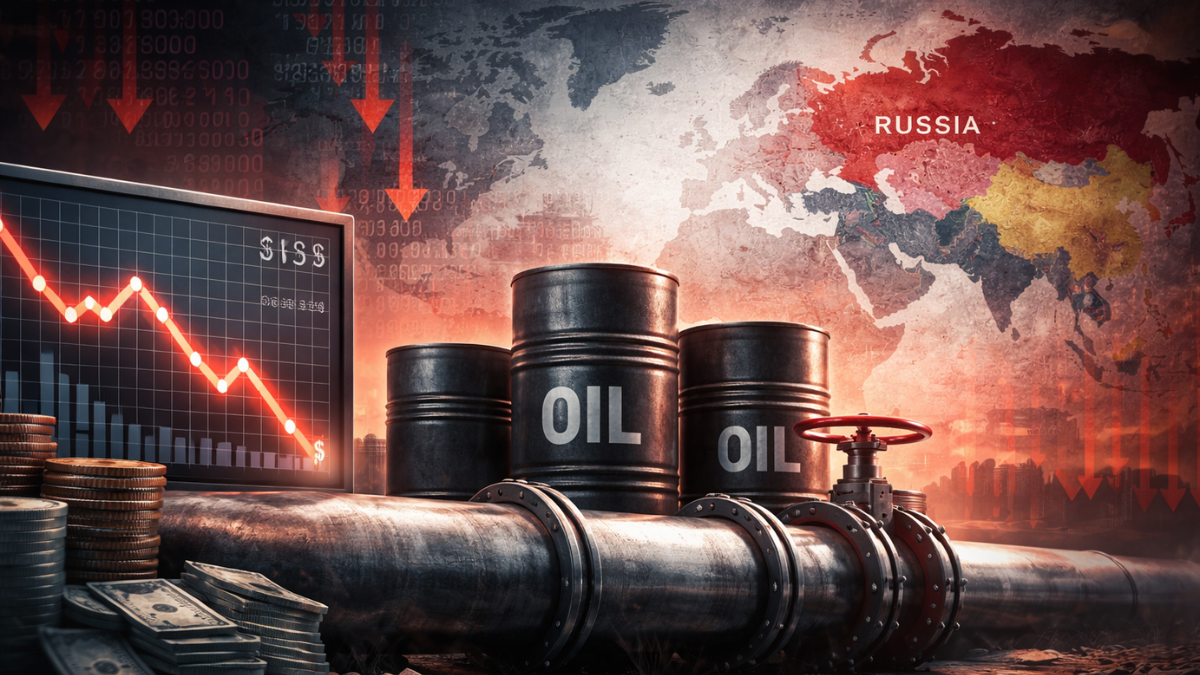


The debate over Russia sanctions has intensified as the war between Russia and Ukraine continues without a clear end. Economic sanctions were introduced by the United States and its allies after Russia launched its invasion of Ukraine. These restrictions were designed to weaken Russia’s economy and limit its ability to finance military operations. By targeting key sectors such as banking, international trade, and energy exports, the sanctions aim to reduce the financial resources available to Moscow during the conflict.
Oil exports remain one of Russia’s most important sources of income, making them a central focus of international sanctions. Limiting these exports has been one of the main ways Western countries have tried to apply economic pressure. Former United States Ambassador to Ukraine Steven Pifer addressed this issue in an interview, warning that easing sanctions now would be a serious mistake. According to Pifer, lifting restrictions at this stage could provide Russia with additional financial resources while the war is still ongoing.
Pifer pointed out that Russia’s oil revenues have already declined in recent months. Reports indicate that oil income dropped sharply during December and January, putting pressure on the country’s national budget. Lower revenue means fewer funds available for government spending, including military operations. Because of this situation, easing sanctions now could provide Moscow with economic relief just as the restrictions are beginning to affect its finances. According to Pifer, more income from oil exports would allow Russia to direct additional funds toward its war effort in Ukraine. He also noted that Russia’s negotiating position has not changed significantly, with demands still similar to those presented earlier by Russian President Vladimir Putin in the summer of 2024.
Hungary calls on European Union to act on Russian energy sanctions as domestic fuel costs rise
Rising Oil Prices and Global Conflicts May Benefit Russia
The interview also examined how global tensions could influence Russia’s economic position. Rising tensions in the Middle East, particularly involving Iran, have pushed oil prices higher in international markets. Higher prices usually benefit major oil exporters, and Russia is among the world’s largest producers. This means that even without policy changes, Russia could already be seeing improved energy revenues because of global market conditions.
Pifer warned that easing sanctions while oil prices are rising could create a powerful financial advantage for Moscow. Increased revenue from energy exports would strengthen Russia’s economy at a time when sanctions are meant to limit its resources. Another factor discussed was the diversion of military attention and resources. International conflicts often require countries to move defense systems to different regions depending on emerging threats. Tensions involving Iran could shift some focus away from Ukraine.
Air defense systems and interceptors are particularly important for Ukraine’s defense against missile and drone attacks. If these systems are sent elsewhere, Ukraine could face greater difficulty protecting its cities and infrastructure. According to Pifer, Russia may view this situation as beneficial, since higher oil revenues and reduced international focus on Ukraine could improve its strategic position. However, he also noted that the conflict involving Iran exposes a weakness for Russia. In earlier conflicts, Russia has supported certain allies, including Syria under Bashar al-Assad, yet Moscow ultimately failed to prevent the collapse of Assad’s government despite years of backing.
Germany secures open-ended U.S. sanctions exemption for Rosneft-linked refineries
Negotiations Show Limited Movement Toward Peace
Pifer also discussed the current state of negotiations aimed at ending the war in Ukraine. Talks have taken place at different points during the conflict, but progress has remained limited. According to him, Ukrainian negotiators have shown some willingness to consider difficult compromises. One possibility being discussed is that some Ukrainian territories currently under Russian control could remain that way for a period of time. Such a decision would be extremely painful for many Ukrainians, but negotiators have suggested it could be considered if strong and credible security guarantees were provided.
Despite these signs of flexibility from Ukraine, Pifer said Russia’s position has shown little change. The demands coming from Moscow remain largely the same as those previously outlined by President Vladimir Putin. The interview also addressed suggestions that Russia could help reduce tensions between the United States and Iran. Pifer rejected this idea, explaining that Washington and Tehran already communicate through established diplomatic channels in Oman, making Russian involvement unnecessary.
He also mentioned reports suggesting that Russia may be providing intelligence to Iran that could help target American forces. If those reports are accurate, Pifer said such actions would clearly not be helpful. He added that raising this issue directly in discussions between Donald Trump and Vladimir Putin could be complicated, since Moscow might respond by pointing to American intelligence support for Ukraine.