

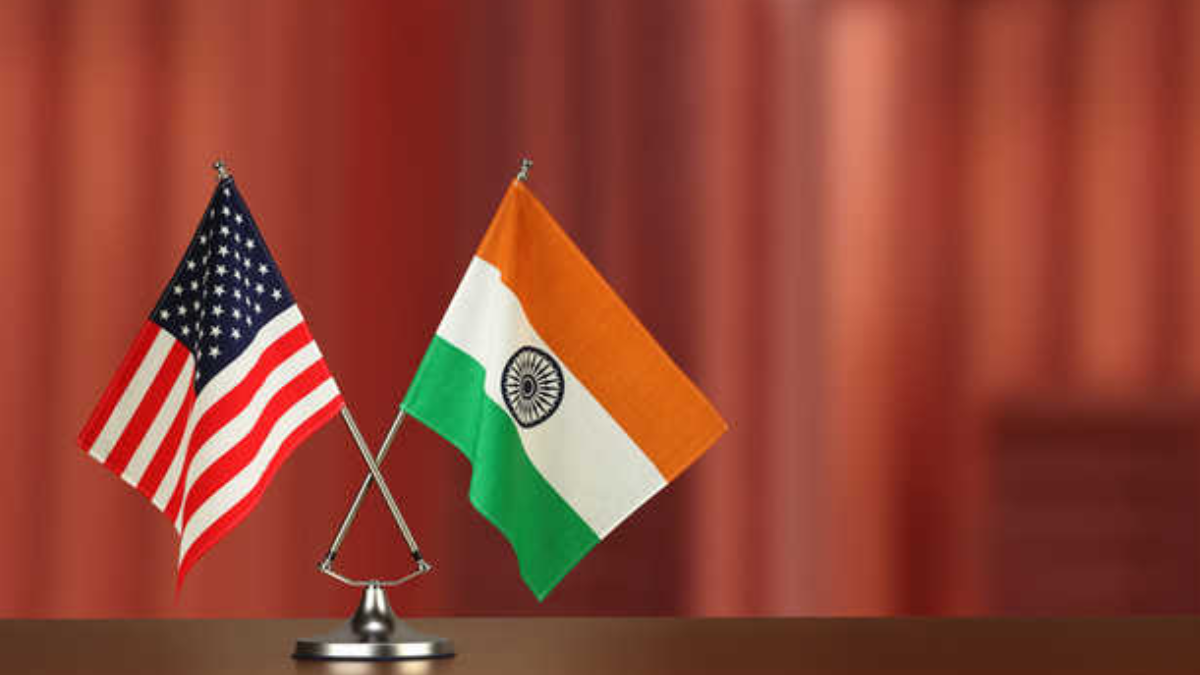


India and the United States have renewed their call for tougher global action against Pakistan-based terror groups. Both countries have urged the United Nations to impose strict and expanded sanctions on Lashkar-e-Taiba (LeT), Jaish-e-Mohammad (JeM), their proxy groups, and their backers. This demand comes amid growing fears over rising cross-border threats and the misuse of new technologies by terror organisations.
The discussions took place in New Delhi during the Joint Working Group (JWG) on Counter Terrorism and the “designations dialogue” held on December 3. These meetings were led by Vinod Bahade, Joint Secretary for Counter Terrorism in India’s Ministry of External Affairs, and Monica Jacobsen, Senior Bureau Official in the US Bureau of Counterterrorism. Both sides reviewed recent terror incidents and underlined the need for stronger and united global action.
Rising Concerns Over Cross-Border Threats
India and the US expressed serious concern over the increasing use of cross-border terrorism. They strongly condemned the terrorist attack in Pahalgam and the recent terror incident near the Red Fort. According to the discussions, those responsible for such acts must be held accountable without delay.
A major issue highlighted during the meeting was the growing misuse of unmanned aerial vehicles (UAVs), drones, and artificial intelligence (AI) by terror groups. These technologies make it easier for such groups to plan and carry out attacks. The two sides agreed that this rising threat requires close monitoring and stronger international cooperation.
India also thanked the United States for designating The Resistance Front (TRF)—a proxy of LeT—as both a Foreign Terrorist Organisation (FTO) and a Specially Designated Global Terrorist (SDGT). TRF had claimed responsibility for the Pahalgam terror attack. The designation places strict global restrictions on the group and limits its ability to raise funds or expand operations.
The meetings covered a broad range of threats, including terrorist recruitment, the abuse of technology, and the financing of terrorism. Both sides discussed the need to act together to stop these growing challenges.
Demand for Stronger UN Sanctions
A key part of the meeting was the joint call for expanded United Nations sanctions under the UN 1267 regime. India and the US urged the UN to impose additional designations on LeT, JeM, ISIS, al-Qaida affiliates, and their proxy groups. They also pushed for action against supporters, sponsors, financiers, and backers of these organisations.
The requested measures include a global asset freeze, a travel ban, and an arms embargo. These steps would make it harder for the listed groups and individuals to operate or receive funds. Both sides stressed that a tougher global approach is needed to stop such organisations from finding safe havens or forming new networks.
India and the US also renewed their commitment to strengthen cooperation in multilateral platforms such as the United Nations, the Quad, and the Financial Action Task Force (FATF). They said joint efforts at these levels help improve international pressure against terror networks.
Strengthening India-US Cooperation
The discussions also focused on expanding bilateral cooperation. Both sides spoke about improving training programs, cybersecurity efforts, information sharing, and law enforcement coordination. They also discussed better ways to handle legal matters, including mutual legal assistance requests.
The joint statement highlighted the importance of the India-US Comprehensive Global Strategic Partnership. It said that both countries remain committed to working together to address traditional and emerging threats. The talks, led by Vinod Bahade and Monica Jacobsen, showed that cooperation between India and the US continues to grow stronger, especially in the fight against terrorism.