

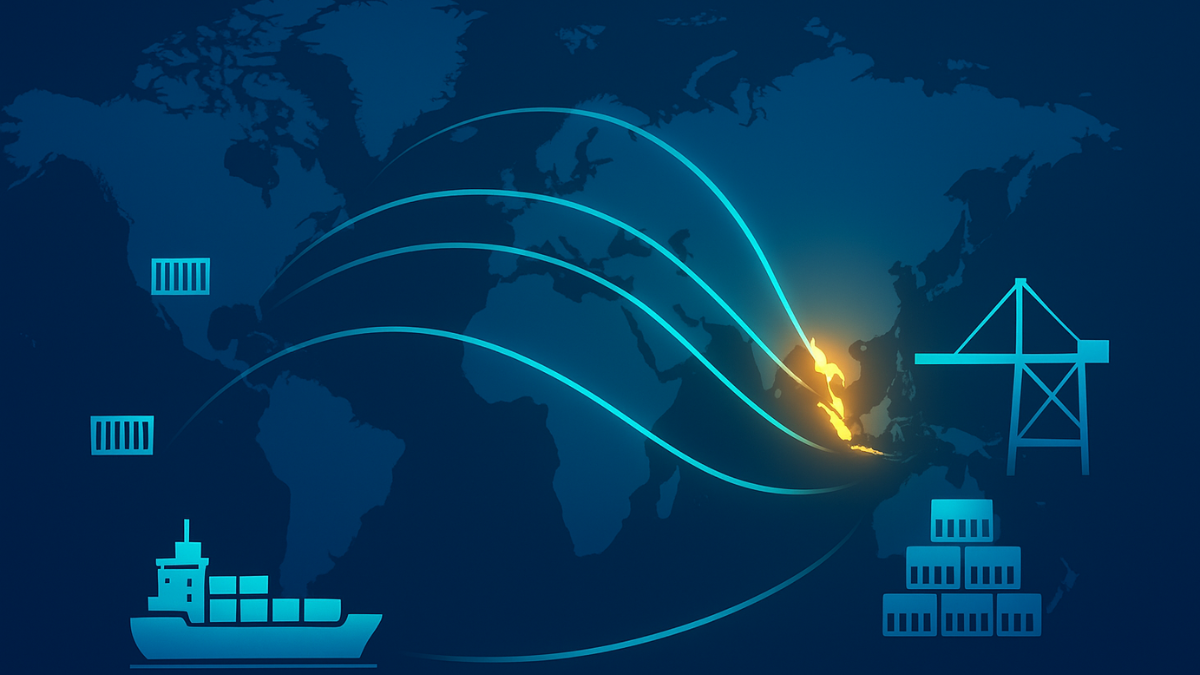


Vietnam is rising quickly as a major force in world trade, and the latest numbers from the Port of Savannah show how fast this change is happening. In November, the port announced that Vietnam had become its fastest-growing trade partner, a development that surprised many observers who follow global shipping trends. The port reported that container volumes from Vietnam had surged by 38% over the past five years, a sharp and steady climb that stands out even in a busy global trade environment.
This increase represents more than just extra cargo moving through a single American port. It reflects a shift happening across supply chains worldwide. As companies face new pressures, especially from tariffs placed on goods coming from certain regions, many have started moving production to Vietnam. This shift has helped the country become one of the most important new manufacturing and export hubs in the world.
The rise is also tied to the way companies try to avoid heavy tariff costs. When products made in one country become too expensive to sell because of tariffs, businesses search for places where they can make those same products without the extra charges. Vietnam has become a top choice, and the results are now visible in ports like Savannah that handle large amounts of global cargo.
Tariff Arbitrage Behind the Growing Shift
The term tariff arbitrage explains much of Vietnam’s rapid rise. It refers to the movement of production from countries with higher tariffs to countries with lower or no tariffs. Over recent years, goods from China have faced a range of tariffs when entering major markets. This made many companies rethink where their products should be made.
Vietnam offered a clear alternative. It already had strong manufacturing activity in goods such as clothing, footwear, furniture, and simple electronics. As tariffs increased elsewhere, businesses moved more of their production there to keep prices lower and avoid extra costs. This strategy quickly expanded its role in the supply chain.
The country also benefited from improvements in its ports, roads, and shipping systems. Better infrastructure made it easier to transport goods, helping Vietnam handle larger volumes without slowing down. Because of these improvements, Vietnam could support the higher demand from global companies looking for reliable and cost-effective production locations.
The combination of manufacturing capability, lower labor costs, and the desire to reduce tariff impacts led to a major jump in the number of goods leaving Vietnam for destinations like the United States. This explains why Savannah’s container traffic from Vietnam has increased so strongly. The growth is tied closely to how companies respond to changing trade rules and costs rather than short-term trends.
A Geographic Shift Felt Around the World
The surge in Vietnamese exports is changing the geography of global supply chains. Traditionally, a large share of goods flowing into major markets came from China. Now, more of those goods are being produced in Vietnam, leading to new shipping patterns and trade routes. Ports that once saw China as their top source of cargo are now reporting sharp increases from Vietnam instead.
This shift does not replace China’s position in global trade but shows how companies are spreading their production across more countries. For many products, final assembly now happens in Vietnam even when some materials or components originate elsewhere. This allows companies to manage costs more efficiently while still meeting the demands of global consumers.
The Port of Savannah’s announcement highlights how quickly this realignment is taking place. The growth of Vietnamese shipments is a clear sign that the global supply chain map is being redrawn, driven largely by tariff pressures and the search for cost-effective manufacturing locations.