

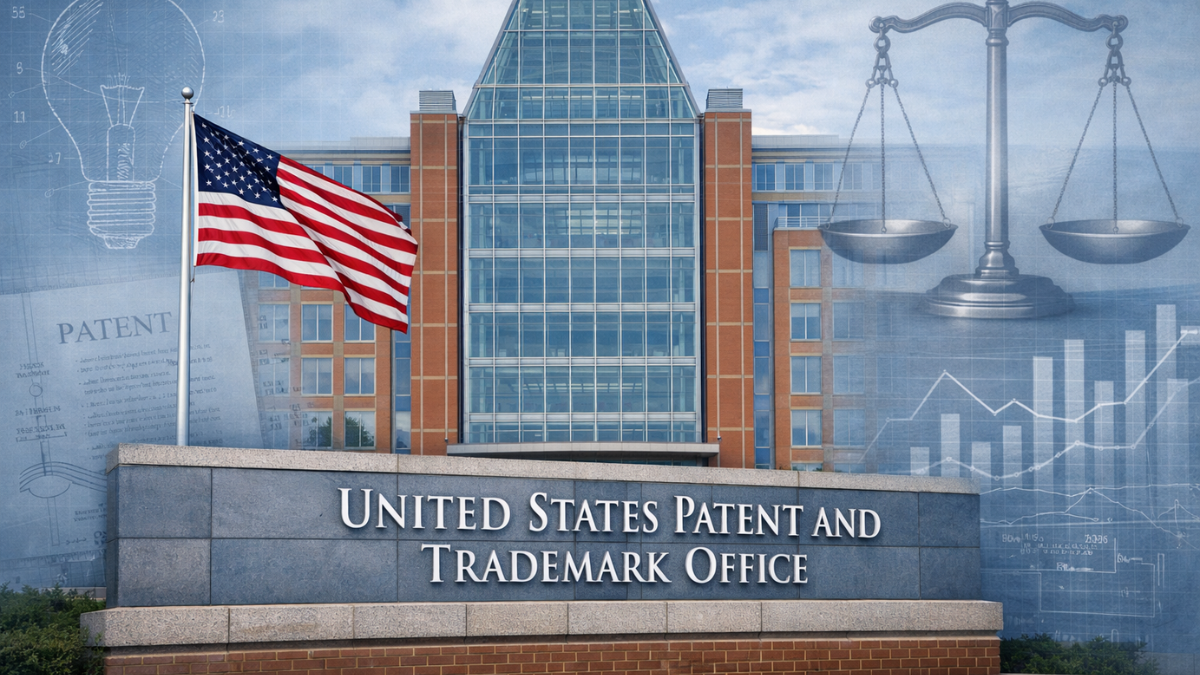


A patent examiner at the United States Patent and Trademark Office (USPTO) has agreed to pay $500,000 to resolve serious conflict-of-interest allegations. The employee, Daxin Wu, reached the settlement following claims that she violated federal ethics laws during her employment at the agency. The resolution addresses allegations that she participated in official matters that affected her own financial interests while serving as a federal employee.
The case centers on claims that Wu worked on patent applications connected to companies in which she held significant stock investments. Federal officials stated that the payment resolves civil allegations. There has been no determination of liability, and the claims settled remain allegations.
What the Conflict-of-Interest Allegations Involve
The Ethics Reform Act of 1989 prohibits executive branch employees from participating personally and substantially in government matters that may affect their own financial interests. These rules are designed to ensure fairness, prevent bias, and protect public trust in federal agencies. Government employees are required to remain impartial when carrying out their official duties.
Midsize US firms pay three times more in tariffs as trade gap climbs to $1.24T
According to the allegations, between January 2019 and May 2022, Daxin Wu worked personally and substantially on at least nine patent applications submitted by companies in which she owned stock. In one instance, she allegedly worked on applications for a company in which she held more than $300,000 worth of stock. In another case, she allegedly owned more than $140,000 in stock while reviewing patent filings connected to that company.
The settlement also resolves allegations that Wu reviewed patent applications submitted by companies that were commercial competitors of a company in which she owned more than $900,000 worth of stock. Federal officials allege that participating in these matters violated conflict-of-interest prohibitions that apply to federal employees.
A conflict of interest occurs when an individual’s private financial interests could potentially influence their official decisions. Federal ethics laws aim to prevent such situations to ensure that government actions remain fair and unbiased.
Settlement Agreement and Civil Penalty
The $500,000 payment is a civil penalty that resolves the allegations without a court trial. The agreement allows the matter to be settled without further litigation. It does not represent a court finding that the law was violated. The claims resolved by the settlement are allegations only, and there has been no formal determination of liability.
The investigation and resolution involved coordination between the Justice Department’s Civil Division, Commercial Litigation Branch, Fraud Section, and the Department of Commerce Office of Inspector General. The matter was handled by Trial Attorney Joshua Barron of the Civil Division.
Europe moves to cut reliance on Visa and Mastercard amid payment security risks
Special Agent in Charge Laura Barsczewski of the Department of Commerce Office of Inspector General stated that the office works to investigate alleged conflicts of interest at the USPTO and throughout the Department of Commerce and to hold offenders accountable. She also stated that the office will continue to work closely with the Department of Justice in pursuing such matters.
Role of the USPTO and Federal Oversight
The United States Patent and Trademark Office is responsible for reviewing patent applications and granting patents for inventions that meet legal requirements. Patent examiners evaluate applications to determine whether inventions qualify for protection under federal law. Because patent decisions can impact companies, markets, and innovation, examiners are required to follow strict ethical guidelines.
The Ethics Reform Act of 1989 clearly states that federal employees may not take part in particular matters that will affect their own financial interests. This includes situations where employees hold stock or other financial investments in companies connected to the matters they review. The rules are intended to prevent personal financial interests from influencing official government actions.
In this case, federal investigators examined financial disclosures and work assignments covering the period from January 2019 through May 2022. The civil settlement resolves the allegations related to that time frame. There has been no determination of liability, and the matter has been concluded through the agreed-upon civil penalty.