

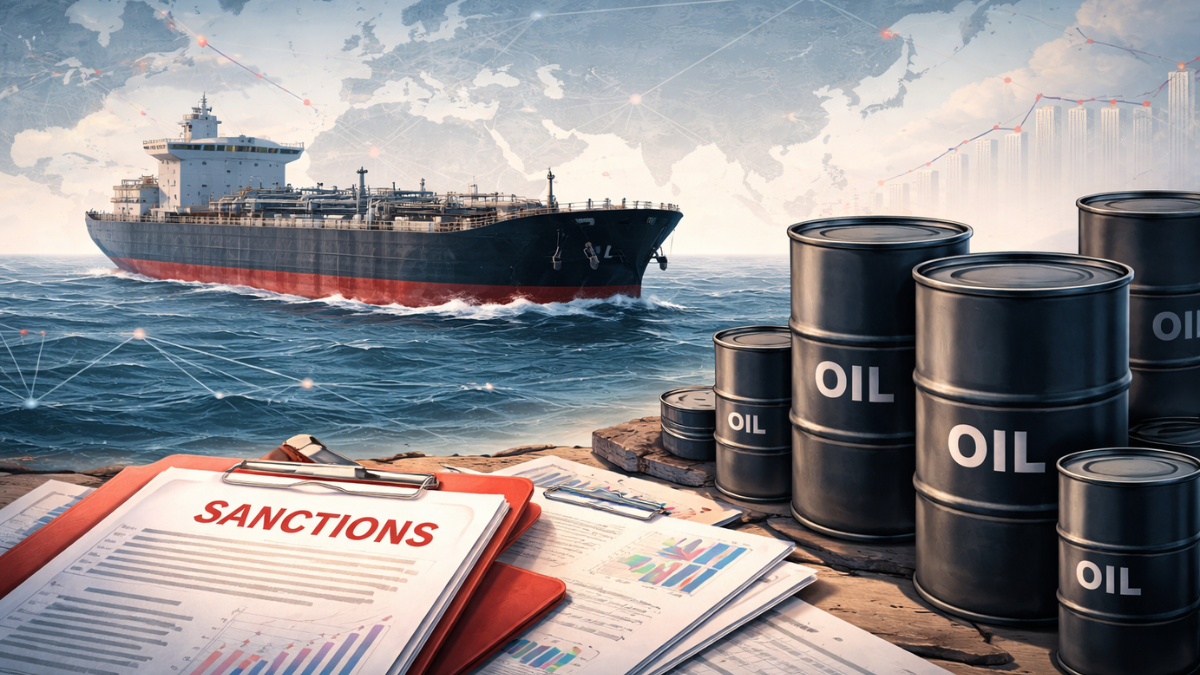


The United States told its Group of Seven partners that any easing of sanctions on Russian oil would be temporary and limited. The message was shared during a call between G-7 finance ministers as global energy markets face pressure from rising oil and gas prices linked to the war in Iran.
The discussion happened shortly after the United States granted India a waiver allowing it to buy Russian oil that was already at sea. The move created concern among some European officials who feared it could signal a wider relaxation of restrictions on Russia.
During the call, the United States stressed that the India decision was tightly controlled. Officials said the waiver was limited in both time and scope and would not significantly increase Russia’s oil income.
European Union Economy Commissioner Valdis Dombrovskis said the United States emphasized that the decision regarding India was “very much contained both in terms of time and scope of the measures.” He also said officials did not expect the move to have a substantial impact on Russia’s oil revenues.
The discussion took place as global energy prices have been rising in recent weeks. Oil prices are approaching levels not seen since Russia launched its full-scale war in Ukraine. The increase has raised concerns about higher energy costs and supply disruptions across global markets.
Higher oil and gas prices can affect economies worldwide. They often increase transportation costs, raise household energy bills, and add pressure on inflation.
US issues 30-day waiver for Russian oil purchases by India amid regional tensions
Temporary Waiver for Indian Purchase of Russian Oil
The United States recently allowed India to buy specific shipments of Russian oil that were already moving through international waters. Officials described the decision as a targeted and temporary step aimed at addressing immediate market conditions.
The waiver only applies to Russian oil cargoes that were already at sea. It does not represent a broader approval for expanding purchases of Russian energy.
India has become one of the largest buyers of Russian crude since the start of the war in Ukraine. Much of this oil has been sold at discounted prices because sanctions and restrictions have reduced the number of available buyers.
European officials reacted cautiously to the waiver decision. Some were concerned that even a temporary easing of restrictions could allow Russia to earn additional revenue from oil exports. Oil income remains one of the key financial sources for Russia’s economy.
Because of these concerns, European governments sought clarification from the United States about the purpose and impact of the waiver.
Valdis Dombrovskis said the United States assured partners that the measure would not significantly affect Russia’s oil revenues. He added that officials did not expect a substantial impact on Russian income from oil sales.
Hungary calls on European Union to act on Russian energy sanctions as domestic fuel costs rise
G-7 Discussions Focus on Maintaining Pressure on Russia
The call among G-7 finance ministers highlighted ongoing coordination between major economies on sanctions against Russia. The group has been working together to maintain economic pressure while managing the wider effects of global conflicts and energy disruptions.
Earlier this year, Russia’s oil revenues fell sharply. Lower global oil prices and sanctions forced Russian crude to be sold at steep discounts compared with international benchmarks.
Restrictions also created challenges for Russia in shipping and selling its oil. Financial limits and related penalties made it harder for Russian crude to reach global markets.
However, the recent rise in oil prices has created a new situation. Higher prices mean Russia could potentially increase its earnings from energy exports even if restrictions remain in place.
European officials have warned that easing pressure now could allow Russia to benefit from elevated oil and gas prices. Valdis Dombrovskis said it is important not to ease the pressure on Russia or help it fill its war chest during this period of rising energy prices.
At the same time, US Treasury Secretary Scott Bessent had earlier indicated that more sanctions could potentially be lifted. That comment added to European concerns about the possibility of changes to the sanctions policy.
During the call, the United States said it remains broadly aligned with Europe’s goal of maintaining economic pressure on Russia. Officials stressed that the waiver granted to India was a limited and temporary measure linked to current market conditions.