
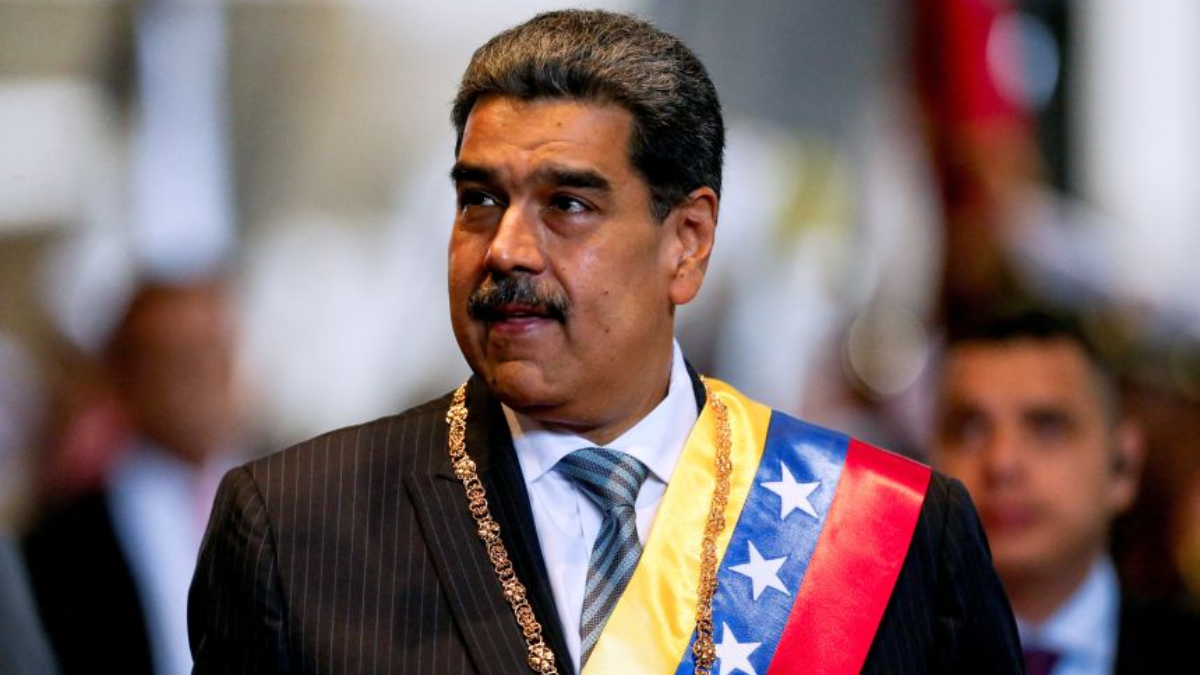


The United States has announced a new set of sanctions aimed at increasing pressure on the government of Venezuelan President Nicolás Maduro. These sanctions focus on three nephews of Maduro, several businessmen, and a group of shipping companies that the US says are helping move Venezuelan oil through hidden or deceptive methods.
According to US officials, two of the nephews had previously been convicted on drug trafficking charges in the United States. They were later released in a prisoner swap, but Washington says they still play roles in activities that support Maduro’s leadership. The new sanctions freeze any assets they may have under US control and block any business involving them.
Along with the family members, the US also sanctioned a Panamanian businessman who, according to the US Treasury, plays a major part in transporting Venezuelan oil. The Treasury explained that the individuals and companies involved use tactics designed to hide where the oil comes from, making it difficult for authorities to track and enforce sanctions already in place.
US officials say these steps form part of a wider effort to cut off financial streams that support the Venezuelan government. By targeting oil-related networks, Washington aims to reduce the money flow from crude oil exports, which remain a crucial resource for the country.
CNN has reached out to the Venezuelan government for comment, but no response has been reported yet.
US issues sanctions over Colombian-linked group involved in Sudan conflict
Shipping Companies and Vessels Accused of Deceptive Practices
A major part of the new sanctions focuses on the shipping companies that help move Venezuela’s oil. The US Treasury has sanctioned six companies it says were involved in transporting Venezuelan crude using deceptive methods.
According to Treasury officials, these companies allegedly turned off ship tracking systems, changed ship identities, or used misleading documents when transporting oil. The US says these tactics are designed to hide the true origin of the shipments and help companies avoid penalties.
In addition to the companies, the Treasury identified six vessels believed to be part of these operations. The agency said the ships were involved in “deceptive and unsafe shipping practices,” which can cause problems not just for sanctions enforcement but also for maritime safety. By publicly identifying these vessels, the US aims to prevent them from operating freely and to alert port authorities in different countries.
These actions come after months of growing attention on global shipping routes linked to Venezuela. According to US statements, networks involved in moving Venezuelan oil often use complicated systems that appear legal on the surface while actually supporting restricted trade. The new sanctions are intended to disrupt these systems and limit Venezuela’s ability to sell oil through unofficial channels.
The new sanctions were announced one day after the United States seized an oil tanker off the coast of Venezuela. According to Attorney General Pam Bondi, the tanker had been sanctioned by the US for several years. Officials say the ship was part of an illegal oil shipping network that supported foreign groups labeled by the US as terrorist organizations. They say the network involved activities connected to both Venezuela and Iran.
The seizure led to a strong reaction from Venezuela’s government. President Nicolás Maduro accused the United States of carrying out what he called “a new era of criminal naval piracy in the Caribbean.” He said the action was a violation of international norms and an attack on the country’s rights.
The Venezuelan government also filed a formal complaint with the International Maritime Organization, arguing that the US seizure of the tanker broke international maritime laws. The complaint states that the seizure threatens safe navigation and harms the country’s ability to operate its ships.
This latest dispute adds to the long-lasting tension between the two countries. The United States has placed many sanctions on Venezuela over the past several years, mostly focused on oil-related activities and individuals close to Maduro. Venezuela, in turn, has repeatedly described these actions as efforts to undermine its sovereignty.
With the new sanctions, the focus on shipping companies, and the recent tanker seizure, the conflict between the US and Venezuela continues to intensify, with both sides standing firm in their positions.