

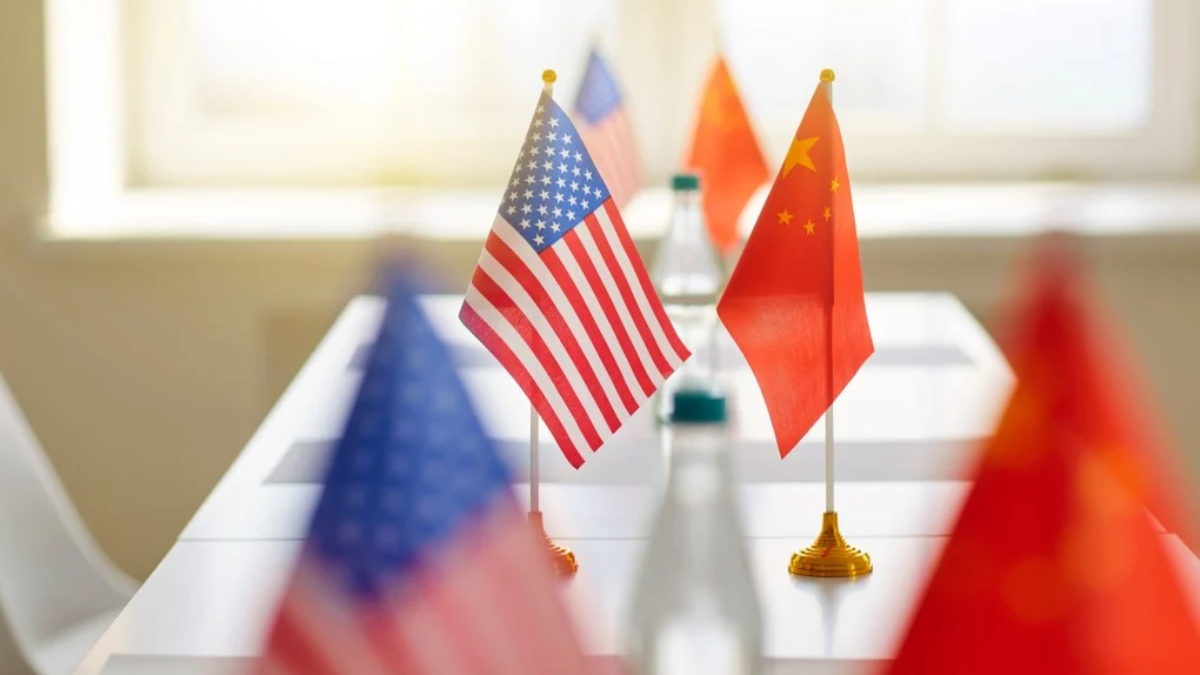


The United States has halted its plan to impose sanctions on China’s Ministry of State Security, the country’s main spy agency. This move comes despite the agency being linked to a major cyber-espionage operation known as Salt Typhoon. According to current and former US officials, the sanctions were “put on hold” to avoid harming the delicate trade truce between the two nations.
Salt Typhoon is a hacking campaign that targeted US telecom networks. It reportedly broke into systems used to carry unencrypted communications of top American officials. This raised serious concerns inside the US government, as the breach gave China access to sensitive information. Even with these risks, the plan to punish China’s spy agency was stopped to maintain stability in trade relations.
The Trump administration was originally preparing to sanction both the Ministry of State Security and the private contractors China allegedly uses for cyberattacks. However, officials say Washington is stepping back from these actions because of ongoing trade talks and the need to protect recent agreements.
Trade Stability Takes Priority as Trump Plans Visit to Beijing
Sources revealed that the US also wants to avoid disrupting Donald Trump’s planned visit to Beijing in April. Officials believe any harsh action taken now could damage preparations for the visit and harm progress made between the two countries.
Several people told that the goal of the administration’s current China strategy is to keep relations stable. They said that US policymakers want to stay cautious until the country reduces its dependence on China for rare earth minerals. These minerals are essential for electronics, batteries, and defense systems. China’s dominance in this sector has made it hard for the US to take more aggressive steps.
The decision not to impose sanctions has caused frustration among China hawks within the government. These officials worry that holding back may weaken the US response to cyber threats. Zack Cooper, a security expert, said the administration appears to be easing export controls to secure President Trump’s upcoming trip and to gain more time to shift away from relying on China for critical minerals.
Another issue that caused tension was a recent high-level meeting about whether to allow Nvidia to export its H200 chip to China. In October, Donald Trump said he might allow Nvidia to sell an even more advanced chip, the Blackwell, to China. His advisers convinced him not to go through with that idea. Still, the discussion about export licenses surprised officials who wanted a tougher stance on technology exports.
Internal Coordination Efforts Highlight Different Views in Washington
To manage the sensitive situation, the Trump administration has strengthened its internal coordination on China policy. Stephen Miller, the Deputy White House Chief of Staff, has been tasked with ensuring that no government department takes actions that could disturb the ongoing détente.
This new responsibility was assigned after US Treasury Secretary Scott Bessent said he had been blindsided by a White House memo that raised concerns about Alibaba, a major Chinese tech company. The incident revealed differences inside the government about how closely to watch Chinese companies and how firmly the US should act.
Overall, the US decision to halt sanctions on China’s spy agency, paired with debates over chip exports and trade talks, shows how carefully Washington is trying to navigate the current relationship with Beijing. For now, trade stability and diplomatic planning have taken priority over immediate punishment for the Salt Typhoon cyber-espionage campaign.