

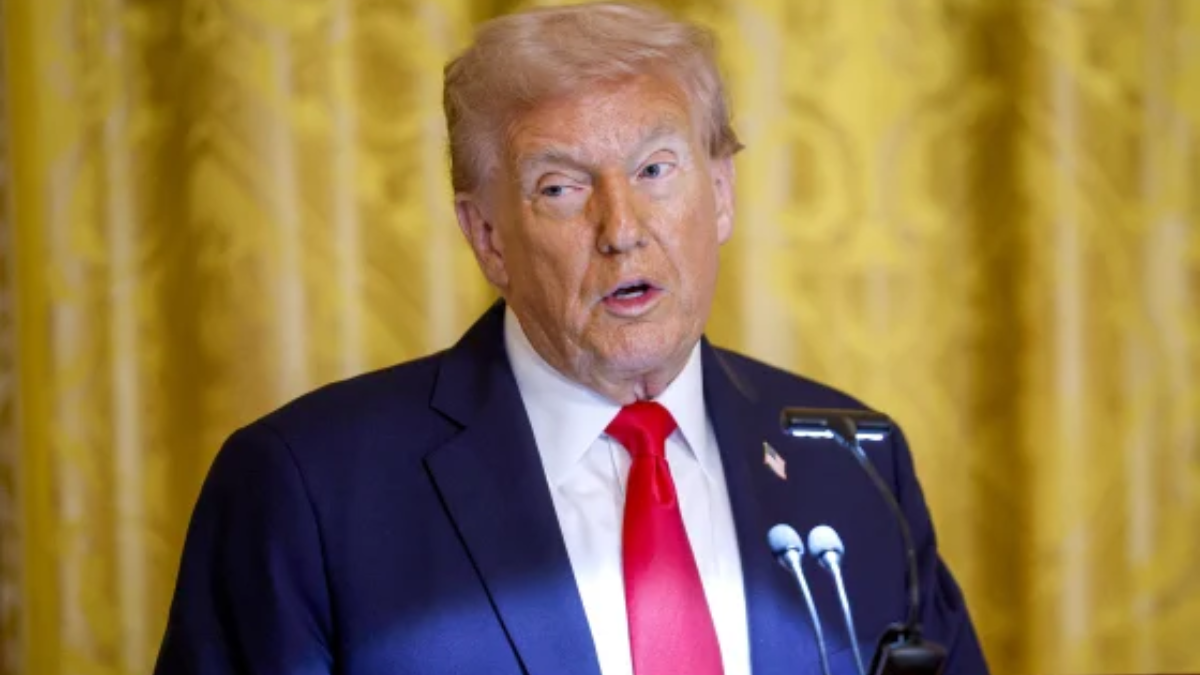


A major decision on tariffs is approaching in the United States, and President Donald Trump has warned that he has “other methods” ready if the Supreme Court blocks his current approach. The ruling, expected in the coming weeks, will determine whether he broke federal law by using emergency powers to launch a series of wide-reaching tariffs during his second term.
Since returning to office in January, Donald Trump has repeatedly imposed and reinstated tariffs on several trading partners. These tariffs have raised the cost of many goods, including appliances, lumber, and electrical parts. A large group of businesses and trade organizations challenged this policy, saying the President misused the International Emergency Economic Powers Act by treating it as a general tool for creating tariffs.
The challenge made its way to the Supreme Court, which must now decide whether the emergency law was used correctly. In a post on his social media platform, Donald Trump argued that the United States has other ways to set tariffs. He said the current method before the court is faster and more direct, but not the only option available. He also pointed to his presidential authority, saying he has strong powers in national security and foreign policy.
Scott Bessent Works on a Backup Strategy
As the country waits for the ruling, Treasury Secretary Scott Bessent has been preparing a “plan B” in case the Supreme Court limits or strikes down the existing tariffs. His goal is to keep pressure on foreign imports even if the original tariff plan is weakened.
Scott Bessent explained that the administration could recreate the same tariff structure using different legal tools. These include Section 301, Section 232, and Section 122, which all allow the government to act in special trade situations.
- Section 301 deals with unfair foreign trade practices.
- Section 232 allows tariffs on imports that could harm national security.
- Section 122 gives the President authority to impose short-term tariffs or quotas during balance-of-payments problems.
These laws do not depend on emergency powers and can be used separately or together. According to Scott Bessent, this backup strategy would allow the administration to keep its tariff system largely intact.
He also warned that if the Supreme Court overturns the current tariffs, the government could face a major financial challenge. Companies that already paid the tariffs might have to receive refunds. This could mean returning large sums of money that the government has already counted as revenue. Handling these refunds could create a heavy administrative and fiscal burden for the Treasury.
How the Dispute Reached the Supreme Court
The fight over tariffs began when Donald Trump reinstated and expanded them shortly after taking office. Businesses argued that using emergency powers for tariffs went beyond the law’s intent. They said the emergency powers law should not act as a broad tool for trade actions. Their challenge led to a legal battle that eventually reached the Supreme Court.
Throughout the dispute, Donald Trump has defended his decisions. He said the tariffs are needed to protect the country and prevent foreign nations from taking advantage of the United States. He also repeated his claims of strong authority in national security matters.
Now, with the Supreme Court expected to rule soon, the future of the tariff system remains uncertain. What is clear is that Donald Trump and Scott Bessent have prepared more than one path to maintain tariffs, regardless of the outcome of the case.