

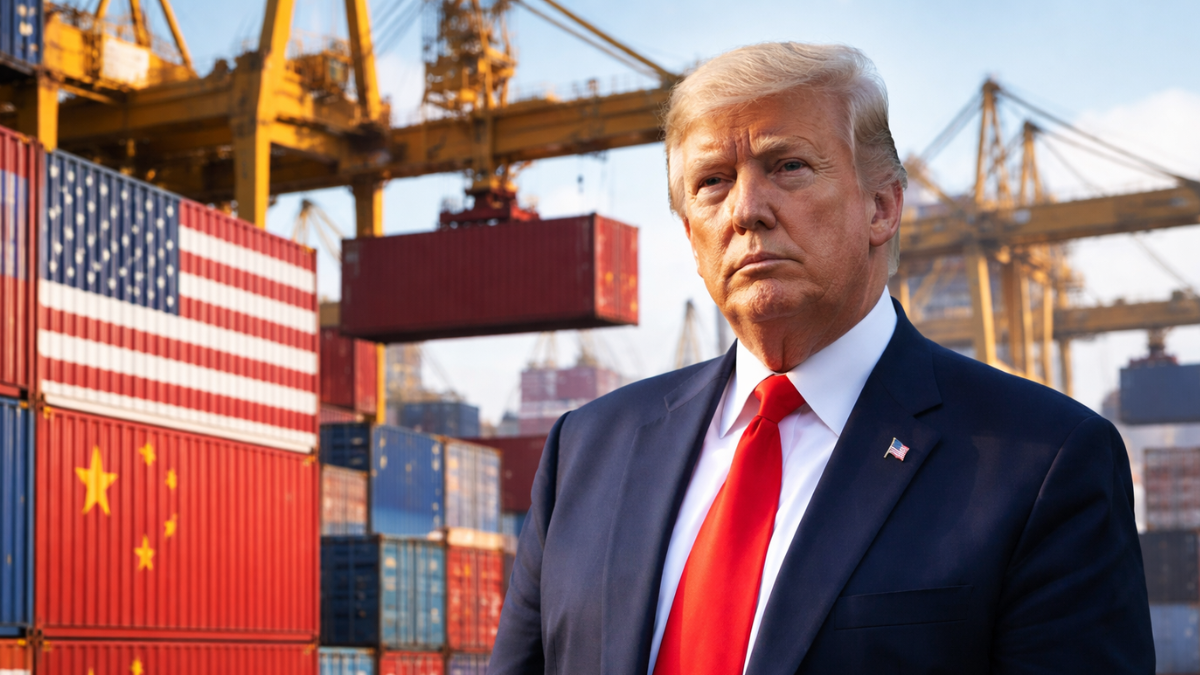


The United States has increased its global import tariff to 15 percent, marking a significant escalation in an ongoing trade policy dispute. The decision came only days after the Supreme Court ruled that earlier sweeping tariffs introduced by President Donald Trump were unconstitutional. The move has created uncertainty for businesses, international partners, and governments trying to understand how trade rules will now be applied.
At the same time, companies across the country are seeking repayment for an estimated 133 billion dollars collected under the previous tariff system. The sudden policy shift has sparked legal battles, complicated trade agreements, and triggered strong political reactions inside and outside the United States.
Supreme Court Ruling Forces Policy Shift
The Supreme Court delivered a six-to-three decision stating that it was unconstitutional for President Donald Trump to set broad tariffs without approval from Congress. Judges said the authority to impose taxes rests with lawmakers, even when emergency powers are invoked.
Supreme Court strikes down sweeping tariffs, Trump swiftly imposes 10% global import charge
The earlier tariffs had been applied to imports from nearly every country using the International Emergency Economic Powers Act. After the ruling struck down those measures, the administration moved quickly to use a different legal route. A new executive order relied on Section 122 of the Trade Act of 1974, which allows temporary tariffs to address trade imbalances or economic risks.
Initially set at 10 percent, the tariff was raised to 15 percent — the maximum level allowed under that law. However, these tariffs can only remain in place for 150 days unless Congress approves an extension. Because no president has previously relied on this specific provision in such a broad way, experts expect further legal challenges.
The White House said certain items would be exempt from the tariffs, including critical minerals, metals, and energy products considered essential to supply chains.
Refund Lawsuits and Trade Agreement Confusion
Following the court decision, more than a thousand lawsuits have been filed by importers seeking refunds for tariffs paid under the earlier policy. Analysts including John Diamond, director of the Center for Tax and Budget Policy at Rice University, noted that many companies may eventually succeed but the process could be slow and complicated, particularly for smaller firms.
Large companies often have legal teams that can handle lengthy claims, while smaller businesses may struggle with documentation and costs. The refund issue has become one of the biggest financial consequences of the ruling, given the large amount already collected by the US Treasury.
Indonesia avoids 32% tariff as US secures $33 billion trade and investment commitments
The situation has also disrupted international trade agreements negotiated under the previous tariff structure. Some countries agreed to purchase American goods in exchange for lower tariff rates, but the legal change has raised questions about whether those deals still apply.
Trade arrangements involving Taiwan, South Korea, Japan, and the United Kingdom have been closely watched. In some cases, negotiated rates remain higher than the new universal tariff, creating confusion about enforcement. Officials such as Jamieson Greer said countries must continue honoring agreements even if broader tariff levels shift.
Indonesia’s chief negotiator Airlangga Hartarto indicated that his country’s agreement with Washington remains in effect despite the court ruling, showing how governments are trying to maintain stability while policies change.
Global Reaction and Political Debate
International leaders responded with a mix of caution and frustration. German Chancellor Friedrich Merz said Europe would coordinate a common approach before further trade discussions with the United States. In Hong Kong, financial services official Christopher Hiu described the situation as chaotic, highlighting global concern about unpredictable trade rules.
Inside the United States, the tariff increase has intensified political debate. Critics argue that higher import taxes can raise prices for consumers because companies often pass additional costs onto buyers. Supporters say tariffs protect domestic industries and provide leverage in trade negotiations.
Political figures including California Governor Gavin Newsom voiced strong criticism, accusing the administration of ignoring the impact on ordinary households. Meanwhile, lawmakers on the House Ways and Means Committee argued the tariff move could increase living costs.
Supreme Court strikes down sweeping tariffs, Trump swiftly imposes 10% global
import charge
Public opinion has also reflected growing division. Polling data shows declining approval for the administration’s handling of the economy, with tariffs becoming a central issue in that debate.
With lawsuits ongoing, refund claims rising, and trade agreements under review, the decision to raise the global tariff to 15 percent has become a defining moment in the country’s trade policy. The legal battle, financial implications, and international reactions continue to shape how businesses and governments navigate the rapidly changing tariff landscape.