

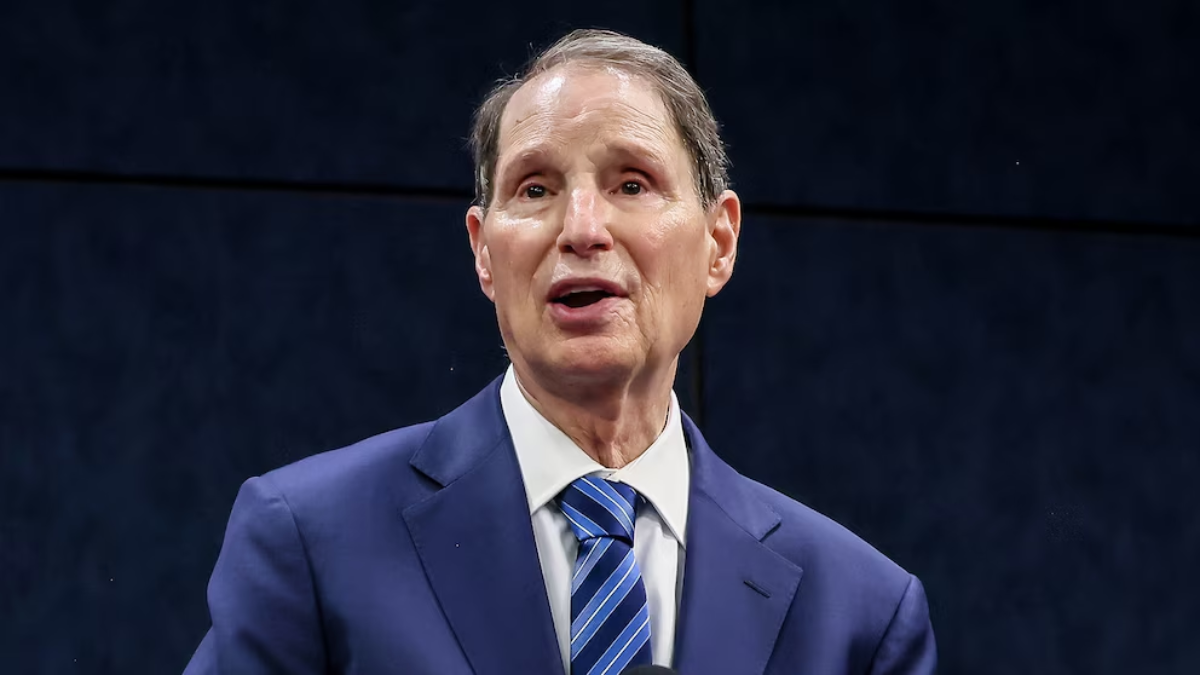


A new report from Senator Ron Wyden, the top Democrat on the Senate Finance Committee, is putting strong pressure on the nation’s largest bank. Senator Wyden is asking for a full investigation into how JPMorgan Chase handled more than $1 billion in suspicious transactions linked to Jeffrey Epstein, the disgraced financier and convicted sex offender.
The report says JPMorgan Chase worked with Epstein for nearly 15 years and failed to properly flag many transactions that later appeared to be tied to serious crimes. Banks must report activity that seems connected to illegal behavior. These reports, called suspicious activity reports, or SARs, are sent to the U.S. Treasury Department. They help law enforcement stop crimes such as money laundering, terrorism financing, and sex trafficking.
In this case, the report says JPMorgan filed SARs for only $4.3 million in questionable Epstein-linked transactions between 2002 and 2016. But after Epstein was arrested in 2019, JPMorgan suddenly filed new reports marking $1.3 billion in earlier transactions as suspicious. This raised major questions about why the bank waited so long and whether the delay slowed down important investigations.
Serious Concerns About Delayed Reporting
Senator Wyden’s report is based on recently unsealed court records that provide new details about JPMorgan’s financial relationship with Jeffrey Epstein. According to internal bank emails revealed in these documents, some employees may have hesitated to file SARs because Epstein brought in valuable business referrals for the bank — even after JPMorgan officially cut ties with him in 2013.
Trump backs bipartisan bill ordering public release of DOJ’s Epstein documents
Senator Wyden described the bank’s actions as “alarming.” The report says the delayed reporting may have made it harder for law enforcement to see the full financial structure that supported Epstein’s cross-border sex trafficking operation.
Because of this, Senator Wyden is urging the Justice Department to open a criminal investigation into JPMorgan Chase. He argues that the evidence suggests the bank may have allowed harmful activity to continue by not reporting suspicious transactions sooner. The report also says Congress should closely examine how such a large amount of suspicious activity went unreported for so many years.
JPMorgan Chase has responded by saying it regrets doing business with Epstein. Patricia Wexler, a spokeswoman for the bank, stated that JPMorgan shared information with law enforcement as soon as details of Epstein’s trafficking case were made public in 2019. She also said the bank did everything it could with the information available at the time.
The bank has already faced financial consequences. In 2023, JPMorgan paid $230 million to settle a class-action lawsuit filed by Epstein’s victims. The lawsuit claimed the bank enabled Epstein’s crimes by allowing his financial activity to continue.
Intense National Attention and New Congressional Action
Jeffrey Epstein has been the subject of intense national attention, and interest in his connections has increased in recent weeks. This includes scrutiny of major institutions and public figures who had ties to him over the years.
This week, Donald Trump, who once associated with Epstein, signed a law directing the Justice Department to release more information about Epstein’s crimes. After signing the law, Trump called for investigations into JPMorgan Chase and several prominent Democrats who had connections to Epstein.
Meanwhile, Congress is also pushing forward. The House Committee on Oversight and Government Reform issued a subpoena to JPMorgan Chase seeking records and documents related to its dealings with Epstein. This subpoena adds new pressure as lawmakers work to understand how the bank handled Epstein’s accounts and why so many suspicious transactions went unreported until after his arrest.
Senator Wyden’s report stresses that the delay in reporting meant investigators did not have access to key financial information while Epstein was still alive. By the time JPMorgan filed the reports marking the $1.3 billion as suspicious, Epstein had already been arrested on sex trafficking charges and later died in custody.
As officials continue examining financial records and internal communications, the calls for accountability remain strong. The situation raises important questions about how banks track their clients’ transactions and what happens when warnings are delayed or ignored.