



A small rare-earth materials start-up in North Carolina has become the center of a national controversy after receiving a $620 million loan from the Pentagon. The company, Vulcan Elements, has about 30 employees but secured the largest loan ever given by the Pentagon’s Office of Strategic Capital. The loan is part of a $1.4 billion funding package meant to strengthen the U.S. supply chain for magnets that are used in drones, submarines, aircraft, missiles, and satellites.
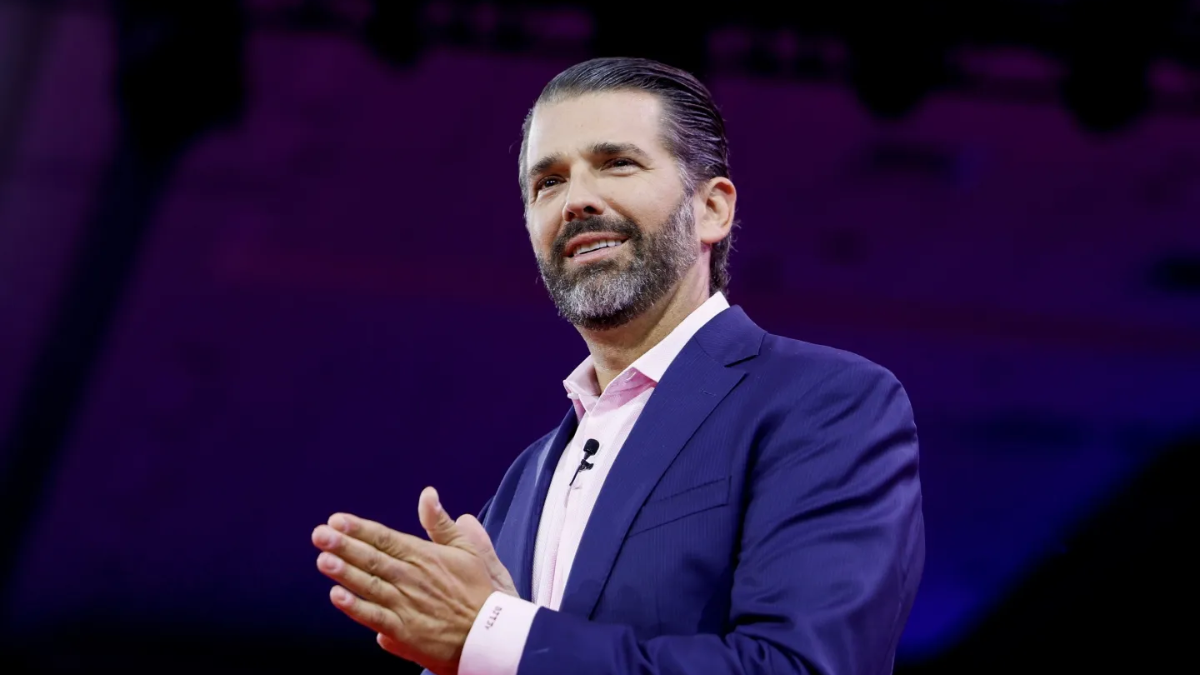
The loan drew major attention because 1789 Capital, an investment firm linked to Donald Trump Jr., invested in Vulcan just three months before the Pentagon approved the deal. This timing caused public concern, as critics argued it may create an appearance of the government helping businesses connected to the family of President Donald Trump.
Political commentator Spencer Hakimian posted online that the deal was a “stunning display of corruption,” tapping into growing fears that private business interests and government decisions may be too closely connected. The post gained wide traction and fueled debate on whether the loan was awarded fairly or influenced by personal ties.
Multiple Contracts Raise Ethical Questions
Reports show that Vulcan is not the only company linked to 1789 Capital receiving large federal support. According to the Financial Times, at least four firms backed by the fund have received more than $735 million in government contracts this year. Some of these companies also benefited from regulatory relief.
1789 Capital was founded in 2023 by conservative donors and now manages over $1 billion in assets. Since President Trump returned to office, the fund has invested in at least 22 companies in sectors directly shaped by government policy, such as crypto, AI, aerospace, and defense technology.
Several of these companies have won significant government deals. Firehawk Aerospace received more than $10 million in Air Force contracts. Cerebras Systems signed a $45 million deal with the Pentagon. In October, drone maker Unusual Machines—where Donald Trump Jr. previously held a multimillion-dollar stake—secured its largest-ever defense contract.
Ethics experts say the pattern raises concerns. Kedric Payne, a legal expert from the Campaign Legal Center, said that presidents must avoid even the appearance of helping their families profit. He noted that while there is no proof the president influenced the loan, this situation fits into a broader trend of conflicts of interest seen during the administration.
Critics argue that even if every contract and loan followed the correct process, the appearance of favoritism is difficult to ignore when firms tied to the president’s son repeatedly benefit from federal money and policy decisions.
Officials Deny Improper Influence as Details Emerge
In response to the controversy, Vulcan CEO John Maslin strongly denied any political involvement. He said the loan was awarded through a merit-based process and emphasized that he had zero contact with Donald Trump Jr. regarding the deal. Maslin described the firm’s stake as small and noted that 1789 Capital has no board seats or observer rights in the company.
A Pentagon spokesperson also said that neither Trump Jr. nor 1789 Capital participated in any part of the loan discussions. A spokesperson for Donald Trump Jr. added that he played no role in government negotiations on behalf of any companies backed by the fund.
The loan agreement also gives the Commerce Department a $50 million equity stake in Vulcan and includes warrants for Vulcan and its partner, ReElement Technologies. A Commerce Department official defended the deal, saying the financial structure provides a potential benefit for taxpayers.
Vulcan expects to grow to around 50 employees by the end of the year as it works to expand the domestic supply chain for rare-earth magnets. Maslin stressed how vital these materials are, explaining that practically every modern military system relies on them.
Even so, watchdog groups say the flow of federal funding to companies tied to the Trump family continues to raise serious ethical concerns.