

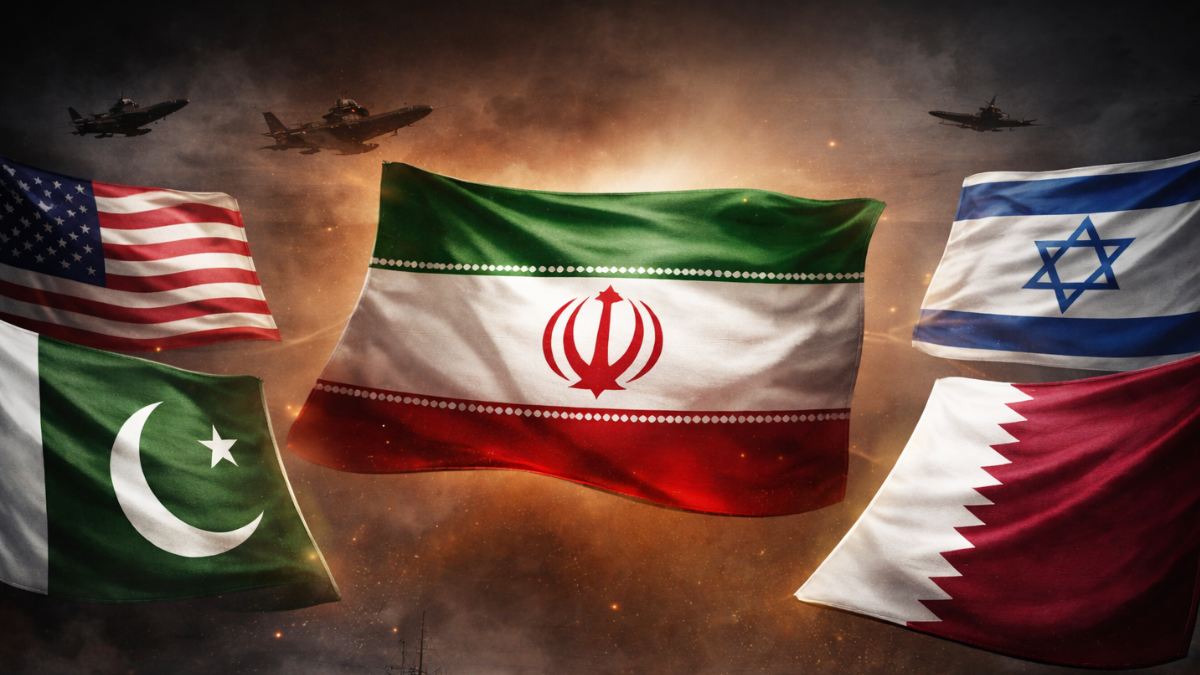


A fresh development in the ongoing West Asia crisis has brought new diplomatic tensions into focus, as Iran has firmly rejected Pakistan’s attempt to act as a peace broker between itself and the United States. This move has affected ongoing efforts aimed at reducing tensions and opening dialogue between the two sides.
Pakistan had been trying to position itself as a mediator and claimed it had been facilitating communication between Iran and the United States. The intention was to create a pathway for talks and help ease the situation. However, these efforts did not succeed, as Iran refused to engage under such arrangements.
Reports indicate that Iran declined to meet any delegation linked to the United States if such discussions were to take place in Pakistan. This decision reflects a clear lack of trust and signals that Iran does not view Pakistan as a neutral platform for negotiations. At the same time, Iran also rejected a list of demands put forward by the United States, describing them as unacceptable. This has pushed the chances of an early resolution further away and added to the existing tensions.
Pakistan’s attempt was seen as a move to strengthen its diplomatic role in the region, but Iran’s refusal has weakened that effort and highlighted the importance of trust in international mediation.
Dell issues travel advisory as Iran IRGC names US firms as targets
Qatar Emerges as a Possible Mediator
Even as Pakistan’s role has been ruled out, there are signs that diplomatic efforts are not entirely stalled. Reports suggest that Iran may be more open to mediation by Qatar, bringing a new dimension to the situation.
Qatar has often played a balancing role in regional conflicts and is known for maintaining communication with different sides. This reputation may be one reason why Iran appears more comfortable with the idea of Qatar acting as a mediator. While no formal talks have begun, this shift suggests that Iran may still be open to dialogue under different conditions.
The development highlights the complexity of the situation, where acceptance of a mediator depends heavily on trust and past relationships. In this case, Qatar appears to hold a stronger position than Pakistan in facilitating potential discussions.
Any mediation effort will depend on whether both sides can agree on the terms and the platform for engagement, keeping the situation delicate and uncertain.
Sanctioned tanker “Ping Shun” diverts Iranian oil from India to China amid payment dispute
Escalating Conflict and Strategic Concerns
Alongside diplomatic developments, tensions on the ground have intensified with reports of serious military incidents involving the United States and Iran. These include claims that a US aircraft was shot down by Iranian forces, along with reports of a missing US airman who ejected over Iranian territory. Another aircraft, identified as an A-10, was also reportedly brought down, adding to the gravity of the situation.
When asked about the missing airman, Donald Trump did not provide clear details regarding possible actions, stating only that it was hoped the situation would not worsen. This response reflected caution without confirming any specific course of action.
At the same time, the IRGC stated that it is continuing its retaliatory operations as part of an ongoing campaign. According to its claims, several Israeli-linked targets were struck in areas such as Western Galilee, Haifa, Kafr Kanna, and Krayot, indicating that the conflict is spreading across multiple locations.
Another major concern is the Strait of Hormuz, a key route for global oil and military supply transport. Iran has indicated that it can sustain disruption in this region for years. A senior official stated that Iran is highly sensitive about the route because it has historically been used to supply US military bases in the region and suggested that such support should no longer continue.
This situation adds another layer of tension to an already complex crisis, with both military and strategic concerns continuing to rise.