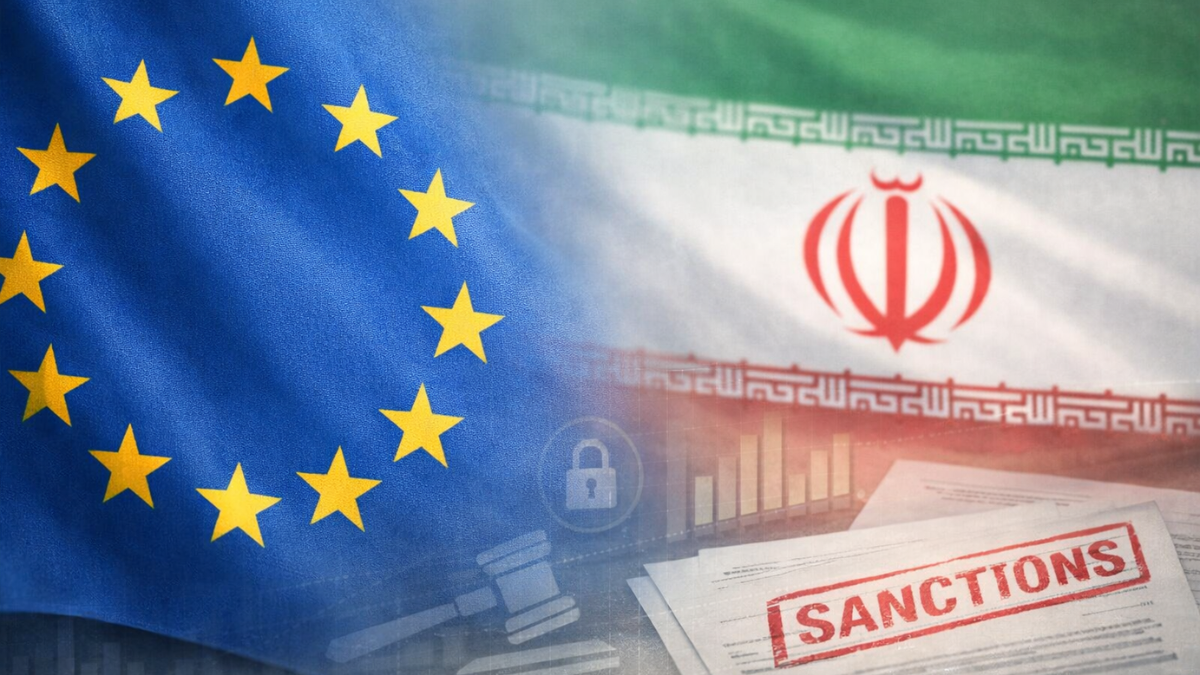


The European Union has officially designated Iran’s Islamic Revolutionary Guard Corps (IRGC) as a terrorist organization. The decision was formalized by the European Council, the EU’s highest decision-making body. This move marks a major step in the bloc’s response to rising tensions with Tehran.
The announcement follows a political agreement reached on January 29 during a meeting of EU foreign ministers. The agreement became possible after France withdrew its longstanding opposition and agreed to support the measure. With that support, the European Council was able to proceed with the formal designation.
The decision was confirmed in an official press release. It adds the IRGC to the European Union’s terrorist list and triggers immediate restrictive measures under the EU’s counter-terrorism sanctions regime.
What the EU Terrorist Designation Means
By placing the IRGC on its terrorist list, the European Union has introduced strict financial and legal restrictions. The sanctions require the freezing of the IRGC’s funds, financial assets, and other economic resources located within EU member states. These measures apply immediately across all countries in the bloc.
Iran open to nuclear deal compromises with sanctions relief on the table
In addition, EU companies and individuals are now prohibited from providing funds or economic resources to the IRGC. This means that any form of financial support or economic cooperation with the organization is banned under European law. The restrictions fall under the EU’s counter-terrorism sanctions framework, which is designed to target entities classified as involved in terrorism.
The IRGC is not only a military force but also a powerful branch of Iran’s armed structure with influence in political and economic sectors. Because of its official status within Iran, the designation carries significant diplomatic weight. Listing such an organization as a terrorist entity represents one of the strongest legal actions the EU can take under its current sanctions regime.
The move also aligns the European Union with countries that have previously designated the IRGC as a terrorist organization. The listing reinforces the EU’s stance that entities engaged in what it defines as terrorist activity should face strict legal and financial consequences.
U.S. targets Iran’s ‘shadow fleet’ with new sanctions as tensions rise during Oman talks
Tensions Rise After Iran’s Crackdown on Protests
The EU designation comes in the wake of Iran’s violent crackdown on nationwide protests that erupted on December 28. The demonstrations spread across the country and were met with force by Iranian authorities. The unrest drew global attention and increased international pressure on Tehran.
Tehran has acknowledged that thousands of protesters were killed during the crackdown. However, rights groups estimate the number could be far higher, possibly reaching tens of thousands. The scale of the violence intensified criticism from European leaders and contributed to growing tensions between Iran and the European Union.
Adani faces U.S. sanctions probe over alleged Iran-linked transactions
When the EU first announced in late January that it intended to classify the IRGC as a terrorist organization, Tehran reacted with strong anger. In response to the announcement, Iranian authorities summoned all EU ambassadors in the country. The diplomatic move signaled deep dissatisfaction with the European decision.
With the European Council’s formal approval, the designation is now official and legally binding across the EU. The IRGC’s inclusion on the EU terrorist list activates financial sanctions and restricts economic interactions linked to the organization.
The development underscores the strained relationship between the European Union and Iran following the events that began in late December. The terrorist designation of the IRGC represents a formal escalation within the framework of EU counter-terrorism policy and reflects the bloc’s position in response to the crackdown and broader regional concerns.