

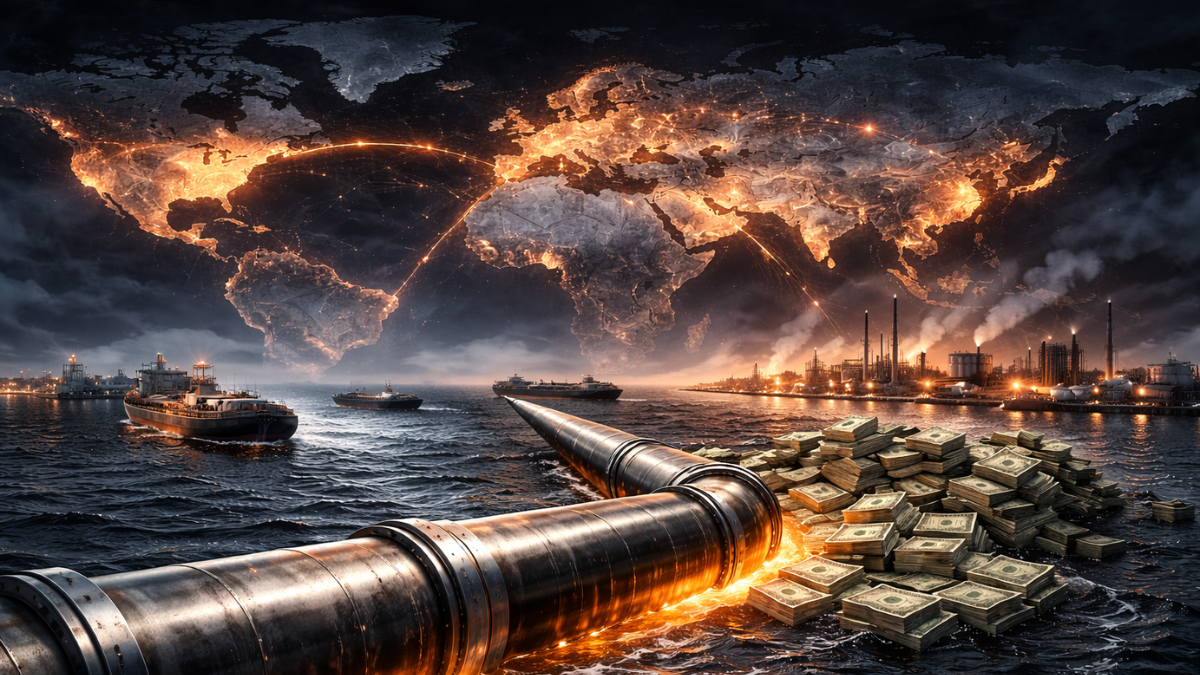


A recent decision by the United States to temporarily ease some sanctions on Russian oil has raised concern among Ukraine and several European leaders. The step allows Russian oil shipments that were already on tankers at sea to be sold despite existing restrictions.
Sanctions were first introduced after Russia launched its full-scale invasion of Ukraine in February 2022. The United States, European nations, and their allies imposed strict measures targeting Russia’s economy, especially its oil and gas sector. The aim was to reduce the country’s ability to earn money that could support the war.
Russian energy exports have been a major source of income for the government. By limiting these sales, sanctions were meant to weaken the financial resources available for military operations.
However, the recent easing of restrictions has triggered criticism across Europe. French President Emmanuel Macron said there was “no justification” for the decision. German Chancellor Friedrich Merz described the move as “wrong,” while European Council President António Costa called it “very concerning.”
The temporary suspension of sanctions was announced by US Treasury Secretary Scott Bessent. The decision came as global energy markets faced instability caused by escalating conflict in the Middle East. Rising tensions in the region have increased fears of supply disruptions and pushed oil prices higher.
Allowing some Russian oil shipments to proceed was seen as a way to ease pressure on global markets and prevent energy prices from climbing even further.
US temporarily eases sanctions on Russian oil shipments loaded before March 12
Ukraine Warns Decision Could Boost Russia’s War Economy
Ukraine has strongly criticized the move, saying it could significantly benefit Russia financially.
Ukrainian President Volodymyr Zelenskyy said the decision alone could bring about $10 billion in additional revenue to Russia. Speaking at a press conference in Paris, he said such a development would not help efforts to achieve peace.
According to Ukrainian officials, increased oil income could ease pressure on Russia’s economy and allow the country to maintain its military operations.
Sanctions had created financial strain for Russia in recent months. The government had reportedly sold part of its gold reserves and increased consumption taxes to raise additional funds.
There have also been signs that Russia has struggled to recruit enough soldiers to replace the large number of casualties reported daily in the war.
European leaders worry that additional oil revenues could help Russia buy more weapons and recruit more soldiers, strengthening its position on the battlefield.
The concern comes at a time when Ukraine has endured a difficult winter during the conflict. Ukrainian forces have also carried out strikes on targets deep inside Russian territory and managed to reclaim some areas during ongoing fighting.
These developments made the timing of the sanction relief particularly sensitive for Ukraine and its allies.
US assures G-7 partners India’s Russian oil waiver is strictly temporary
Financial Strains and Political Disputes Add Pressure
Ukraine is also facing financial difficulties as the war continues. A planned €90 billion support package from the European Union has been delayed because of disagreements with Hungary.
Another issue involves a pipeline that runs through Ukrainian territory and usually transports Russian oil to Hungary and other European countries. The pipeline was damaged by Russian strikes earlier this year.
Hungary has accused Ukraine of delaying the repair work needed to restore the pipeline. Ukrainian authorities say the damage is serious and will take time to fix.
Meanwhile, the growing conflict in the Middle East is drawing international attention away from the war in Ukraine. Rising tensions in that region have increased global security concerns and created instability in energy markets.
Diplomatic discussions between officials from the administration of US President Donald Trump and representatives of the Kremlin have also taken place recently in Miami, though details of the talks remain unclear.
A spokesperson for the office of UK Prime Minister Keir Starmer said allies should continue maintaining collective pressure on Russia and its financial resources supporting the war.
Despite these calls, the temporary easing of sanctions means Russia is currently able to benefit from higher global oil prices while the conflict in Ukraine continues.