



Today, the Justice Department, Environmental Protection Agency (EPA). West Virginia Department of Environmental Protection (WV DEP) announced a multi-state settlement with The Chemours Company under the Clean Water Act, Resource Conservation and Recovery Act, Toxic Substance Control Act, and West Virginia Water Pollution Control Act. The settlement covers four Chemours facilities.
Key details of the case
Located in West Virginia, North Carolina, and New Jersey — that use or produce PFAS (per- and polyfluoroalkyl substances), which are synthetic “forever chemicals” used to make products resistant to water, grease, and stains. Chemours also manufactures PFAS for various industrial and military applications, including those where substitutes are not readily available. This is the first comprehensive settlement by the federal government to resolve enforcement claims over pollution by a manufacturer of forever chemicals. .
Moreover, under the agreement, Chemours will pay a civil penalty of $22.5 million for alleged violations and conduct a multi-year, $90 million program to mitigate PFAS discharges. Chemours will also install PFAS pollution controls for surface water discharges and air emissions at its facility in West Virginia, at an estimated cost of $60 million, supply clean drinking water for more than a decade to communities that surround its facilities in West Virginia and New Jersey at an estimated cost of $280 million. Evaluate options and implement corresponding controls to reduce releases of PFAS and other toxic chemicals from its facility in North Carolina.
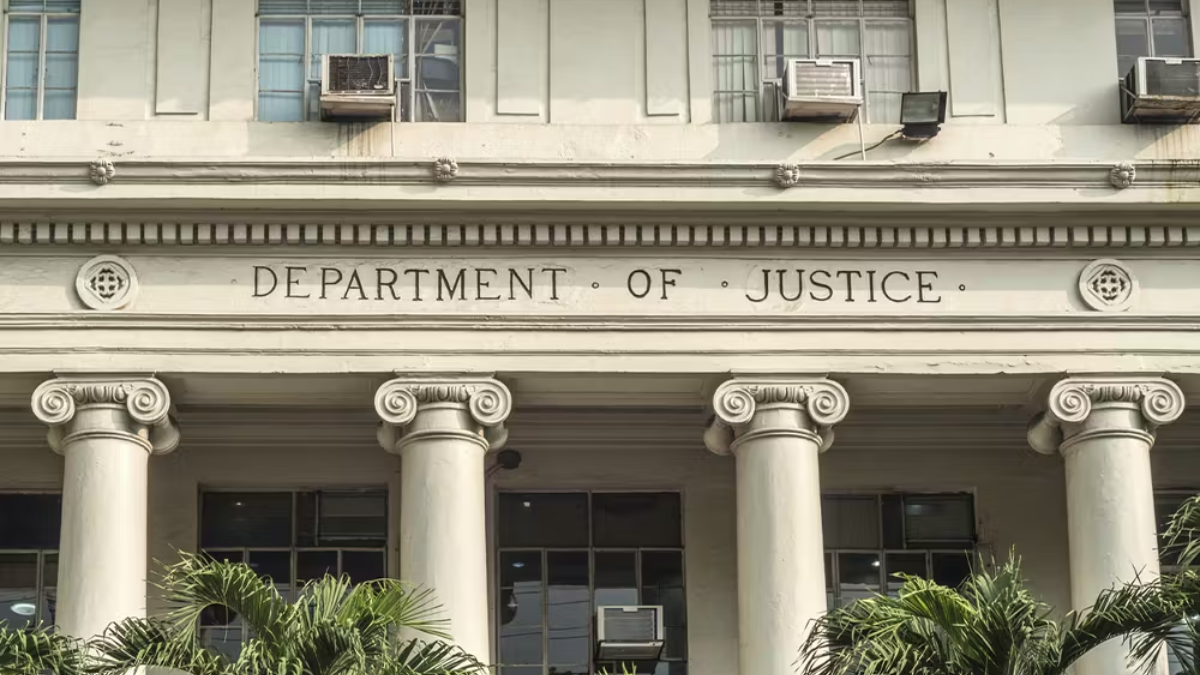
Combined, the cost of the penalty and injunctive relief programs are estimated to exceed $450 million. The settlement allows Chemours to continue manufacturing PFAS for critical commercial and military applications while preventing future contamination and protecting communities from that contamination. “This landmark settlement shows the Administration’s commitment to protecting the public from harmful pollution,” said Principal Deputy Assistant Attorney General Adam Gustafson of the Justice Department’s Environment and Natural Resources Division (ENRD).
Enforcement actions and official statements
“Through this commitment, Chemours will better control PFAS at its plants, allowing the company to continue its manufacturing operations while protecting communities in North Carolina, West Virginia. New Jersey from PFAS exposure. This agreement ensures that the company will manufacture these critical materials in a responsible manner.”.
“This first comprehensive federal settlement against a major PFAS manufacturer delivers on the Trump Administration’s promise to make polluters pay and stop PFAS contamination at the source,” said Assistant Administrator Jeffrey A. Hall for EPA’s Office of Enforcement and Compliance Assurance. “By appropriately employing the full suite of existing legal authorities, we can greatly reduce PFAS contamination of water, land. For complete details, refer to the official DOJ press release.
Air and even begin to mitigate past harm. This settlement brings Chemours into compliance with the law and holds it fully accountable.”. “As Attorney General, my office investigated Chemours and took crucial steps needed to reach this settlement and position the state to reach justice for West Virginians.
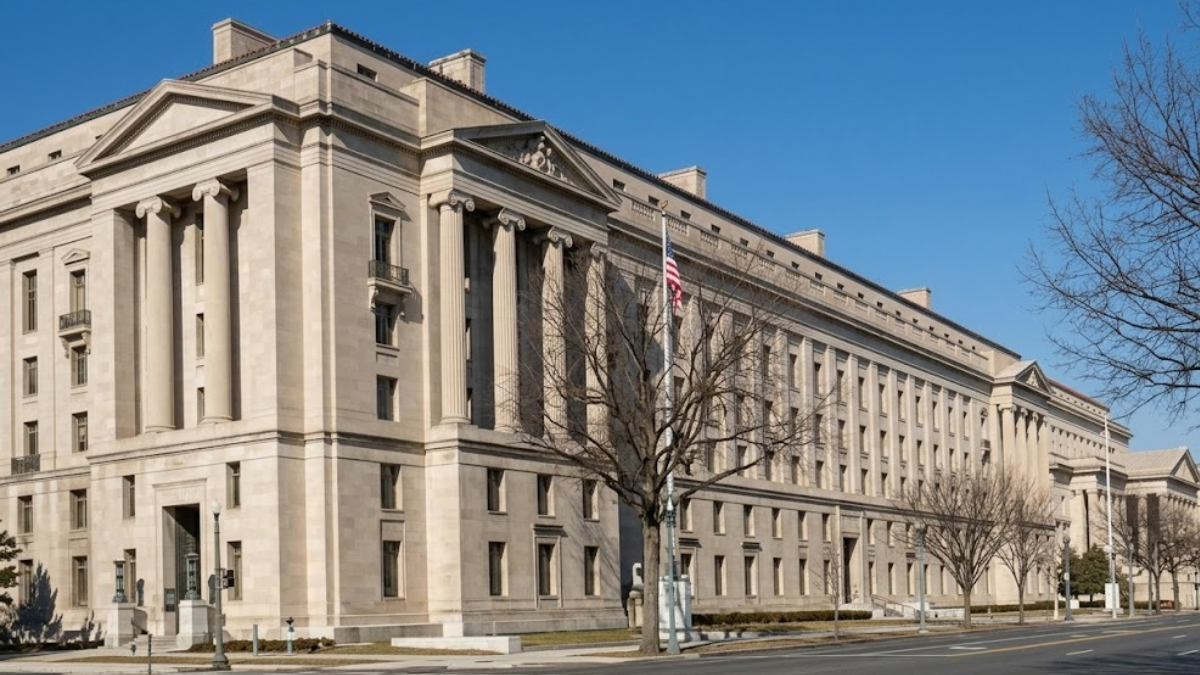
We will continue to ensure that every company complies with our laws,” said West Virginia Governor Patrick Morrisey. “This settlement is an encouraging first step, but it addresses only one piece of a much larger issue. We remain actively engaged in discussions to reach a comprehensive resolution for the Washington Works facility that protects our citizens and ensures West Virginia's communities have confidence that these issues are being addressed for the long term. For related coverage, see Six pittsburgh-area defendants charged with hate crime and obstruction of justice for late-night antisemitic attack on jewish male — DOJ.
We look forward to continuing those discussions and achieving an outcome that serves the best interests of the Mountain State.”. The complaint alleges that three of the facilities that Chemours operates in West Virginia, North Carolina. New Jersey discharged PFAS into the Ohio River, Cape Fear River, and Delaware River, in violation of permits required by the Clean Water Act and the West Virginia Water Pollution Control Act.
Subsequently, also, Chemours was allegedly not complying with legal requirements under the Toxic Substances Control Act at all four facilities. These alleged violations continued for over a decade. The facilities were previously owned for many decades by DuPont. For related coverage, see Former senior NIAID official indicted for concealing federal records during COVID-19 pandemic — DOJ.
At the same time, today’s settlement does not resolve DuPont’s liability for forever chemicals. As a result of the alleged violations, people living around these facilities were exposed to illegal PFAS. PFAS are widely used and found around the world, with scientific studies showing that exposure to some PFAS in the environment may be linked to harmful health effects in humans and animals.
In particular, to remedy the alleged violations, the consent decree calls for 14 specified projects to reduce PFAS in wastewater, stormwater. Groundwater from the West Virginia plant, such as treatment systems using granulated activated carbon. And for people drinking water near the plants in West Virginia and New Jersey, Chemours will test the drinking water and provide treated or alternative clean water.
Furthermore, also, Chemours will be required to control releases of the chemical compound GenX. Used to aid in making plastics called fluoropolymers — from each facility at an efficiency of at least 99%. Additionally, Chemours will implement controls at its North Carolina facility to mitigate releases of PFAS and other toxics based on recommendations from a third-party engineering firm.
Investigation and prosecution details
These programs will last for 15 years. Chemours will also implement enhanced Leak Detection and Repair programs to reduce emissions of PFAS. Finally, Chemours must certify compliance with respect to its storage of hazardous waste. Attorneys with ENRD’s Environmental Enforcement Section lodged the consent decree in the U.S.