

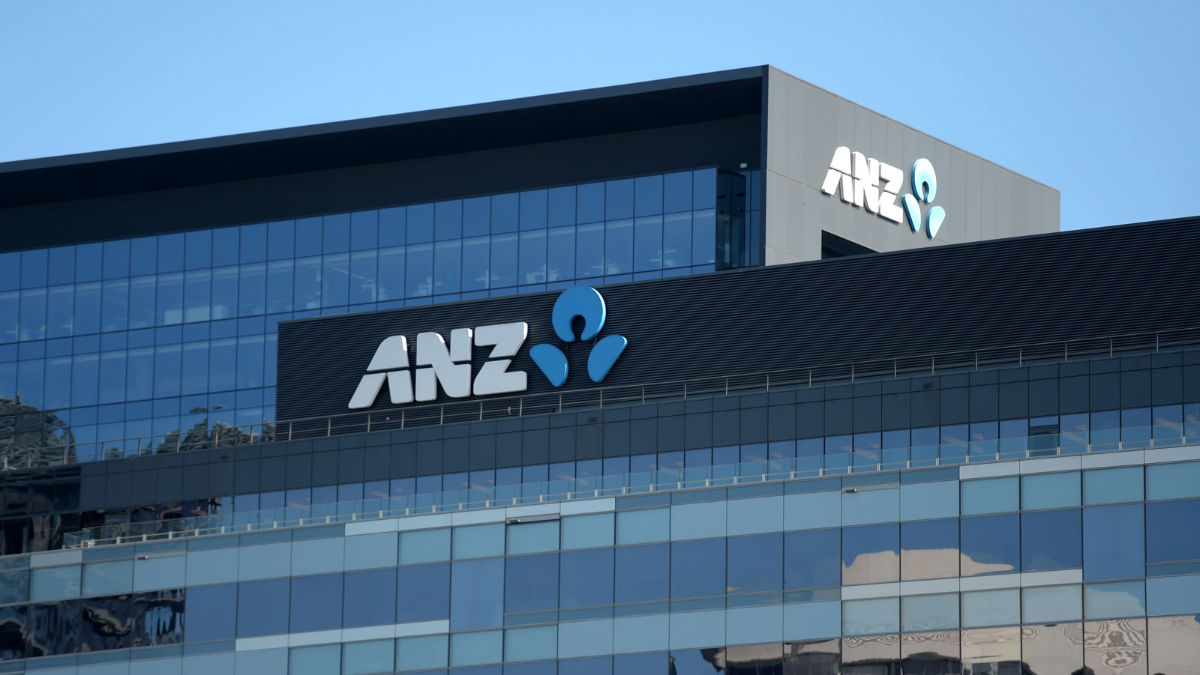


Australia’s corporate watchdog has imposed a A$250 million (around $165 million) fine on ANZ Group, one of the country’s largest banks, for serious misconduct. The penalties cover failures in both institutional and retail banking operations and mark the largest fine ever handed down by the Australian Securities and Investments Commission (ASIC) to a single entity.
Massive Fines for Mishandling Government Bond Deal
The largest part of the penalty, A$135 million, relates to ANZ’s mishandling of a A$14 billion government bond transaction. In addition, the bank was fined A$10 million by the Federal Court for reporting inaccurate data on the secondary bond market. Justice Jonathan Beach, who presided over the case, described the inaccurate reporting as “inexcusable” and increased the penalty to reflect the severity of the breach.
ASIC highlighted that the misconduct not only affected the government but also harmed taxpayers. The court ruling found that ANZ had failed to uphold its responsibilities in handling large-scale financial transactions, raising serious questions about its internal controls and oversight mechanisms.
Multiple Customer-Related Misconduct
The penalties also cover breaches affecting everyday customers. ANZ was fined A$40 million for failing to respond to hundreds of hardship notices, leaving many struggling borrowers without support. Another A$40 million fine was imposed for misleading statements about savings rates and underpaying interest to tens of thousands of customers.
Reddit sues Australian government, warning child social media ban threatens privacy and free speech
Additionally, the bank failed to refund fees charged to thousands of deceased customers, resulting in a A$35 million penalty. ASIC Chair Joe Longo emphasized that these breaches reflect deeper cultural issues within the bank, including staff reluctance to speak up and processes slowed by red tape, which prevented timely correction of mistakes.
The fines cover four separate cases of misconduct across ANZ’s institutional and retail banking divisions. Since 2016, ASIC has brought 11 civil penalty proceedings against ANZ, demonstrating a long-standing pattern of systemic problems.
Record Penalties Highlight Cultural and Compliance Failures
ASIC noted that the combined A$250 million penalty is the largest it has ever imposed on a single institution, underlining the seriousness of the misconduct. The regulator pointed out that there are fundamental issues in ANZ’s risk and compliance culture that require immediate attention from the bank’s board and executives.
Originally, both ANZ and ASIC had requested penalties of A$240 million, but Justice Jonathan Beach increased the total to reflect the additional wrongdoing in bond market reporting.
Despite the substantial fines, ANZ shares rose slightly by 0.4%, reaching A$36.08, compared with a similar gain in the ASX200 benchmark index. ANZ confirmed that existing provisions, including a A$240 million penalty reserve, will largely cover the penalties and ASIC’s costs, meaning the financial impact is mostly accounted for.
The penalties imposed on ANZ include A$135 million for mishandling the government bond transaction and for inaccurate reporting of secondary bond turnover. The bank was also fined A$40 million for failing to respond to hundreds of customer hardship notices and another A$40 million for issuing misleading savings-rate statements and underpaying interest to tens of thousands of customers. In addition, ANZ was penalized A$35 million for failing to refund fees charged to deceased customers. Finally, the court added A$10 million to the total penalty for inaccurate reporting in the secondary bond market.
ASIC Chair Joe Longo said, “Time and time again ANZ betrayed the trust of Australians,” highlighting the importance of addressing the cultural and compliance failures revealed in this case.
The penalties illustrate how serious misconduct in banking can harm both taxpayers and retail customers. The case serves as a strong reminder of the importance of transparency, accountability, and proper risk management within financial institutions.