

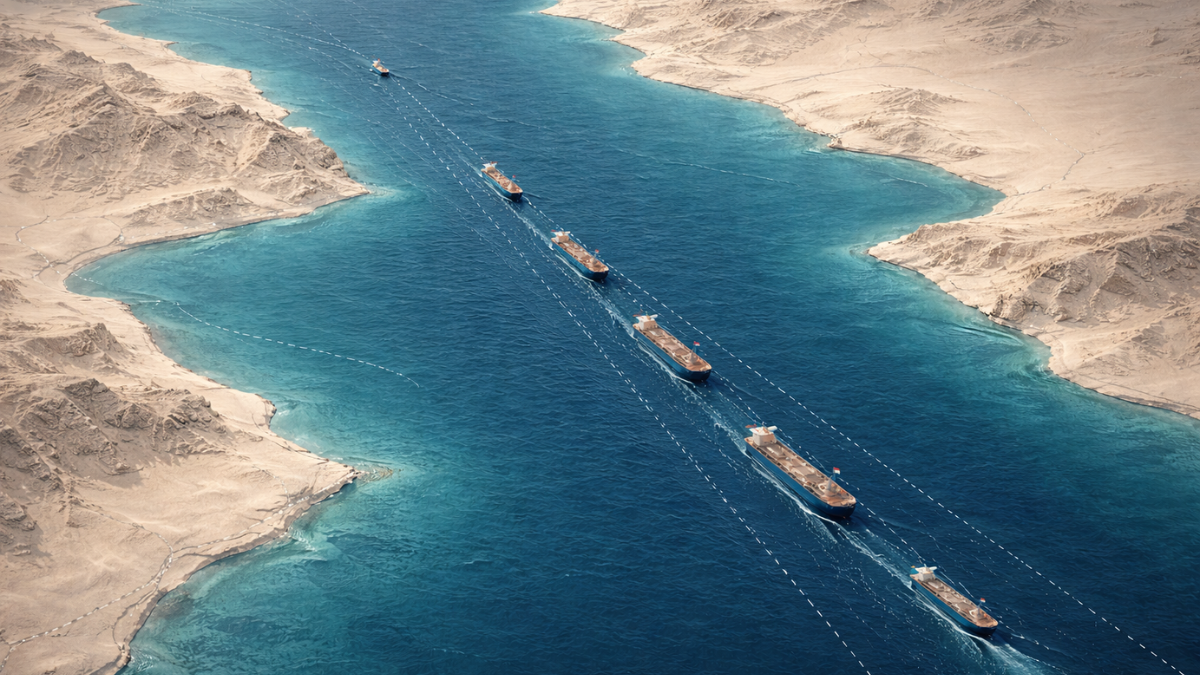


The Strait of Hormuz is one of the most important sea routes in the world. A large portion of global oil passes through this narrow waterway every day. Any disruption here can affect fuel prices and trade across many countries.
Recently, tensions in the region led to a major conflict involving Iran and other global powers. During this period, shipping activity in the strait slowed down sharply. Many ships avoided the area due to safety concerns. There were fears of attacks, seizures, and blockades.
After days of rising tension, a ceasefire was announced. This was expected to bring back normal shipping movement. Many believed that oil tankers and cargo vessels would return to the route quickly.
However, the situation on the ground has not returned to normal. Instead of a busy shipping lane filled with vessels from around the world, traffic remains limited. Only a small number of ships are passing through the strait each day.
This has created a new and unusual pattern in global shipping.
Why Iran-Linked Vessels Are Dominating Traffic
After the ceasefire, reports have shown that most of the ships currently moving through the Strait of Hormuz are linked to Iran. These vessels either belong to Iran, are operated by companies connected to Iran, or are from countries that maintain friendly ties.
China and Russia use double veto to block UN resolution on Strait of Hormuz safety
This shift has not happened by chance. The movement of ships through the strait is still tightly controlled. Permissions, safety concerns, and regional influence are playing a major role in deciding which vessels can pass.
Many international shipping companies are still hesitant. They are worried about security risks. Insurance costs for ships in the region have also increased. This has made it expensive and risky for many operators to send vessels through the strait.
Because of this, several global players have chosen to delay or reroute their shipments. Some ships are waiting outside the region instead of entering the narrow waterway.
At the same time, Iran-linked vessels are continuing to move. These ships are seen as having fewer restrictions and better access. As a result, they now make up a large share of the total traffic.
In some cases, only a handful of ships have been recorded passing through in a day. Among them, most were connected to Iran in some way. This shows how limited and selective the current movement has become.
The situation highlights how control over a key route can shape global trade patterns, even after a ceasefire is in place.
176 million barrels released: How the end of the Hormuz blockade will impact gas prices
Impact on Global Shipping and Oil Movement
The reduced traffic in the Strait of Hormuz is having a visible impact on global shipping. Normally, the route sees a high number of vessels carrying oil and goods between major regions. Now, that flow has slowed down significantly.
Oil shipments are especially affected. Since the strait is a major route for energy exports, any disruption can reduce supply. This creates pressure on global markets and leads to uncertainty in pricing.
Shipping companies are facing multiple challenges. These include safety risks, higher costs, and delays. Some vessels are being forced to take longer routes, which increases travel time and expenses.
Ports and trade networks that depend on steady oil flow are also feeling the effects. Delays in shipments can disrupt supply chains and create gaps in delivery schedules.
The dominance of Iran-linked vessels shows how access to the strait is currently uneven. While some ships continue to move, many others are staying away. This imbalance is changing how trade is carried out in the region.
Despite the ceasefire, the situation remains controlled and restricted. The number of ships passing through is still far below normal levels. This indicates that the strait is not yet operating at full capacity.
The current pattern of movement reflects a cautious and controlled environment. Only selected vessels are navigating the waters, and most of them have clear links to Iran.