

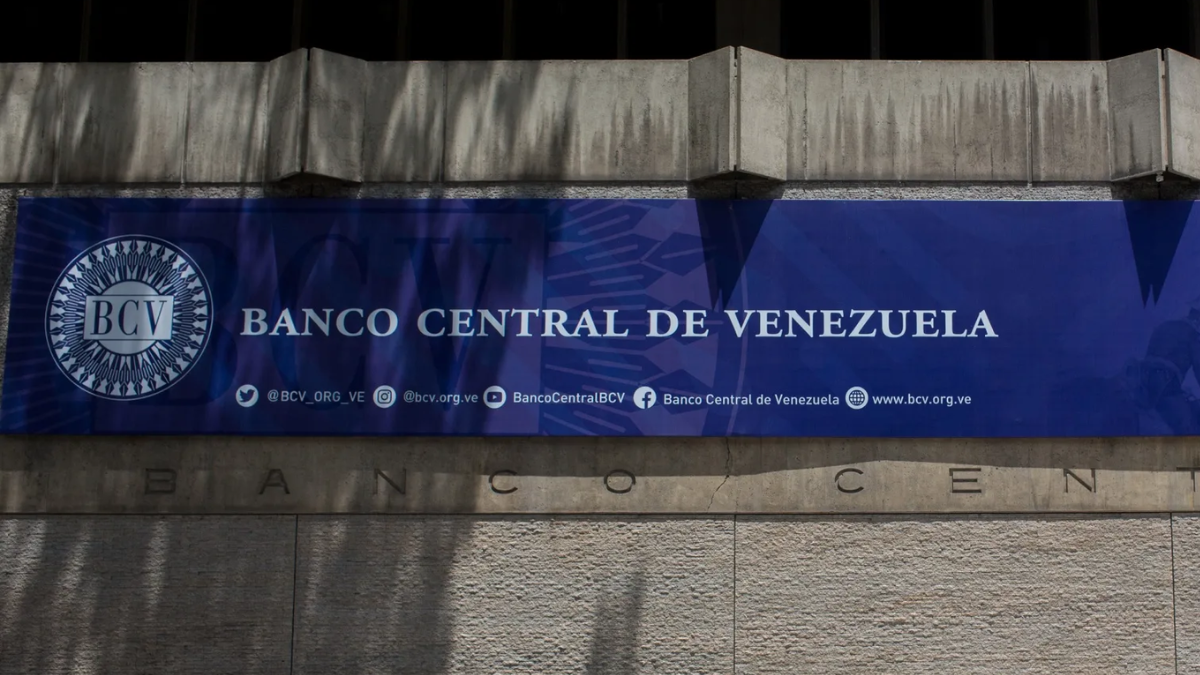


The United States is exploring a major policy shift that could change how money flows into Venezuela’s struggling economy. Officials are considering lifting sanctions on Venezuela’s central bank. This move is aimed at allowing billions of dollars from oil sales to enter the country more easily.
For years, Venezuela has faced strict financial restrictions. These sanctions cut off its central bank from the global banking system. As a result, it became very difficult for the country to receive money from international trade, especially oil exports.
Now, the US is reviewing ways to ease these restrictions. The goal is to remove barriers that are slowing down economic activity. Authorities believe that allowing the central bank to operate more freely could help stabilize the country’s financial system.
This step comes as part of broader efforts led by Donald Trump to support Venezuela’s economic recovery. Officials have indicated they are ready to take further action if needed to improve conditions in the country.
Oil Money Stuck Despite Rising Production Efforts
Even though Venezuela has started increasing oil production, a major issue remains. Large amounts of money earned from oil sales are not reaching businesses inside the country.
Goldman Sachs and Wall Street eye Venezuelan energy deals after Delcy Rodriguez sanctions lift
Payments linked to Venezuela’s state oil company are often delayed. Banks handling these transactions are conducting strict compliance checks due to existing sanctions rules. This has caused funds to pile up in accounts instead of flowing into the economy.
In some cases, companies working to restart oil production have been forced to pause operations. They are unable to access payments needed for daily activities. This has slowed down efforts to boost oil output.
The United States has taken control of Venezuela’s oil revenue as part of its broader strategy after capturing former President Nicolás Maduro in January. Initially, the money from oil sales was routed through an account in another country before being transferred onward. Around $1 billion has already been sent to Venezuela’s central bank.
However, a large portion of these funds has still not reached businesses. The delays are mainly due to banking procedures and compliance reviews.
These financial bottlenecks are becoming a serious concern. They risk slowing down plans to quickly revive Venezuela’s oil sector.
Why Central Bank Relief Could Unlock Economic Activity
Lifting sanctions on Venezuela’s central bank could solve many of these issues. It would allow money from oil sales to move more freely through the financial system.
Venezuela’s gold and mineral sector reopens as US lifts economic restrictions
This change could help restore connections with international banks. It would also reduce delays in processing payments. More banks may be willing to handle transactions, increasing financial activity.
Access to US dollars is especially important for Venezuela. The country relies on foreign currency to stabilize its local currency and control inflation. In the past, a shortage of dollars has led to severe economic problems.
With more funds entering the system, the government has already started increasing dollar sales to the private sector. This is an effort to prevent further decline in the local currency and avoid rising inflation.
Chris Wright has indicated that Venezuela could raise its oil production by as much as 40% this year. That would mean an increase of around 300,000 to 400,000 barrels per day. This makes it even more important to ensure that financial systems can handle the growing flow of money.
Sanctions introduced earlier had effectively blocked Venezuela’s central bank from operating in the US financial system. This discouraged international banks from engaging with the country.
According to Alejandro Grisanti, removing these sanctions would help rebuild financial connections, reduce delays, and allow more banks to participate in transactions.
As discussions continue, the focus remains on removing obstacles that prevent money from reaching the Venezuelan economy.