

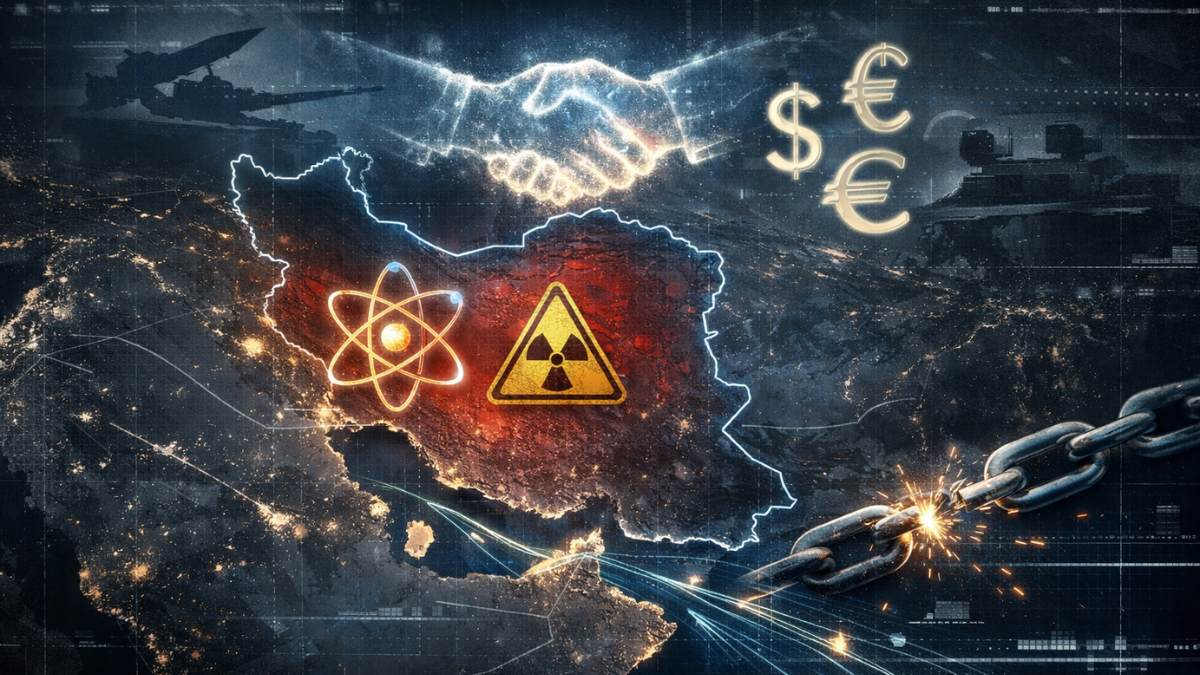


A major and sensitive diplomatic development has been reported involving a wide-ranging proposal on Iran’s nuclear programme, combined with a temporary ceasefire arrangement and the possibility of easing economic sanctions. The plan places strict limits on uranium enrichment in Iran, demands removal of nuclear infrastructure, and introduces what is described as elimination of remaining nuclear traces referred to as “nuclear dust.”
The proposal is linked to Donald Trump, who is described as presenting a high-pressure diplomatic framework aimed at reshaping nuclear controls in the region. The situation is being described as a fragile but active diplomatic opening, supported by temporary reductions in military tensions and conditional negotiations involving multiple regional actors.
Complete Uranium Enrichment Ban and Nuclear Infrastructure Removal Plan
The central demand of the reported proposal is a total ban on uranium enrichment in Iran. Under this condition, Iran would be required to stop all enrichment activities entirely, with no exceptions. This is positioned as the core requirement of the agreement and the foundation for any further negotiation.
In addition to stopping enrichment, the plan calls for dismantling nuclear infrastructure. This includes removal of deeply buried facilities and materials linked to nuclear development. The proposal extends beyond halting future activity and focuses on eliminating existing capability to prevent any future restart.
A key element of the strategy is the removal of what is referred to as “nuclear dust.” This term is used to describe microscopic nuclear traces and residual material that may remain after dismantling operations. The objective is described as full clearance of nuclear remnants.
The proposal also emphasizes strict surveillance and verification. It is stated that satellite monitoring is actively tracking nuclear facilities, ensuring that no unauthorized changes occur. According to the reported plan, no nuclear sites have been altered since the time of recent military action, suggesting strict control over the situation.
The framework is linked to Donald Trump’s broader diplomatic positioning, where the ceasefire and negotiation efforts are described as part of a “very productive regime change.” The proposal also refers to a structured 10-point discussion framework, with several previously disputed issues reportedly already resolved.
Two-Week Ceasefire, Strait of Hormuz Conditions, and Regional Military Pause
A temporary two-week ceasefire is reported as part of the wider arrangement. This pause includes suspension of certain bombing operations connected to Iran-related tensions, involving coordination between the United States and Israel. The ceasefire is described as a fragile pause designed to reduce immediate conflict risk while negotiations continue.
A major condition attached to the ceasefire is the safe reopening of the Strait of Hormuz, one of the world’s most important oil and shipping routes. The agreement includes expectations for uninterrupted and secure passage of global trade through this waterway.
The ceasefire followed heightened tensions and strong warnings that escalation could result in severe humanitarian consequences. This pressure reportedly contributed to reaching the temporary agreement.
Iran shares 10-point plan focusing on ceasefire alternatives and sanctions relief
Iran’s Foreign Minister Abbas Araghchi is reported to have confirmed limited cooperation during this period. He stated that Iran would assist in ensuring safe passage through the Strait of Hormuz, working in coordination with national armed forces during the 14-day ceasefire window.
Israeli Prime Minister Benjamin Netanyahu is also reported to have supported the temporary pause in operations against Iran. However, it is noted that the ceasefire does not extend across all regional conflicts, with military activity continuing in certain areas such as Lebanon, reflecting ongoing instability despite the truce.
Sanctions Relief Proposal, Monitoring System, and Ongoing Diplomatic Engagement
A key component of the proposal is the offer of sanctions relief and reduced tariffs in exchange for compliance with nuclear restrictions. If Iran agrees to halt uranium enrichment and dismantle nuclear infrastructure, the plan suggests economic restrictions could be eased, providing financial relief.
This creates a direct link between nuclear compliance and economic benefit, forming the incentive structure of the proposal. The goal is to encourage adherence through economic recovery opportunities while maintaining strict limitations.
Continuous monitoring is described as essential for enforcement. Satellite surveillance and verification systems are highlighted as tools used to ensure compliance and detect any attempt to restart nuclear activities.
The situation remains highly sensitive, with ongoing diplomatic engagement between involved parties. The ceasefire, sanctions discussions, and nuclear restrictions form part of a broader negotiation environment defined by conditional agreements and tightly controlled monitoring mechanisms.