

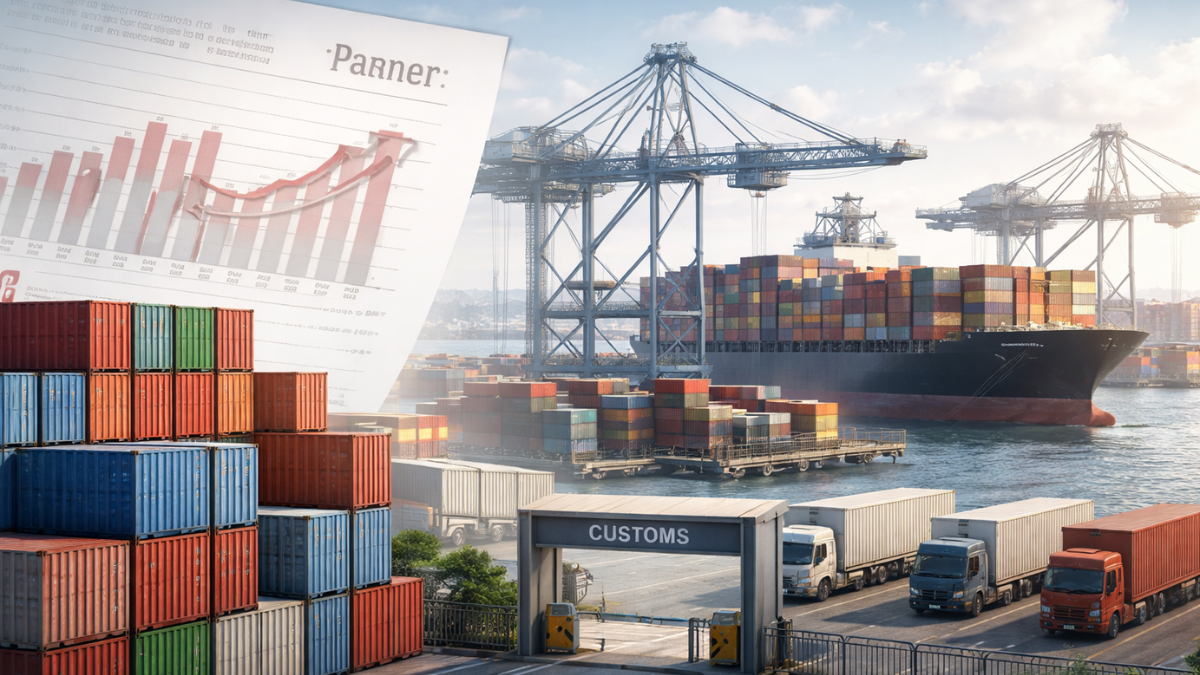


A United States trade court has ordered the government to begin issuing refunds to thousands of businesses that paid import tariffs introduced last year by Donald Trump. The decision follows a ruling by the Supreme Court of the United States last month which struck down the tariffs.
The duties had been imposed using the International Emergency Economic Powers Act, a law that allows the government to take economic action during national emergencies. However, the Supreme Court ruled that the law could not be used in this way to impose wide-ranging tariffs on imports. After that decision, businesses that had paid the duties began seeking refunds.
The new ruling from the United States Court of International Trade confirms that companies affected by those tariffs are entitled to receive their money back. The decision affects importers that had paid the duties when bringing goods into the United States.
Court Orders Refunds for Importers
The order was issued by the United States Court of International Trade and directs U.S. Customs and Border Protection to begin issuing refunds for the tariffs collected under the emergency powers law.
$1 billion trade gap at center of Ecuador-Colombia clash over Tariffs
Judge Richard Eaton stated that all importers whose goods were subject to the duties are entitled to benefit from the Supreme Court ruling. This means businesses that paid those tariffs may seek refunds for the payments made when their goods entered the country.
The case that led to the decision was filed by a Tennessee-based filtration company, Atmus Filtration Technologies. The company argued that the tariffs were imposed using a law that did not authorize such broad import taxes. Although the case began with one company, the judge clarified that the decision applies to all importers who paid the duties.
The court also said that Judge Eaton will handle cases related to refund claims connected to the tariffs. However, the exact process for refunds is still unclear, and officials have not explained how quickly payments will be made.
The tariffs had originally been collected by customs authorities when imported goods arrived in the United States. Importers were required to pay the duties before their shipments could be released. Now that the tariffs have been struck down, the court has ordered that those payments be returned.
Billions Collected Under Tariff Policy
The tariffs were introduced last year as part of a broader trade policy announced by Donald Trump. The measures targeted goods imported from dozens of countries, with tariff rates starting at around 10 percent and in some cases rising toward 50 percent.
The policy triggered a wave of trade negotiations as countries sought lower tariff rates in exchange for promises of investment and other changes. According to officials, the tariffs generated about 130 billion dollars in revenue for the United States government.
However, many businesses that depend on imported materials said the duties increased their costs. Companies across several industries began challenging the tariffs in court. Several firms joined the legal effort seeking refunds, including the global delivery company FedEx.
Canada says US tariffs unlikely to be lifted after Trump’s new 10% duty
The dispute eventually reached the Supreme Court of the United States, which ruled that the emergency powers law could not legally support the tariffs. The judgment also struck down tariffs that had been applied to goods from Mexico, Canada and China under the same authority.
Following the ruling, businesses started filing claims to recover the money they had paid in tariffs.
Government Considers New Tariff Rate
The refund order comes as the government considers introducing new import tariffs to replace the cancelled duties. Scott Bessent, the U.S. Treasury Secretary, said the United States is likely to implement a global tariff rate of about 15 percent, replacing an earlier proposal that had set the rate at 10 percent.
The possible change follows differing statements about the new tariff rate. Meanwhile, businesses continue to file legal claims seeking full refunds for the duties they paid.
A small business coalition known as We Pay the Tariffs welcomed the court’s decision. A representative of the group, Dan Anthony, said businesses had waited long enough for the return of funds collected under the tariffs.
The White House did not immediately respond to requests for comment after the decision. The ruling now requires customs authorities to begin handling refund claims from importers affected by the tariffs struck down by the Supreme Court of the United States.