
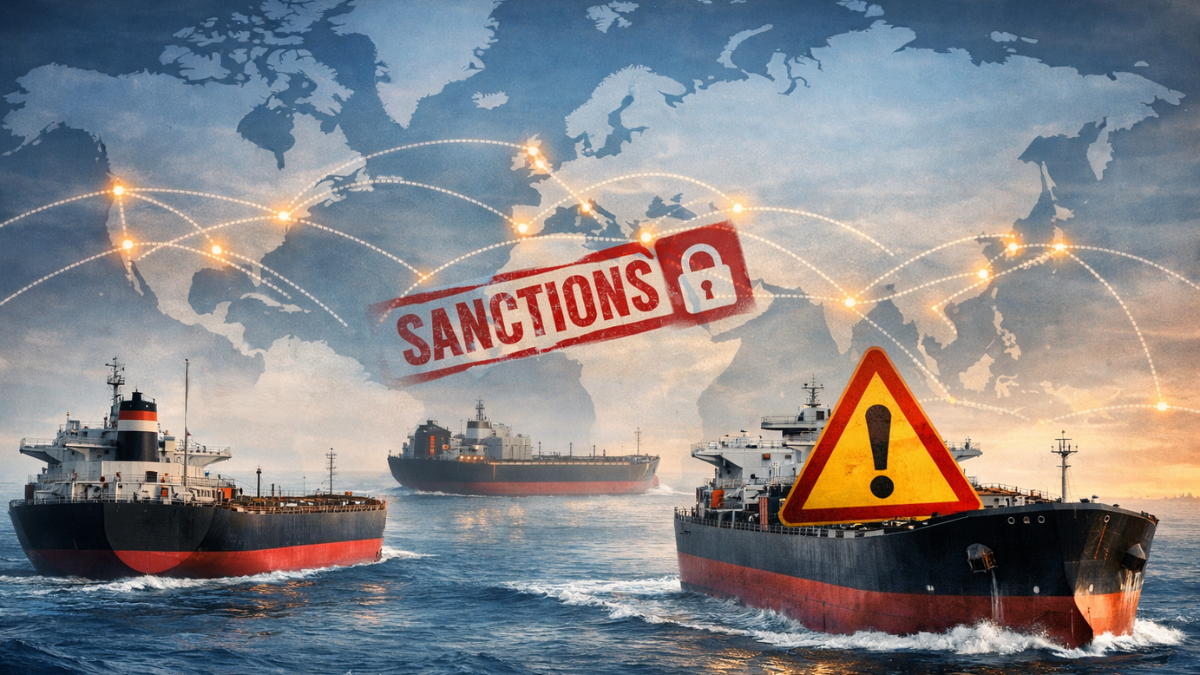


The United States has announced a new set of sanctions aimed at Iran’s oil shipping network. The action is designed to limit the money the country earns from selling oil, which US officials say is used to support the country’s military and nuclear programs. The sanctions were announced on Thursday by the US Department of the Treasury.
According to the Treasury Department, the latest move focuses on disrupting Iran’s ability to secretly export oil despite existing restrictions. By targeting ships and companies involved in these activities, the US aims to reduce the country’s access to petroleum revenue. This step is part of Washington’s broader effort to enforce economic pressure on Tehran.
US officials said the action falls under the government’s ongoing “maximum pressure” campaign, which has been expanded several times throughout the year.
US Sanctions Focus on Iran’s “Shadow Fleet”
The Treasury Department has blacklisted 29 oil vessels along with their management companies. These ships are accused of helping move hundreds of millions of dollars’ worth of Iranian petroleum products around the world. US authorities say the vessels form part of Iran’s so-called “shadow fleet.”
The term “shadow fleet” refers to vessels used to move Iranian oil while avoiding sanctions enforcement. US officials say these ships employ deceptive practices such as sailing under false flags, using falsified shipping documents, repeatedly changing vessel names, and disabling tracking systems.
Iran’s $2 Billion Venezuela Gamble at Risk as US Moves to Choke Oil Exports
According to authorities, these methods are used to obscure the origin of Iranian oil and complicate efforts to trace shipments, allowing sanctioned petroleum to enter global markets despite restrictions.
The Treasury Department stated that the sanctioned vessels and companies will be cut off from the US financial system. Any businesses that continue to work with them may also face penalties. This can restrict access to banking services, insurance, and ports, making it harder for the ships to operate.
Among those linked to the sanctioned vessels is Egyptian businessman Hatem Elsaid Farid Ibrahim Sakr, who US officials say is connected to nearly a quarter of the ships named in the announcement.
Companies Across Several Countries Named
The US government said the vessels are managed or operated by companies based in multiple countries. These include the United Arab Emirates, Panama, the Marshall Islands, India, the British Virgin Islands, and Liberia. According to officials, these firms played roles in owning, managing, or operating ships involved in transporting Iranian oil.
The sanctions apply not only to the vessels but also to the companies responsible for their operations and logistics. This includes firms handling shipping management and documentation. US authorities said that some business networks, including those linked to Hatem Elsaid Farid Ibrahim Sakr, were involved in overseeing a significant number of the sanctioned ships.
Crypto Wallet Exodus Penalized by OFAC for Advising Iran-Based Users on VPN Workarounds
By targeting companies across different regions, the US aims to disrupt the wider network that supports Iran’s oil exports. Officials said the move shows that Washington is willing to act against non-Iranian entities if they are found to be supporting sanctioned activities.
Part of the Ongoing Maximum Pressure Campaign
Thursday’s sanctions build on earlier actions taken this year. Since January, the Trump administration has sanctioned more than 180 vessels tied to Iranian petroleum shipping. US officials describe these steps as part of a long-running effort to prevent it from evading international restrictions.
Oil exports remain one of Iran’s main sources of income. The Treasury Department said the purpose of the sanctions is to deprive it of revenue used to fund military activities and weapons-related programs. US authorities have repeatedly stated that they will not allow the country to develop a nuclear weapon.
Officials say Iran’s oil smuggling operations are organized and rely on complex networks to bypass sanctions. By expanding the list of sanctioned vessels and companies, the US aims to tighten enforcement and limit Iran’s ability to move oil through hidden channels.
The announcement highlights continued US efforts to use financial sanctions as a key tool to restrict Iran’s access to global oil markets and reduce revenue generated through illicit petroleum exports.