

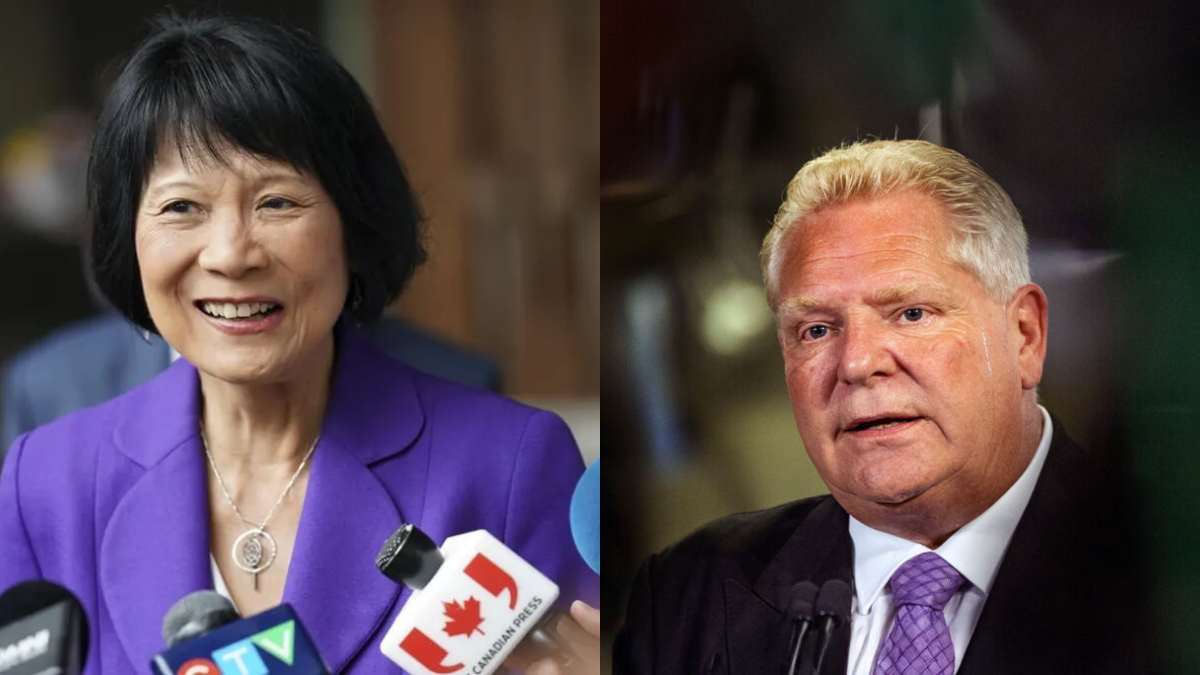


A major police corruption investigation has shaken Toronto and drawn attention across Ontario. The issue became widely known after a news video showed Ontario Premier Doug Ford and Toronto Mayor Olivia Chow responding to allegations involving members of the Toronto Police Service. The investigation includes serious criminal accusations and has raised strong public concern about trust, safety, and accountability in policing.
This is not an internal review or a minor misconduct case. Authorities have confirmed it is a large criminal investigation being handled by an external police service to ensure independence. Several active Toronto police officers and one retired officer have been arrested and charged in connection with organized crime activities. The scale and seriousness of the case have made it one of the most troubling police corruption investigations in recent years.
The public response has been strong, with many residents expressing shock that police officers could be linked to criminal networks. The reactions from Ford and Chow came as people sought reassurance that the issue was being addressed seriously and transparently.
Details of the Allegations and Investigation
The investigation focuses on allegations that some police officers abused their positions for criminal gain. According to information released by authorities, the accused officers are alleged to have worked with organized crime groups. The claims include leaking confidential police information, accepting bribes, and interfering with police work to benefit criminal operations.
2 investigative journalists detained after publishing report on Pujiang County corruption
Some of the allegations are extremely serious. Investigators have stated that the case includes accusations related to drug trafficking and involvement in activities connected to serious violence. These claims suggest that the alleged misconduct went beyond isolated incidents and occurred over a period of time.
In addition to police officers, several civilians believed to be connected to organized crime have also been charged. Authorities allege that these individuals worked with the officers, using inside information and protection to support criminal activity. This alleged cooperation between law enforcement members and criminal groups has caused significant public concern.
To avoid conflicts of interest, the investigation has been assigned to a police service outside of Toronto. Officials have stated that this step is necessary to maintain fairness and public confidence. The investigation remains active, and further information is expected to come through court proceedings rather than public statements.
Public Reaction and Statements from Ford and Chow
Doug Ford addressed the investigation by acknowledging the seriousness of the allegations. He stated that anyone found to have broken the law must be held accountable, regardless of their position. At the same time, he emphasized that the accused individuals do not represent the majority of police officers who serve the public honestly.
Olivia Chow also responded, focusing on the importance of public trust. She stated that confidence in policing is essential for community safety and that allegations of corruption can cause deep harm. Chow made it clear that accountability is critical and that any wrongdoing must be dealt with through the legal process.
Both leaders recognized that the investigation has unsettled residents. The idea that police officers may have helped organized crime groups has raised concerns about safety and fairness. Their responses reflected the seriousness of the situation and the need for transparency.
Authorities have reminded the public that all accused individuals are presumed innocent until proven guilty in court. However, the charges alone have already affected public confidence in policing. The case has also drawn attention to the importance of oversight and internal controls within law enforcement agencies.
The investigation continues as legal proceedings move forward, with updates expected through official and judicial channels.