

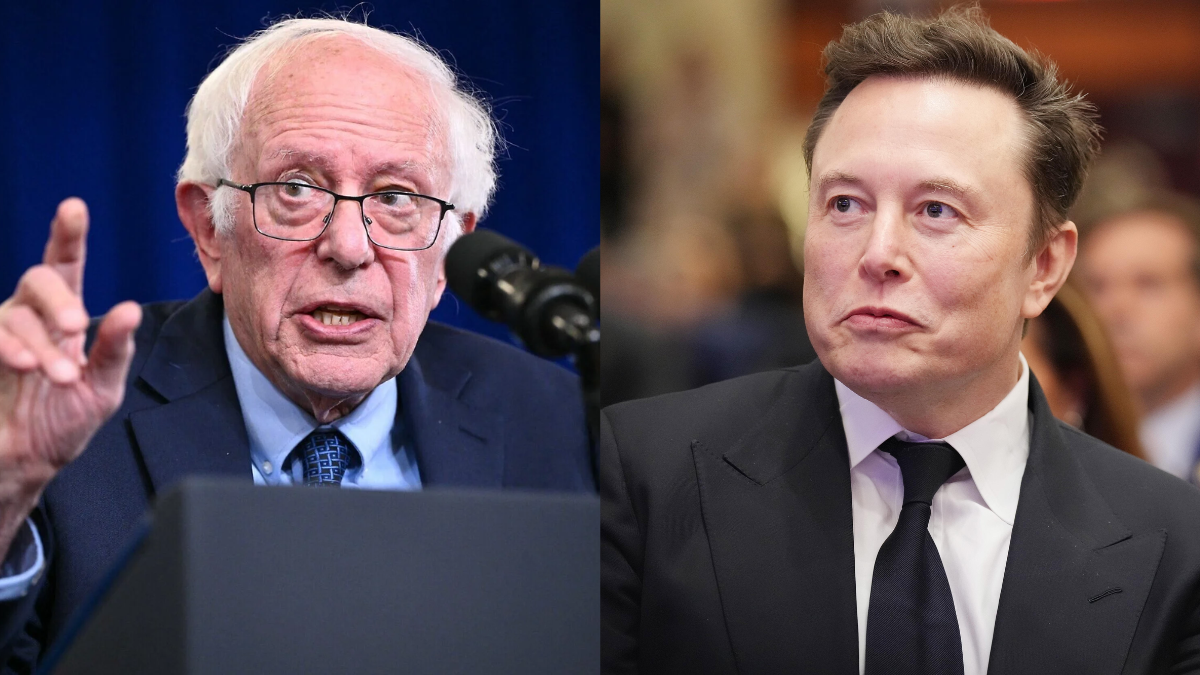


A major debate erupted after Tesla shareholders approved a compensation plan for Elon Musk that could reach $1 trillion over the next decade. The size of the package is almost impossible for most people to imagine, and it quickly became the center of public discussion.
Bernie Sanders strongly criticized the deal. He posted that a ten-year, trillion-dollar package is worth more than the combined pay of every elementary school teacher, cashier, restaurant cook, farmworker and bartender in the United States. He called it “insanity” and used it to highlight growing concerns about wealth inequality.
A trillion dollars is a number with twelve zeros. It is more than the entire GDP of Switzerland, a country that is home to more than one hundred billionaires. It is also roughly equal to the total wealth of nine million households in the United States. With that amount, a person could buy nearly twice the gold stored in Fort Knox or fund NASA’s entire budget for forty years. Sitting in a savings account, it could generate more than a thousand dollars every second.
After the approval, Elon Musk told shareholders, “I super appreciate it.”
How Elon Musk’s Wealth Works and Why It Matters
Much of Musk’s fortune comes from the companies he owns. He holds about 12% of Tesla, 42% of SpaceX, 74% of X, and more than half of both xAI and Neuralink. Although most of his wealth is tied to stock, it is still considered real because he can sell shares whenever needed.
This was clear during his 2022 purchase of Twitter, when he personally contributed more than $27 billion in cash, most of it from selling Tesla shares. His large financial resources also give him political influence. Reports say he spent more than $250 million supporting Donald Trump’s 2024 campaign. He has also publicly backed far-right figures in Europe, including the political party AfD and British activist Tommy Robinson.
These examples show how large fortunes can shape public conversations and political decisions. The new Tesla pay package has added even more attention to this influence, with critics saying it raises serious concerns during a time when many workers struggle with basic costs.
A Billionaire Era and Rising Concerns About Inequality
The response to Elon Musk’s package fits into a wider global trend. Since 2005, billionaire wealth has grown 631%, and there are now more than 3,000 billionaires worldwide. Analysts believe at least five trillionaires could emerge within the next decade if current patterns continue.
Many wealthy individuals have joined the Giving Pledge, created by Bill Gates and Warren Buffett, which encourages billionaires to give away most of their wealth. But many who signed remain billionaires, and their fortunes have grown even larger. In countries like Australia, the number of billionaires has doubled in ten years.
During the same period, poverty rates have risen in many places. Studies show the richest 1% now own more than almost everyone else combined — the bottom 95%. Groups such as the Fight Inequality Alliance and the Tax Justice Network have been pushing for stronger measures. In 2024, the G20 endorsed a global minimum tax on billionaires, and the United Nations held a development summit centered on inequality.
Critics argue that billionaire influence is growing faster than public accountability. Bernie Sanders said that giving one man a trillion-dollar package worth more than what millions of essential workers earn together is more than excessive — to him, it is “insanity.”