

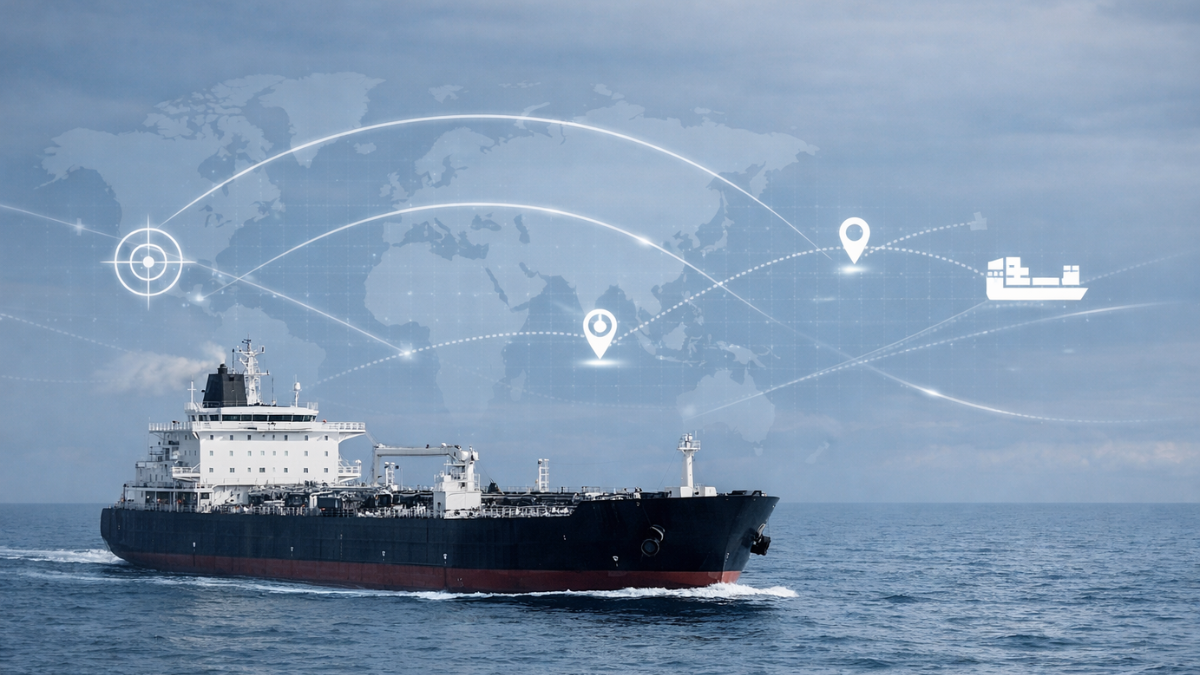


Official documents have revealed growing tension between New Zealand and the Cook Islands over the registration of vessels linked to Russia. The records show that New Zealand raised concerns for several months before stronger action was taken.
The issue centres on ships registered under the Cook Islands flag. Ship registration allows vessels from around the world to operate legally under a country’s flag. While this brings income, it also creates responsibility to ensure ships follow international laws and sanctions.
New Zealand officials began raising concerns as early as April last year. They warned that some Cook Islands–flagged vessels were connected to Russia’s so-called “shadow fleet”. These vessels are often used to avoid sanctions by hiding ownership or operating with limited transparency.
Emails and memos show New Zealand officials were worried about legal and reputational risks. They stressed that delays could affect both countries. The concerns escalated further when New Zealand’s sanctions authorities became involved in May and issued a formal notice in June.
Disputes Over Sanctions and High-Risk Vessels
By August, follow-up communications noted that several high-risk vessels remained on the Cook Islands register. Three sanctioned vessels were still listed at that time. These included Eagle S, a yacht linked to an oligarch, and a crude oil tanker sanctioned by the United States for links to Iranian oil.
Cuba’s energy grid under strain as Mexican aid ships break through sanctions pressure
The Cook Islands registry later said New Zealand had raised concerns about two vessels that were not sanctioned. These included a vegetable oil carrier and a general cargo vessel. The Cook Islands maintained that only sanctioned vessels are removed from the register.
Meetings between officials from both sides took place regularly throughout the year, beginning in February. During these discussions, New Zealand officials said they were aiming to reduce legal and reputational risks for both countries.
In late May, New Zealand officials noted signs that the Cook Islands was taking the concerns seriously. However, just over a week later, a strong formal message was sent listing 13 vessels considered especially high-risk due to suspected dark fleet activity.
The message warned that too many high-risk ships remained on the registry and that more could be done to tighten oversight. Several New Zealand agencies were copied into the message, underlining the seriousness of the issue.
The Eagle S Incident Draws International Attention
The Eagle S became a major focus after an incident in December 2024, when its anchor damaged a subsea cable in the Baltic Sea. The incident caused international concern and increased scrutiny of the Cook Islands’ inspection processes.
Officials from Finland later observed ship inspections carried out by Cook Islands authorities. Internal memos showed that inspection deficiencies were reviewed and discussed directly with local officials.
In April, the Cook Islands publicly stated that the Eagle S was not sanctioned. This position was repeated in meetings later that month. The statement was technically correct until sanctions were imposed by the European Union on 21 May.
Despite the sanctions, the Eagle S remained on the Cook Islands register until October. The Cook Islands later said this was done at the request of Finnish authorities while legal proceedings were ongoing.
Trust Concerns and Registry Response
By October, documents show improved responsiveness from the Cook Islands. Four vessels that had recently received United States sanctions were identified on the registry and were removed within days. New Zealand officials described this action as positive.
Despite this, the issue had already affected the wider relationship. In December, Bede Corry told a parliamentary committee that the ship registry issue had damaged trust between the two countries. He described the situation as inherently bad and said it exposed gaps in how free association was understood.
The Cook Islands stated that sanctioned vessels are removed immediately and said 188 ships have been deregistered over the past three and a half years. The released documents show months of warnings, delays, and growing frustration, revealing how the handling of ship registrations became a significant source of strain between two closely linked Pacific partners.