

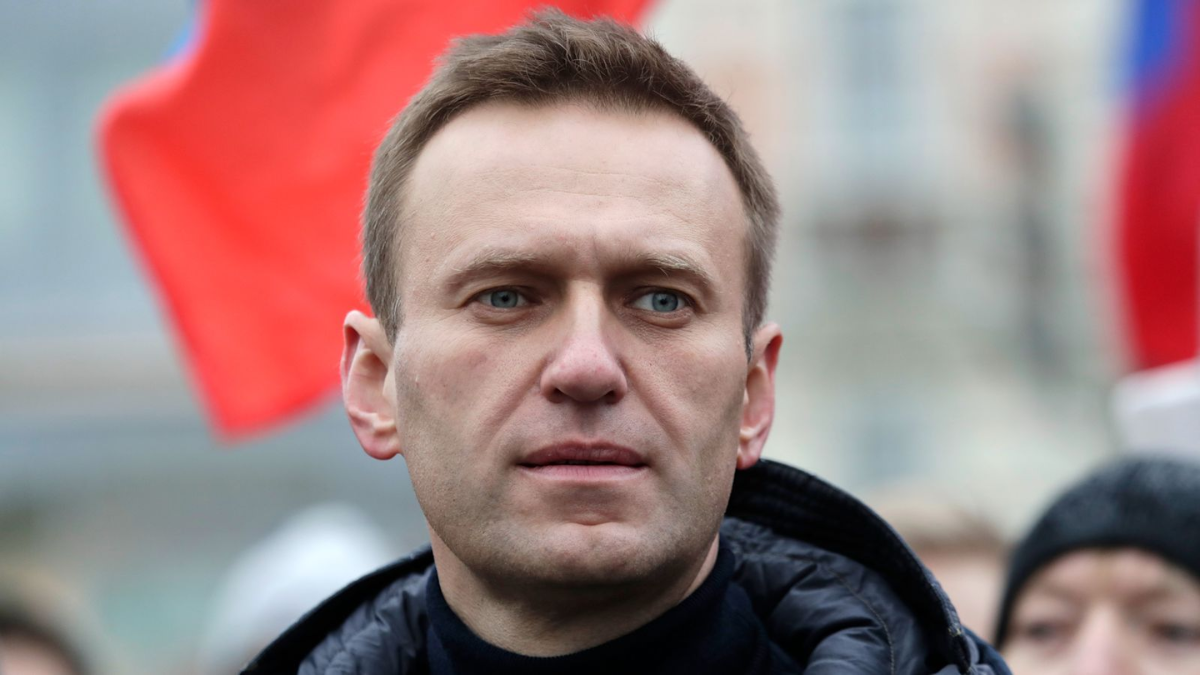


The United Kingdom is considering increasing sanctions against Russia following new findings related to the death of Russian opposition leader Alexei Navalny. The decision comes after five European countries released a joint statement saying scientific evidence strongly suggests Navalny was poisoned while in Russian custody.
UK Foreign Secretary Yvette Cooper said Britain is discussing coordinated action with European partners. These discussions include the possibility of expanding sanctions against the Russian government. The move would add to existing measures already in place due to earlier disputes and concerns over human rights.
British officials said the findings raise serious concerns about the use of dangerous chemical substances. They stressed that such actions, if confirmed, would represent a serious violation of international rules. The UK government stated that it continues to review all available options in response to the report.
The issue was discussed during an international security conference held in Germany. The findings were jointly announced by the United Kingdom, France, Germany, the Netherlands, and Sweden. The coordinated release of the statement highlighted a shared European position on the matter.
Despite sanctions, Western cars continue flowing into Russia through China
Scientific Findings Driving Sanctions Consideration
The European countries said laboratory analysis of samples taken from Navalny’s body found traces of epibatidine, a highly toxic substance. Epibatidine is known for its extreme potency and can be deadly even in very small amounts. While it is naturally found in poison dart frogs from Ecuador, experts say it can also be produced synthetically.
According to the joint statement, the symptoms reported before Navalny’s death were consistent with poisoning by this toxin. The countries said this made claims of natural causes highly unlikely.
The statement also emphasized that Navalny was held in a tightly controlled prison environment. Because of this, the countries said access to such a rare and dangerous chemical would require significant authority and resources. Based on these factors, the European governments said only the Russian state would have had the means, motive, and opportunity to deploy the toxin.
British officials separately stated that Russia had possessed this specific chemical. The UK rejected Russia’s explanation that Navalny died of natural causes and said the scientific evidence pointed clearly toward poisoning.
These findings have become a key factor in the UK’s consideration of further sanctions. Officials said accountability is necessary when serious violations are suspected.
EU expands sanctions on Russian oil, banks, and trade under 20th package
International Responses and Russia’s Denial
Following the report, the UK foreign office said it holds Russia responsible for Navalny’s death. Officials said the alleged use of a toxic substance against a prisoner would be unacceptable and demanded consequences.
UK Prime Minister Keir Starmer publicly praised Navalny’s courage and condemned actions that he said reflected extreme repression. His comments added political weight to the ongoing sanctions discussions.
Navalny’s widow, Yulia Navalnaya, said the findings confirmed what she had long believed. She stated that earlier laboratory tests on biological samples had already shown that her husband was killed by poisoning. She described the new findings as proof based on science.
France’s foreign minister Jean-Noel Barrot also responded, saying the findings showed that biological substances were being used to silence political opposition. His statement reflected broader concern among European governments.
Russia has strongly denied all accusations. Russian authorities dismissed the report and described it as politically motivated. The Kremlin maintained its position that Navalny fell ill suddenly after a walk in his prison colony and died shortly afterward. No new explanation has been provided.
As discussions continue, the UK and its European partners are reviewing the findings while considering further sanctions linked directly to the case.