

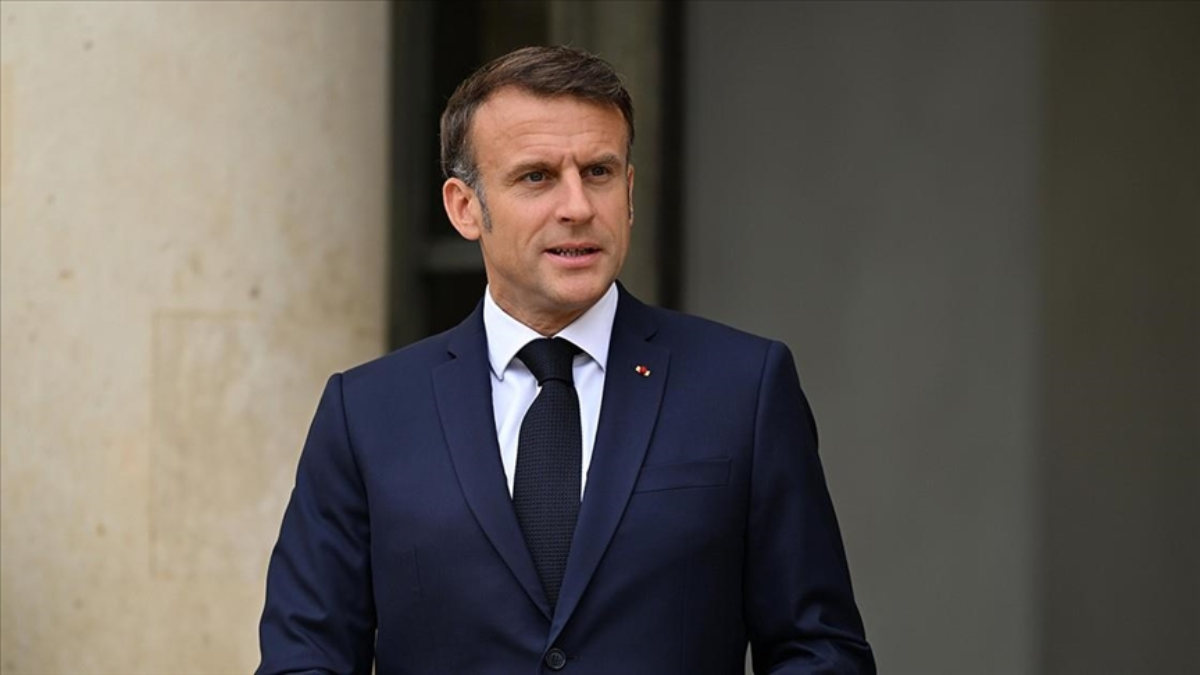


France has made it clear that the global energy crisis should not lead to the removal of sanctions imposed on Russia. French President Emmanuel Macron said that disruptions in global oil supply and rising prices do not justify easing the restrictions placed on Moscow.
The sanctions were introduced by Western countries after the conflict in Ukraine. They were designed to put economic and political pressure on Russia. According to Macron, the current energy challenges should not change the decision taken earlier by many nations.
The statement came after a meeting of the Group of Seven (G7) leaders. The G7 includes the United States, Canada, Japan, Germany, France, the United Kingdom, and Italy. The meeting focused on the growing crisis in global energy markets and the tensions linked to the conflict involving Iran.
Macron said that the disruption in the Strait of Hormuz and the surge in oil prices should not lead to a shift in policy toward Russia. He stressed that the sanctions remain important despite the pressure on energy markets.
France currently holds the rotating presidency of the G7 and organized the talks to help coordinate a response to the crisis. Leaders discussed ways to deal with rising fuel prices and the wider economic impact without weakening existing sanctions.
Concerns Over Iran’s Military Capabilities and Rising Regional Tensions
The meeting also addressed the increasing military tensions in the Middle East. Recent strikes by the United States and Israel targeted Iranian facilities connected to ballistic missile capabilities.
Former US envoy Steven Pifer warns easing Russia sanctions now could strengthen Moscow’s war effort
President Emmanuel Macron said that significant damage has already been inflicted on Iran’s ballistic military systems. However, he warned that Iran’s capabilities have not been completely eliminated.
According to Macron, Iran continues to attack several countries in the region. This shows that the country still has the ability to carry out military actions despite the recent strikes.
Macron also said that it is up to US President Donald Trump to clarify the next steps in the conflict. He called on Washington to explain both its final objectives and the pace of the ongoing operations.
France also urged efforts toward a ceasefire as soon as possible. Macron warned that a prolonged conflict could worsen the global economic and security situation.
The tensions are already affecting global markets and supply chains. Governments are closely watching developments in the region because of the possible impact on energy supplies and international trade.
Strait of Hormuz Crisis Disrupts Oil Flow and Global Commodities
A major concern for global markets is the situation in the Strait of Hormuz, one of the most important oil shipping routes in the world. Around one-fifth of the global oil supply normally passes through this narrow waterway.
US assures G-7 partners India’s Russian oil waiver is strictly temporary
Because of the growing tensions, the area has become highly unstable. President Emmanuel Macron said he has no confirmation that Iran has placed naval mines in the waterway.
This statement came despite the United States announcing that it had destroyed sixteen Iranian vessels capable of laying mines near the strait. President Donald Trump had warned that Iran would face “unprecedented military consequences” if it mined the route.
Macron said the situation in the strait means conditions are not yet suitable for maritime traffic to return to normal. He described the waterway as a theatre of war.
The instability is not only affecting oil markets but also disrupting other global commodities. Fertiliser supply chains are being affected, which could have consequences for farmers and food production around the world.
To help control rising oil prices, the International Energy Agency (IEA) announced the release of 400 million barrels from global strategic oil reserves. The move aims to stabilize international markets during the crisis.
France said it will contribute up to 14.5 million barrels from its own strategic reserves. Macron explained that the release will happen gradually and that the country still maintains significant reserves.
The action comes as roughly 20 percent of global oil production capacity is believed to be disrupted or off the market due to the rising tensions in the region.