



Newly released documents from the U.S. Department of Justice have revealed fresh details about the financial activities of Jeffrey Epstein, including investments linked to Venezuela’s state-owned oil company, Petróleos de Venezuela, widely known as PDVSA.
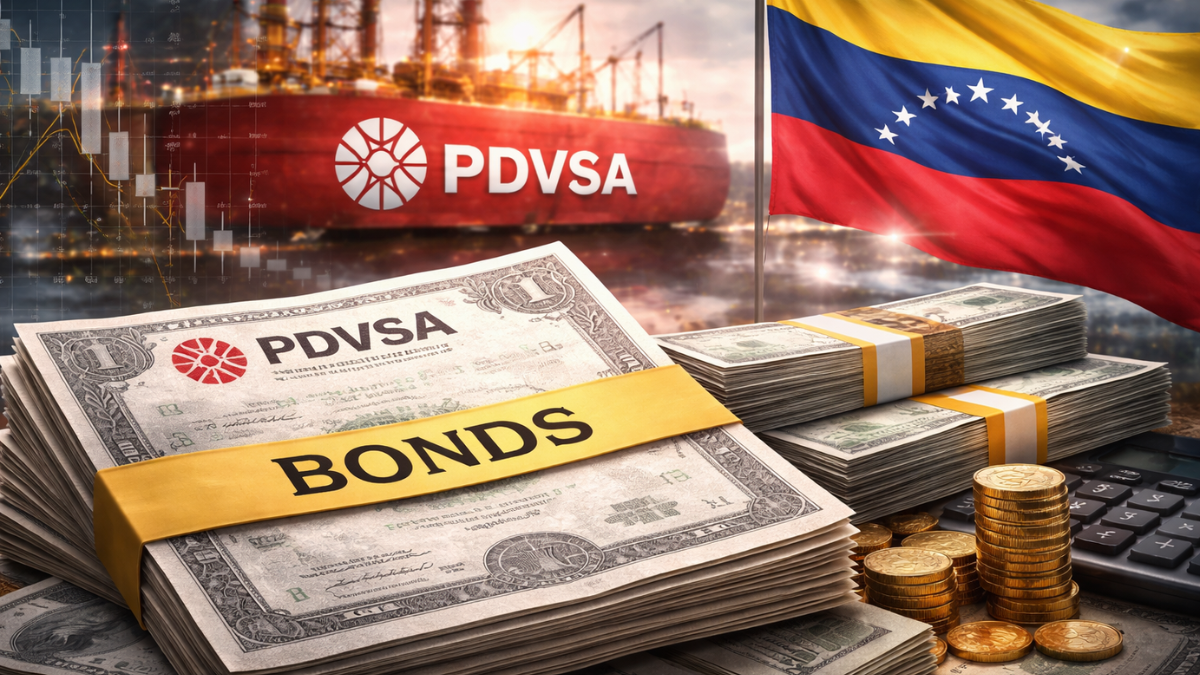
According to the unsealed records, Epstein’s financial portfolio included bonds issued by PDVSA. Bonds are a form of investment where money is lent to a company or government with the promise of repayment over time. These bonds were issued by Venezuela’s national oil company during a period when it was seeking funding from international investors.
PDVSA has been under heavy U.S. sanctions for several years due to corruption concerns, ties to the Venezuelan government under Nicolás Maduro, and repeated debt defaults. The company has struggled to make payments on its bonds, leading to years of legal disputes and financial uncertainty.
The appearance of PDVSA bonds in Epstein’s records has drawn attention because of the company’s sanctioned status and Venezuela’s ongoing economic crisis. These bonds are considered distressed assets, meaning they carry high risk and limited liquidity due to political and legal restrictions.
The documents showing these holdings were part of a large release of Epstein-related files that had previously been sealed from public view. The release includes financial records, emails, and travel information tied to Epstein’s activities before his death in 2019.
China’s $13.4 billion bond sale aims to unlock over $460 billion yuan in new investment
Details on the Venezuela Oil Bonds
The PDVSA bonds referenced in the documents were issued as part of Venezuela’s efforts to raise money through global financial markets. Some of these bonds were tied to valuable oil-related assets, including shares connected to PDVSA’s foreign operations.
Over time, Venezuela’s worsening economic conditions led PDVSA to miss scheduled payments. As a result, the company entered default on billions of dollars in debt. Creditors have since pursued legal claims tied to these bonds, particularly those backed by overseas assets.
The newly released files do not explain how Epstein acquired the PDVSA bonds or how long he held them. However, their presence in his portfolio indicates exposure to international debt instruments linked to sanctioned entities.
These details add to a growing picture of Epstein’s financial dealings, which extended beyond traditional investments. The documents suggest he maintained interests in complex and high-risk assets across multiple countries.
The PDVSA bond holdings are notable because trading and managing such assets became increasingly difficult once sanctions were imposed. Many investors holding similar bonds faced restrictions on transfers, payments, and enforcement of claims.
Alecta’s treasury drawdown fuels ‘sell America’ debate in global bond markets
Broader Context of the Document Release
The disclosure of Epstein’s PDVSA bond holdings comes as part of a massive document release by the Department of Justice, involving millions of pages tied to investigations and legal proceedings connected to Epstein.
The files have also surfaced information about Epstein’s international travel, including a trip to Ukraine in 2019, during the country’s presidential election period. These records have added to public scrutiny of his global movements and connections.
In addition to financial records, the documents include emails referencing Epstein’s interactions within elite social and professional circles. One email mentions a dinner hosted by Reid Hoffman in Palo Alto to honor MIT neuroscientist Ed Boyden, where Epstein claimed to have been present alongside Mark Zuckerberg and Peter Thiel. Zuckerberg’s representatives later stated the event was a one-time encounter with no continued relationship.
Some files also contain references to Russia and Ukraine, including unverified claims describing Epstein as a financial intermediary. These references appear within raw investigative material and are not presented as established findings.
Together, the newly released documents provide additional insight into Epstein’s financial portfolio and international reach. The inclusion of Venezuela state oil bonds highlights the complex and far-reaching nature of his financial activities as reflected in the official records now made public.