



The world is witnessing a major escalation in the Middle East as a military conflict involving the United States and Israel against Iran enters its second week. The operation, officially named “Operation Epic Fury” by U.S. authorities, began on February 28, 2026, and has already shaken global markets. In response, Iranian Foreign Minister Araghchi called the campaign “Operation Epic Mistake,” a sharp critique highlighting the severe economic fallout caused by the strikes.
The conflict began with a series of intense air strikes targeting key Iranian military infrastructure. These attacks reportedly resulted in the death of former Supreme Leader Ali Khamenei, a major event that sent shockwaves across the country and the region. Following this, Mojtaba Khamenei, his son, has been appointed as Iran’s new supreme leader, consolidating a hardline stance against making any concessions during the ongoing military operation. The rapid change in leadership has strengthened Iran’s resolve, with officials warning that they are prepared to respond firmly to continued attacks.
Dramatic Spike in Oil and Commodity Prices
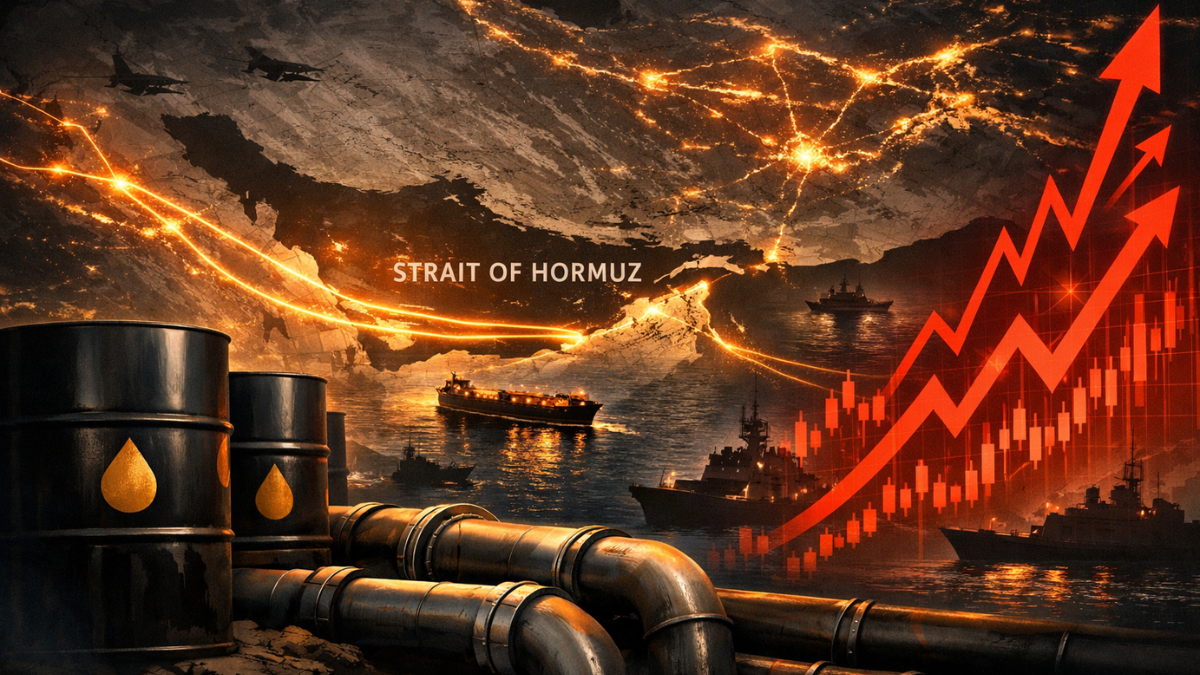
The military actions have caused serious disruptions in the Strait of Hormuz, one of the world’s most important oil shipping lanes. Around a fifth of the world’s oil passes through this narrow waterway, and the initial strikes, along with ongoing tensions, have raised fears of long-term closures. These disruptions have pushed oil prices dramatically higher, with Brent crude approaching $120 a barrel, a level not seen in years. Traders are closely monitoring developments as markets try to price in the risk of a prolonged regional conflict.
Vietnam moves to reduce fuel tariffs to stabilize domestic prices during Iran war
The surge is not limited to oil. Prices of other essential commodities, including grains and minerals, have also risen sharply. Analysts warn that these increases could affect global supply chains and consumer costs, creating pressure on households and governments worldwide.
Araghchi emphasized that the Western campaign is causing widespread economic pain, warning that the operation is backfiring and pushing global commodity prices higher. According to Iranian officials, these rising costs are not just an internal issue but a consequence of the foreign military intervention, highlighting the global ripple effects of the conflict.
The price increases have led to concerns about inflation, with energy and food costs spiking in several countries. The rapid changes in the commodities market reflect the uncertainty and volatility created by the conflict.
Asian central banks face policy dilemma amid Iran conflict and market volatility
Rising Tensions and Military Posturing
Beyond economic impacts, the military conflict has raised tensions across the Middle East. Iranian authorities have signaled that they have “many surprises in store,” suggesting the potential use of asymmetric military capabilities and networks across the region. The appointment of Mojtaba Khamenei as the new supreme leader appears to reinforce a hardline policy, showing no willingness to yield under military pressure.
The United States has insisted that the operation is necessary to protect long-term security interests. However, the immediate impact has been widespread market volatility and uncertainty for global consumers. The conflict is not limited to direct strikes; it also involves regional proxy engagements, adding complexity and expanding the potential for further disruptions.
Governments, businesses, and households around the world are closely monitoring the situation as it unfolds. The combined effects of military action, leadership transitions, and disrupted trade routes have created a high level of uncertainty. The connection between geopolitical conflicts and global economic stability is being highlighted more clearly than ever, as even distant markets feel the consequences of events in the Middle East.
The ongoing confrontation underlines how sudden military operations can send ripple effects across the globe, affecting oil prices, commodity markets, and the cost of living for millions of people worldwide.