

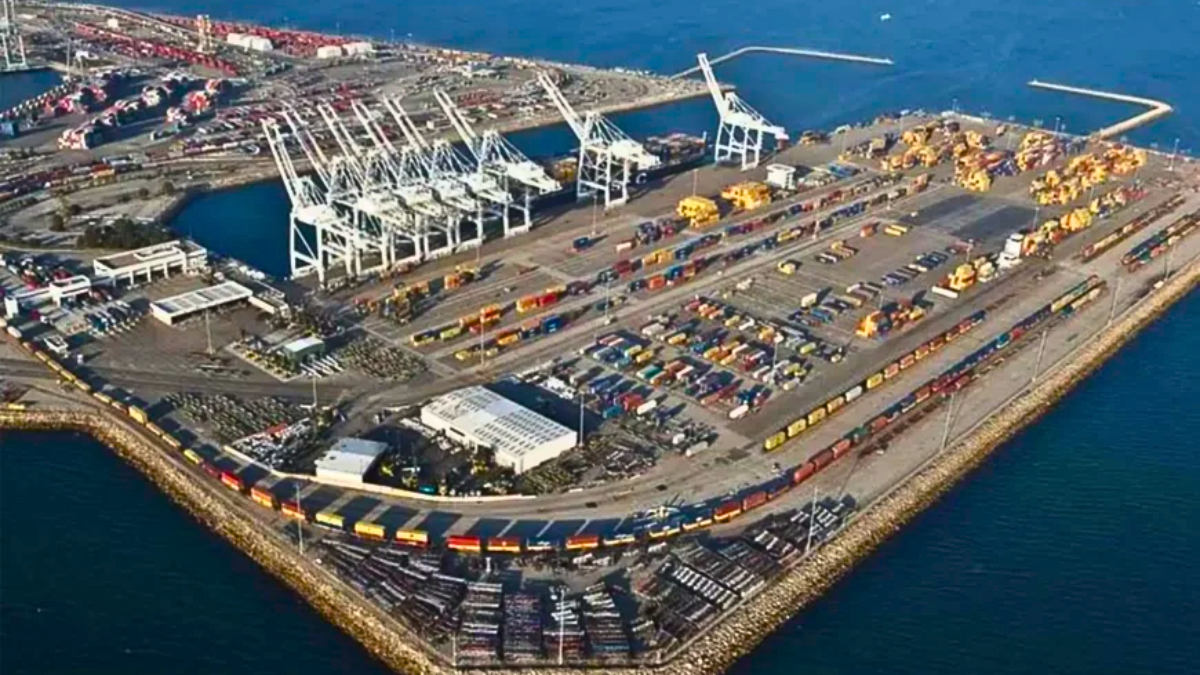


India is facing a crucial moment as the US sanctions waiver for Chabahar Port is set to expire on April 26. This port is an important part of India’s plan to improve trade routes and strengthen connections with other countries. But now, uncertainty has created a pause in operations, putting the future of the project in doubt.
On paper, India has done everything it promised. The country transferred its full financial commitment of $120 million to Iran before strict sanctions made transactions difficult. Despite this, the project is not moving forward. Instead, it has entered what experts describe as a “legal twilight”, where it exists but is not actively functioning.
A Project in Pause Mode
The slowdown is clearly visible. The company responsible for managing the port, India Ports Global Limited, has taken cautious steps. Its board of directors has resigned, and its online presence has disappeared. These actions suggest that the company is trying to protect itself from possible US penalties.
This situation has led to what can be called a “contractual ghost town”. India has not exited the project. It still holds the 10-year lease for the Shahid Beheshti terminal, signed in May 2024. However, actual work and operations have nearly stopped.
The Indian government’s 2026 Union Budget also reflects this pause. No funds have been allocated for Chabahar. This signals that the port is currently being treated as a frozen asset rather than an active project.
The reason for this caution is the risk of US secondary sanctions. These sanctions can affect not just governments but also companies and banks dealing with Iran. To avoid trouble, India has chosen to step back operationally while still maintaining its legal position.
The Timing of the Waiver Expiry
The April 26 deadline is especially important because it comes at a sensitive time. Just days before the waiver expires, talks are scheduled in Islamabad. Iran has put forward a 10-point peace proposal during these discussions.
One of the main demands in these talks is the lifting of US sanctions. If these talks move forward positively, it could change the situation quickly. A reduction or removal of sanctions would make it easier for India to restart operations at Chabahar.
This timing creates a narrow window. The port’s future depends not only on India’s decisions but also on larger regional developments. The overlap between the waiver deadline and diplomatic talks adds to the uncertainty.
Strategic Importance and Structural Challenge
Chabahar is not just any port. It plays a key role in India’s connectivity plans. It acts as a gateway for trade with Afghanistan and Central Asia. It also helps India bypass routes that are controlled by neighboring countries.
The port is closely linked to the International North-South Transport Corridor. This trade route aims to connect India with Europe and Central Asia through a mix of sea, rail, and road networks.
However, the current situation highlights a deeper challenge. India has tried to maintain a balanced approach in regional matters. This has helped preserve its relationship with Iran. At the same time, it must deal with the policies of the United States, which uses sanctions to control economic activity.
The upcoming discussions between India and the US regarding the waiver will be critical. Without an extension that allows normal business operations, the project may remain inactive. This creates a difficult situation where India must balance its strategic interests with global financial rules.
The uncertainty has already affected confidence around the project. With operations paused, leadership stepping back, and no budget allocation, Chabahar stands at a sensitive point. The coming days, especially leading up to April 26, are expected to be decisive in determining how the situation evolves.