



When unrest and protests break out in Iran, it may appear to many in India as a distant issue with little connection to everyday life. Iran is often seen as a West Asian country facing its own internal struggles. However, instability in Iran has serious consequences for India. It directly affects strategic access routes, regional balance, and security interests. The concern is not only about political change in Tehran but also about what happens if Iran stops functioning as a stable and reliable state.
India’s ties with Iran were never built on ideology or shared political systems. They were shaped by practical needs and regional realities. Over the years, Tehran has become an important part of India’s foreign policy structure. If Iran weakens or becomes unpredictable, India could lose a key support point at a time when the surrounding region is already under pressure.
Iran’s Strategic Importance for India
Iran’s importance to India is closely linked to geography. Pakistan does not allow overland access to Afghanistan and Central Asia, making Iran the only practical route to reach these regions by land. This reality has shaped regional planning for decades.
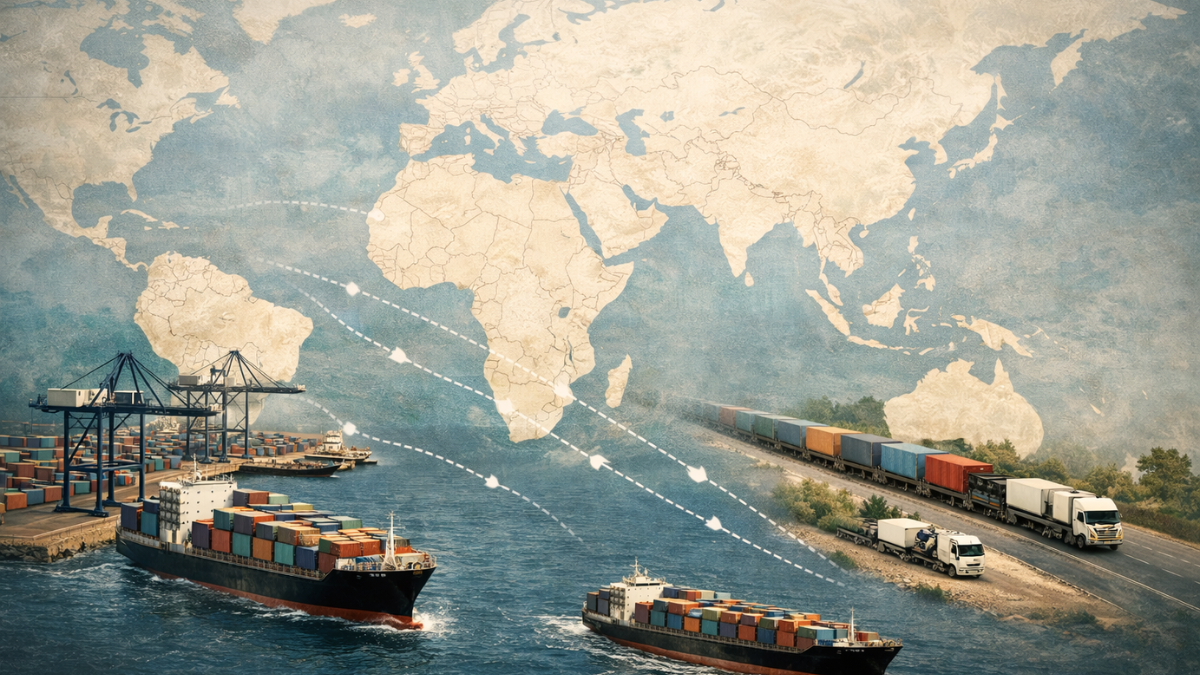
To support this access, India invested heavily in the Chabahar Port project in Iran. Chabahar was not meant to be just another port. It was designed to help India send goods and assistance to Afghanistan and to stay connected with Central Asia. The project allowed India to bypass Pakistan and overcome geographical barriers that limit its reach.
Although sanctions, financial delays, and political changes in Afghanistan have slowed work at Chabahar, its strategic value remains unchanged. Iran continues to be India’s main land bridge to the west. If Iran faces prolonged instability or internal power struggles, large infrastructure projects like Chabahar could be disrupted. This would place India’s long-term investments and planning at risk.
Trade between India and Iran is often described as limited, with annual figures remaining relatively small. Oil imports have stopped due to sanctions, and trade mainly includes food, medicines, and agricultural products. However, these numbers do not reflect the full importance of the relationship. Continued trade shows that political and logistical links are still active. India has also committed significant funds to Iranian infrastructure, which cannot be easily replaced if projects are abandoned.
Regional Balance, Security, and Growing Pressure
Iran has played an important role in limiting Pakistan’s influence in the region. Despite religious connections, Iran has not supported Pakistan’s positions against India. In the past, when Pakistan sought dominance in Afghanistan, Iran and India found themselves on the same side in opposing that approach. This limited Pakistan’s regional leverage and reduced its ability to shape outcomes alone.
Iran has also supported India diplomatically at critical moments. Its independent stance helped prevent Pakistan from gaining wider backing on sensitive regional issues. If Iran weakens or becomes hostile, India would lose a significant regional counterweight, indirectly benefiting Pakistan.
Trump redraws trade lines: Iran ties now trigger automatic 25% U.S. tariffs worldwide
Beyond diplomacy, Iran has acted as a barrier against extremist groups such as ISIS and the Taliban. These groups have targeted minorities and regional stability, including areas important to India. Iran’s security efforts have helped contain their influence. A weakened Iran could allow such groups more space to operate, increasing instability in the wider region.
Another major concern for India is China’s expanding presence in Iran. China is Iran’s largest trading partner and a major buyer of its oil under sanctions. Long-term cooperation agreements have strengthened their ties, and Chinese-backed projects are growing across Iran. If Iran becomes unstable or dependent on external support, China’s influence could deepen further. This could reduce India’s limited but strategic presence, especially around Chabahar.
India has learned how to manage relations with Iran’s current system, despite its challenges. The system may be restrictive, but it is familiar and predictable. Sudden instability, fragmentation, or a shift toward external control would create uncertainty. In an already unsettled region, such uncertainty would directly affect India’s access routes, security interests, and regional balance.