

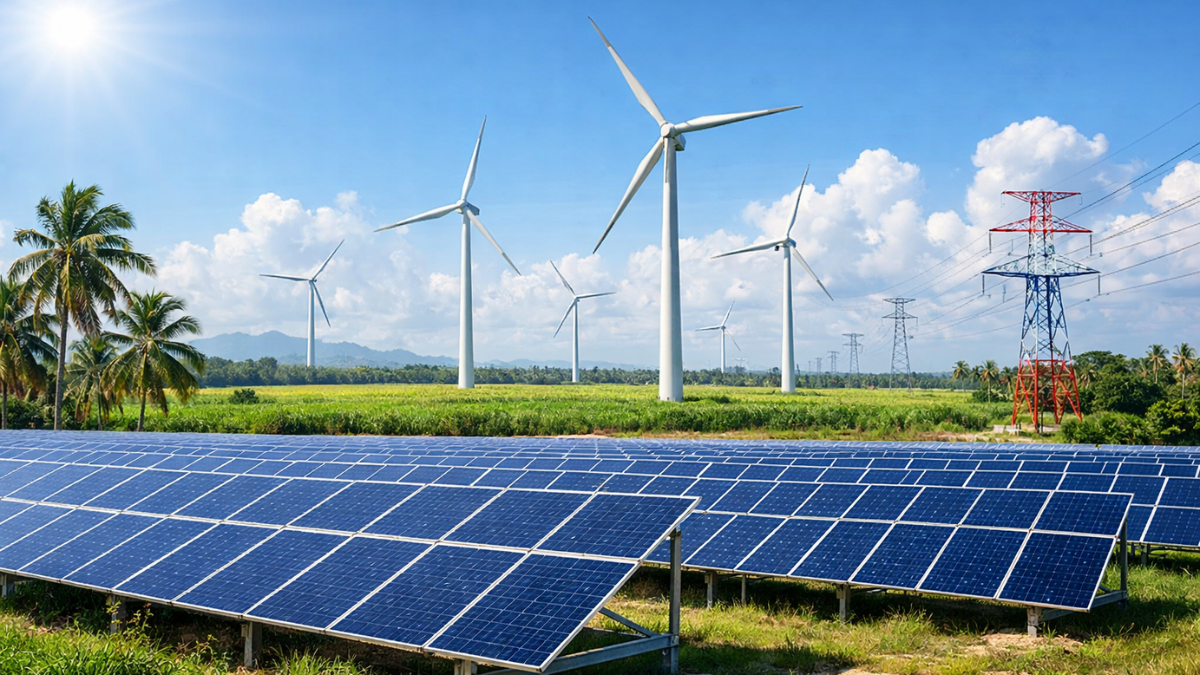


Cuba is facing a serious energy crisis. Long blackouts, fuel shortages, and climate disasters are putting pressure on the island’s fragile system. At the same time, US sanctions and reduced oil shipments have made it harder for the country to keep its power plants running.
Oil imports from Venezuela slowed after renewed pressure from the United States under President Donald Trump in January. Since then, power cuts have grown worse. By the end of that month, some outages lasted up to 24 hours, especially in eastern Cuba.
Cuba produces around 30,000 barrels of heavy crude oil per day, but it is low quality and not enough to meet national demand. Many thermoelectric plants are old and frequently break down. Fuel is expensive and scarce. In rural areas, farmers rely on horses because petrol is difficult to afford.
Peak daytime electricity demand stands at about 3,200 megawatts. Renewable energy, mainly solar, supplies roughly 9% of that total. Installed renewable capacity increased by 350% during 2025, but shortages remain severe.
In early February, Deputy Prime Minister Óscar Pérez-Oliva Fraga announced emergency measures similar to the “special period” of the 1990s. He said the government’s priority is accelerating the construction of solar parks, largely with Chinese support. The National Energy Transition Strategy, published in September 2024, aims to increase local oil production and expand renewables, with the long-term goal of generating electricity entirely from national resources.
Russia openly defies Cuba sanctions as Putin reaffirms sovereignty stance
Climate Pressure and Environmental Damage
Cuba is highly vulnerable to climate change. A recent hurricane affected 3.5 million people, damaging or destroying 90,000 homes and 100,000 hectares of crops. The country faces stronger storms, flooding, droughts, and unusual cold temperatures.
Environmental damage has made the situation worse. Nearly 90% of Cuba’s original forest cover was cleared over centuries, first for shipbuilding and later for sugarcane farming. This caused severe soil erosion, reducing the land’s ability to cope with floods and droughts.
Climate change is adding to the energy crisis. Extreme weather damages homes, farms, and infrastructure. Power lines and power plants are also at risk during hurricanes and floods.
Solar Parks and Wind Farms Expand Rapidly
Renewable energy is not new in Cuba. Solar panels were installed in rural health centers in the late 1980s. The first wind farm opened in 1999. Since 2006, renewables have been part of a national “energy revolution” focused on efficiency and reducing fuel imports. However, the current crisis has pushed the transition forward more rapidly.
In December 2024, Cuba signed an agreement with China to build seven solar parks with a combined capacity of 35 megawatts. The government plans to install 92 solar parks totaling 2 gigawatts by 2028. Chinese investment is central to these projects.
By October 2025, 35 solar parks had been completed, providing up to 750 megawatts of capacity and saving an estimated 111,620 tonnes of fossil fuels. A new solar park in Camagüey province generates 21.8 megawatts and feeds directly into the national grid.
Cuba’s energy grid under strain as Mexican aid ships break through sanctions pressure
Cuba also operates four experimental wind farms with a combined capacity of 11.8 megawatts. The largest wind project in Herradura is expected to produce 33 megawatts from 22 turbines, built with Chinese backing.
China is overproducing solar panels, allowing it to supply equipment to Cuba. In some cases, panels have reportedly been exchanged for nickel, a mineral for which Cuba holds large reserves.
High Costs, Weak Grid, and Inequality Challenges
Despite rapid expansion, major challenges remain. Experts estimate the transition will require between $8 billion and $10 billion over the next decade. Cuba does not have that amount of money.
The transmission system is outdated, losing about 16% of generated electricity. Solar energy produces power only during daylight, while peak demand usually occurs between 7 pm and 8 pm. Cuba also lacks sufficient battery storage, which is the most expensive part of renewable energy systems.
At the household level, renewable energy is not affordable for everyone. A single solar panel costs about £100, while the average monthly salary in some provinces is about £10. Entrepreneurs and families receiving money from relatives abroad are more likely to install panels.
Emergency rules now allow individuals to sell renewable electricity to third parties, including companies and public institutions.