

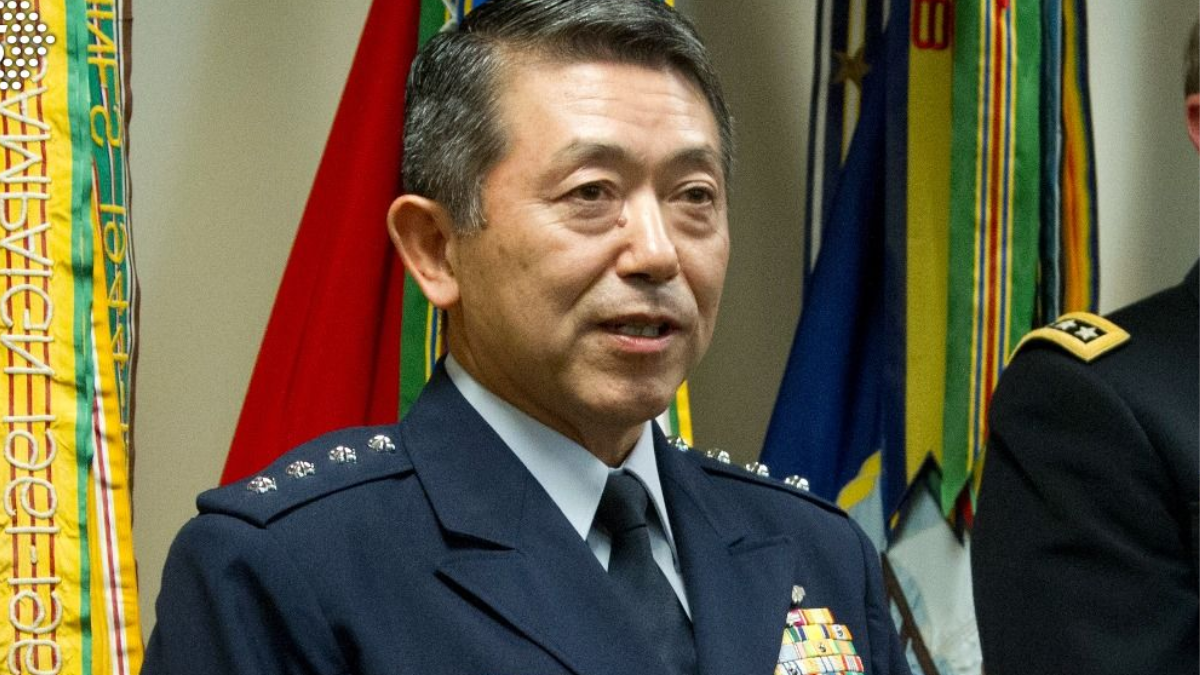


China has announced sanctions against Shigeru Iwasaki, a former head of Japan’s Self-Defence Forces, after he accepted a position as a political adviser to Taiwan’s executive branch. The Chinese Foreign Ministry confirmed that the measures take effect immediately.
The announcement underscores Beijing’s growing sensitivity toward foreign involvement in Taiwan. It reflects China’s long-standing position that any foreign support for Taiwan’s government is unacceptable, particularly when it involves high-profile figures with military experience. By imposing these sanctions, China is sending a clear signal that it views such appointments as a challenge to its sovereignty and territorial claims.
What Happened and What the Sanctions Mean
China explained that Iwasaki “colluded with ‘Taiwan independence’ separatist forces, interfered in China’s internal affairs, and seriously undermined China’s sovereignty and territorial integrity.” In other words, Beijing sees his advisory role in Taiwan’s government as a direct interference in what it considers its domestic matters.
Taiwan is a self-governing region with its own government and military. However, China considers the island part of its territory and strongly opposes any involvement of foreign officials in its administration. The appointment of a former senior Japanese military official to an advisory role is highly unusual, as retired military leaders from Japan rarely take formal positions connected to Taiwan.
While the U.S. restricts chips, China powers AI with the world’s largest electricity grid
Iwasaki’s background as the former chief of Japan’s Self-Defence Forces’ Joint Staff makes his involvement especially sensitive. His experience and stature in Japan’s military establishment give his role greater political significance in the eyes of Chinese authorities. Beijing likely views this not only as a symbolic challenge but also as a potential influence on Taiwan’s security and defence strategies.
The sanctions, therefore, are both practical and symbolic. They prevent Iwasaki from entering China and engaging with Chinese organizations, while also signalling Beijing’s intolerance for foreign involvement in Taiwan’s government. The announcement reflects China’s broader approach of responding firmly to actions it sees as undermining its territorial claims.
Why China Reacted Strongly
China’s firm response comes from its long-standing position that Taiwan is an inseparable part of China. Beijing views any foreign involvement in Taiwan’s government as interference in its internal affairs.
China’s statement accused Iwasaki of working with forces that promote Taiwan’s independence. These words are often used in official statements to highlight actions that Beijing considers threatening to its territorial claims.
Japan and China have a complicated relationship involving trade, history, and security concerns. Taiwan remains a particularly sensitive area, and any Japanese figure working in Taiwan can provoke a strong reaction from China.
China slaps new ban on Japanese seafood — diplomatic clash over Taiwan sparks trade showdown
Regional Context and Political Significance
The sanctions come amid heightened tensions in East Asia. Taiwan is a major point of dispute between China and neighbouring countries. Japan has increasingly emphasized that Taiwan’s security is linked to regional peace.
Taiwan often engages international experts and advisers to strengthen its governance and security. In this case, Shigeru Iwasaki’s background in Japan’s military made the advisory role more politically sensitive.
China has a history of imposing travel bans and business restrictions on foreign figures involved with Taiwan. These sanctions usually serve as political warnings rather than causing direct financial harm. By sanctioning Iwasaki, China is signalling a firm stance to others who might engage with Taiwan in similar ways.
The announcement illustrates how political, military, and diplomatic issues are deeply intertwined in East Asia. Even retired foreign military officials can become central figures in international disputes over Taiwan.
China’s decision to sanction Shigeru Iwasaki reinforces its strict position on Taiwan and serves as a clear warning about foreign involvement in the island’s government. It highlights how sensitive and closely watched Taiwan-related actions remain in the region.