



Iran has put forward a new 10-point plan calling for a permanent end to the ongoing conflict. This move comes after it rejected a 15-point peace proposal from the United States. The response was shared through Pakistan, according to Islamic Republic News Agency.
Iran explained that it could not accept a simple ceasefire. It pointed to past experiences where such agreements did not last. Instead, the country is asking for a more complete and lasting solution that addresses deeper issues.
Key Demands in Iran’s 10-Point Plan
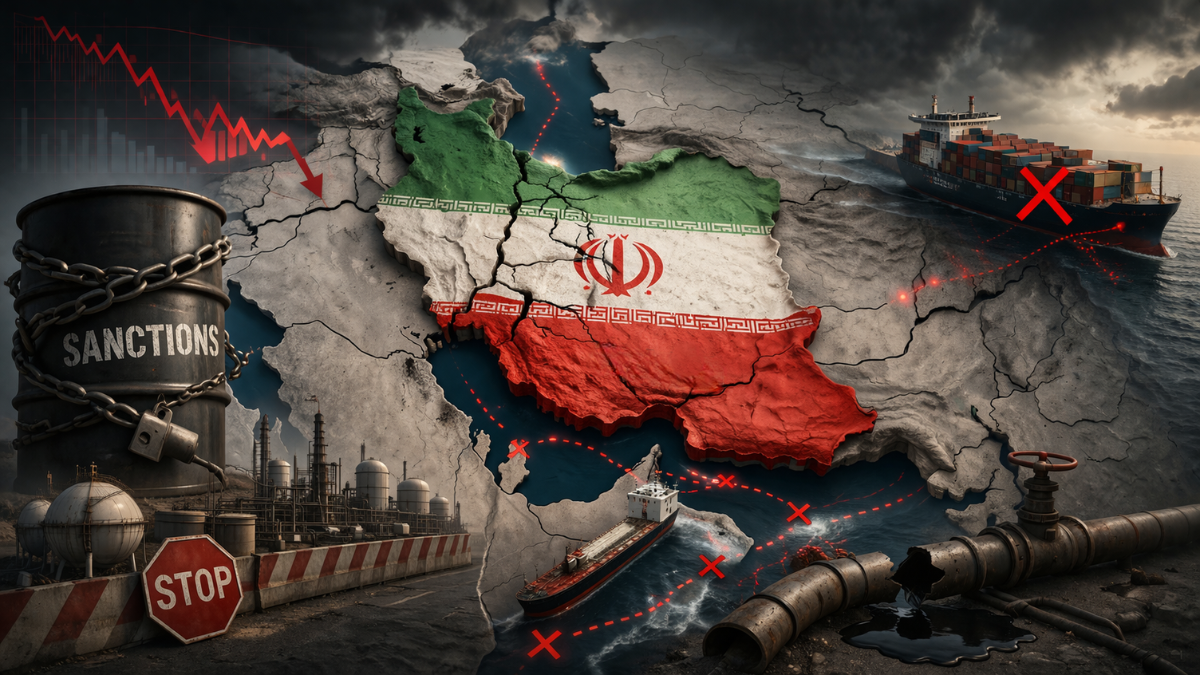
The 10-point plan includes several key demands. These include ending conflicts across the region, allowing safe movement of ships through the Strait of Hormuz, rebuilding areas damaged by war, and lifting international sanctions placed on Iran. These points show that Iran is focusing on both security and economic recovery.
The proposal was delivered after recent developments in Iran’s western and central regions. It also followed an unsuccessful US military operation. Reports say that the US had earlier set a deadline for Iran, which has now been extended again, increasing pressure on ongoing negotiations.
US Response and Rising Tensions Over Deadline
The United States responded to Iran’s plan by calling it an important step, but not enough to reach a final agreement. Donald Trump said that discussions are still ongoing through intermediaries and that talks have not stopped.
The Iran Dilemma: How U.S. sanctions prevent Pakistan from accessing cheap neighboring oil
At the same time, the US has set a strict deadline for Iran to agree to a deal. It has been made clear that only the US leadership will decide whether a ceasefire is acceptable. This has added urgency to the situation.
Tensions have increased as the deadline approaches. Strong warnings have been issued, including the possibility of further military action if no agreement is reached. These warnings mention possible strikes on important infrastructure such as power plants and bridges.
Another major point of disagreement is control over the Strait of Hormuz. Donald Trump stated that reopening the strait is necessary for any deal. He also suggested that the United States should have the authority to charge tolls for ships passing through, instead of Iran.
The Strait of Hormuz is one of the world’s most important shipping routes. A large amount of global oil passes through this narrow waterway every day. Any disruption in this route can affect oil supply, shipping costs, and fuel prices across many countries.
Iran rejects Pakistan as peace broker and refuses to meet US delegation in Islamabad
Military Actions and Impact on Iran’s Infrastructure
Alongside the diplomatic efforts, military activity has continued. The United States reported a large-scale rescue mission involving as many as 155 warplanes. The operation aimed to rescue a second airman inside Iran and was described as complex and high-risk.
During the mission, some aircraft were destroyed by US forces themselves. This was done to prevent sensitive equipment from falling into Iranian hands. The planes were said to contain advanced communication tools and anti-missile systems that were considered critical.
At the same time, Israel Defense Forces reported major strikes on Iran’s energy sector. According to its statement, more than 85 percent of Iran’s petrochemical export capacity has been made inoperable after targeted attacks.
The strikes focused on key infrastructure, including one of Iran’s largest petrochemical complexes located in the southern Bushehr province. These attacks were carried out based on intelligence inputs and were aimed at weakening Iran’s export capabilities.
These developments show that the situation remains highly tense. While talks are happening through intermediaries, military actions continue on the ground. The focus remains on control of key resources, infrastructure, and strategic routes like the Strait of Hormuz, which plays a major role in global trade and energy movement.