

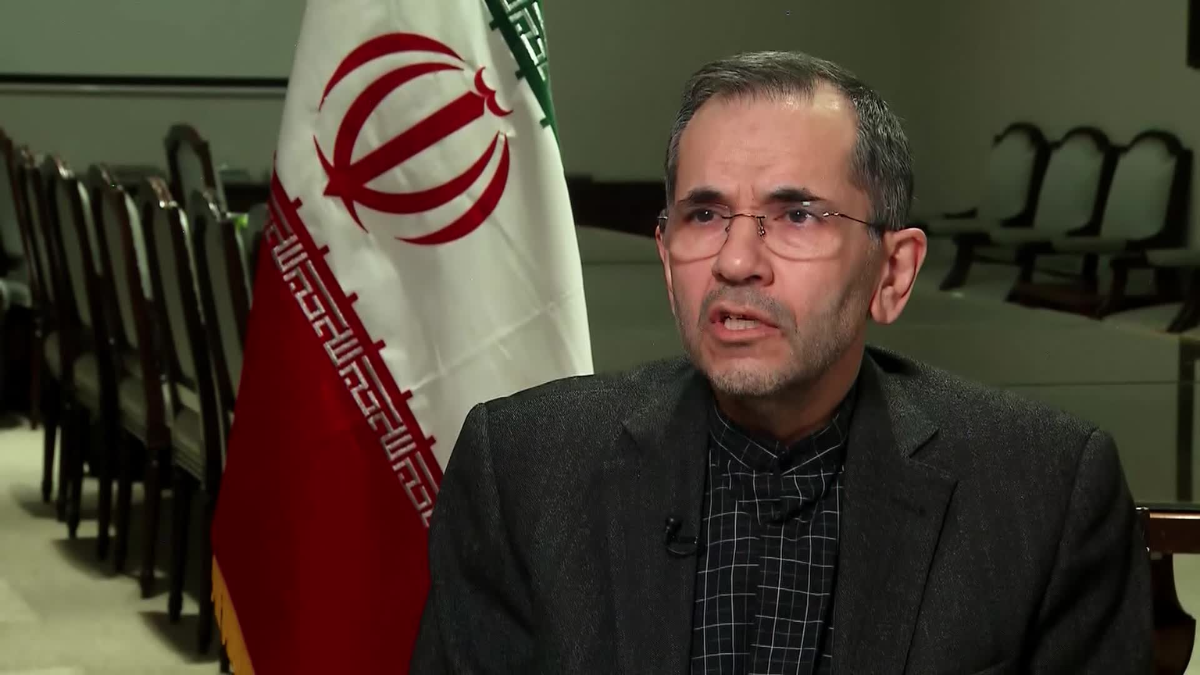


Iran has said it is willing to consider compromises in nuclear negotiations with the United States if sanctions relief is included in the discussions. The statement comes as diplomatic talks between the two countries have resumed after a long pause.
Iran’s Deputy Foreign Minister, Majid Takht-Ravanchi, said sanctions must be part of any serious negotiation. He explained that these restrictions have caused major damage to Iran’s economy and have affected daily life across the country. According to him, without sanctions relief, progress on a nuclear deal would be difficult.
Takht-Ravanchi said the responsibility now lies with the United States to show that it genuinely wants an agreement. He stated that Iran has already shown willingness to engage and that the next move must come from Washington.
Iran and the United States recently resumed indirect talks in Oman. These discussions marked the first step toward reopening dialogue after months of tension. A second round of talks is scheduled to take place on Tuesday in Geneva, with mediators involved in the process.
Iranian officials described the initial discussions as moving in a generally positive direction. However, they stressed that it is still too early to judge the outcome of the negotiations.
Adani faces U.S. sanctions probe over alleged Iran-linked transactions
Sanctions Relief and Nuclear Limits at the Core
Sanctions relief remains Iran’s main demand. Officials say international sanctions have weakened the economy, reduced trade, and limited access to financial systems. Iran insists that nuclear discussions must directly address these economic pressures.
Iran has said it is prepared to discuss limits on its nuclear program in exchange for the lifting of sanctions. This could include reducing or diluting its most highly enriched uranium. Iran’s atomic authorities have stated that the country could take such steps if all financial sanctions are removed.
At the same time, Iran has firmly rejected ending uranium enrichment completely. Takht-Ravanchi said the idea of “zero enrichment” is no longer under discussion and is not acceptable to Iran. Officials maintain that some level of enrichment is a national right.
When asked whether Iran would transfer its stockpile of enriched uranium to another country, officials said it was too early to say what might happen during negotiations. This indicates that technical details are still being discussed.
Iran continues to deny seeking nuclear weapons, though concerns remain due to its enrichment levels and past limits on inspections. These issues remain central to the ongoing talks.
Missiles, Security Concerns, and Diplomatic Tensions
Iran has clearly ruled out discussing its missile program as part of any nuclear deal. Takht-Ravanchi said Iran’s missiles are defensive and necessary for national security.
U.S. targets Iran’s ‘shadow fleet’ with new sanctions as tensions rise during Oman talks
He referred to last year’s 12-day conflict with Israel, during which Iran launched hundreds of missiles. The attacks resulted in civilian deaths and injuries in Israel. Iranian officials argue this conflict showed why missile capabilities are essential.
Israel has taken a different position. Prime Minister Benjamin Netanyahu has said any agreement with Iran must include nuclear issues, ballistic missiles, and Iran’s regional activities. He has expressed skepticism about whether a meaningful agreement can be reached.
The United States has also sent mixed signals. President Donald Trump has publicly threatened military action if talks fail and has suggested that regime change could be an option. Iranian officials say these public statements differ from private messages sent through intermediaries, which focus more on diplomacy.
Iran has warned that if it feels an existential threat, it will respond. Officials have said that war would destabilize the region and that many countries oppose further conflict.
Delegations from both sides are expected to meet in Geneva, following the earlier talks in Oman. Iran says it will continue engaging in diplomacy but insists that sanctions relief and mutual sincerity are essential parts of the process.