

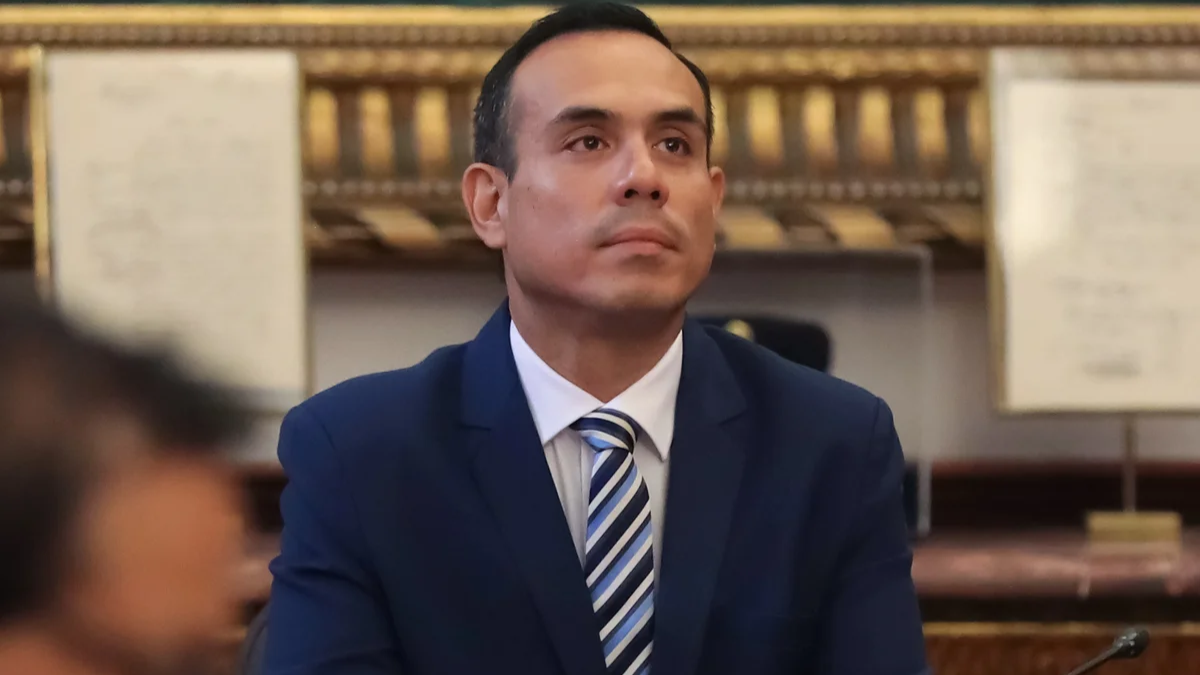


Peru has plunged further into political turmoil after interim president José Jerí was removed from office following corruption allegations linked to a scandal known as “Chifagate.” The removal marks the seventh time in ten years that the country has seen a president ousted, highlighting the deep instability affecting Peru’s political system.
The decision came on Tuesday, just months before the country is due to hold presidential and congressional elections in April. Instead of focusing on election preparations, Peru is once again grappling with leadership changes, accusations of misconduct, and growing public uncertainty.
The latest development adds to a long-running crisis that has weakened trust in public institutions and disrupted governance across the country.
Chifagate Allegations Lead to Swift Congressional Action
The controversy surrounding José Jerí centers on allegations that he was secretly filmed during an undisclosed meeting with a Chinese business executive. Reports said the executive is connected to a public energy project operating under a government concession.
The meeting was not made public at the time, which raised concerns among lawmakers. The situation worsened after reports emerged that Jerí had also met with another businessperson who is reportedly under investigation for alleged involvement in illegal logging.
Trump administration blacklists Pacific Island officials in China-linked corruption move
These allegations became known as the “Chifagate” scandal and quickly drew national attention. Jerí denied any wrongdoing and said he would cooperate with authorities. However, the controversy intensified political pressure within Congress.
Lawmakers moved to censure Jerí in his role as head of Congress. Under Peru’s rules, this step had immediate consequences. Jerí had become president because he was leading Congress, so losing that position automatically stripped him of the presidency.
The censure vote required only a simple majority and did not involve a lengthy impeachment process. Following the vote, Jerí said he would respect the decision and return to his role as a legislator.
The speed of the process highlighted how quickly leadership can change in Peru’s current political environment.
A Pattern of Instability Since 2016
Jerí’s removal is the latest chapter in a prolonged political crisis that has plagued Peru since 2016. Over the past decade, the country has cycled through seven presidents, many of whom were removed before completing their terms.
Jerí assumed the interim presidency on October 10, 2025, after the dismissal of his predecessor, Dina Boluarte. Boluarte was removed after right-wing parties withdrew their support amid new corruption scandals.
Toronto police corruption investigation draws response from Ford and Chow
Because Boluarte did not have a vice president, Jerí, who was then head of Congress, was next in line for the presidency. This constitutional arrangement has been used multiple times in recent years and has contributed to repeated leadership changes.
The frequent turnover has weakened public confidence and led to ongoing protests and dissatisfaction. Many Peruvians see the constant power struggles between Congress and the presidency as a major obstacle to stable governance.
Elections Near as Congress Chooses New Leadership
Following Jerí’s removal, Congress must now elect a new head of Congress. That person will also assume the role of interim president until the next administration takes office.
The interim presidency will last until July 28, 2026, when the winner of the upcoming elections is sworn in. Peru is scheduled to hold presidential and congressional elections on April 12.
The presidential field remains crowded. Conservative businessman Rafael López Aliaga is currently leading in polls, while Keiko Fujimori, daughter of former president Alberto Fujimori, is running second in many surveys. Fujimori narrowly lost the 2021 election after receiving 49 percent of the vote.
If no candidate secures more than 50 percent of the vote in April, the top two candidates will advance to a runoff election in June.
Lawmaker Rospigliosi said political parties have until 6 p.m. local time to present candidates for the new congressional leadership. Congress is expected to vote on a new interim president on February 18.