


The European Union has taken a rare and serious step by imposing sanctions on a port in Georgia, a country that still holds official EU candidate status. The decision is part of the EU’s 20th sanctions package, announced in early February 2026, and is aimed at increasing pressure on Russia ahead of the fourth anniversary of the invasion of Ukraine.
This is the first time the EU has sanctioned a port located in a candidate country. Until now, Georgia was viewed mainly as a partner moving toward European integration. The new sanctions signal a major shift. EU officials now see Georgia as playing an active role in helping Russia reduce the impact of Western sanctions.
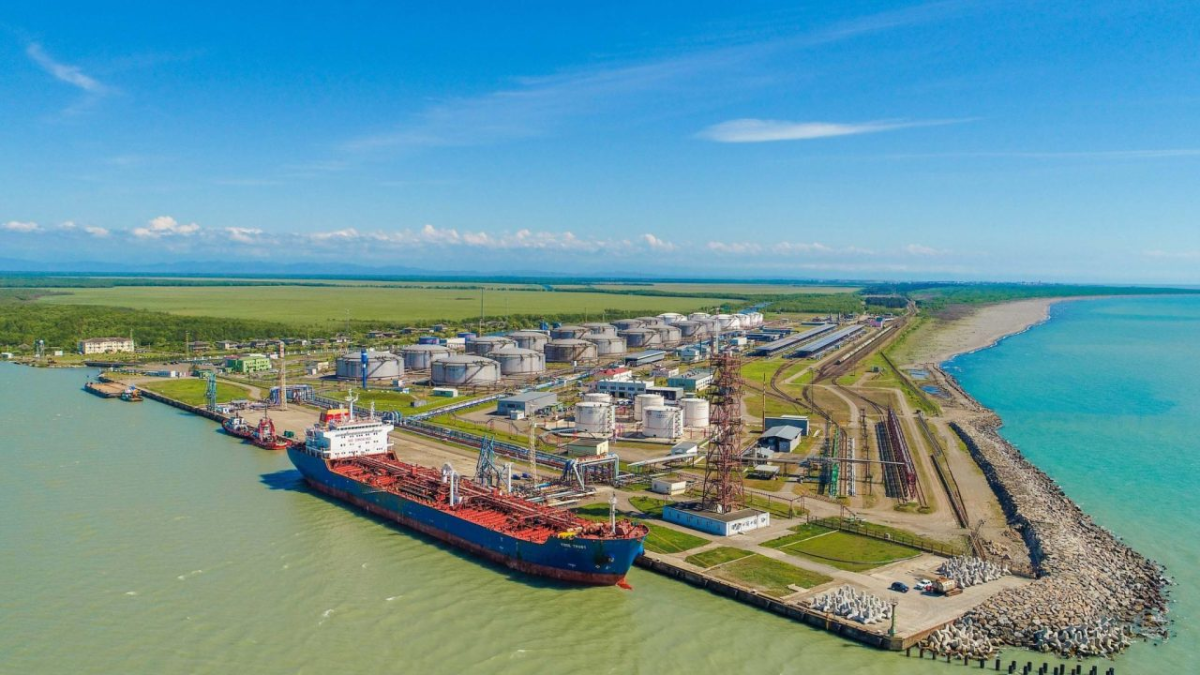
The focus of the measures is the Kulevi oil terminal, located on Georgia’s Black Sea coast. The EU says the port has become increasingly involved in shipping oil and petroleum products linked to Russia through risky and unclear maritime practices. The sanctions would restrict financial dealings with the terminal, making it harder for banks, insurers, and companies to continue working with it.
Why the Kulevi Terminal Was Sanctioned
The Kulevi terminal has long been part of Georgia’s energy system. It was historically owned by SOCAR and mainly used for oil transit. Its importance grew after Georgia opened its first oil refinery in late 2025.
130,000 Western cars flood Russia through China, exposing sanctions loophole in global auto trade
At the same time, imports of Russian crude oil increased sharply. Georgian customs data shows that Russian oil imports rose sixteen-fold during 2025. This sudden increase raised concerns within the EU that the terminal was being used to move Russian oil in ways that may bypass sanctions.
EU sanctions documents describe Kulevi as a hub for oil shipments linked to high-risk shipping methods. These include vessels with complex ownership structures and routes that make cargo difficult to track. In late January, the oil tanker Silvari, identified as part of Russia’s shadow fleet, made its first known delivery to the port. This event strengthened EU concerns about the terminal’s role.
If enforced, the sanctions would significantly limit financial interactions with Kulevi. This could disrupt port operations and affect its ability to handle oil and petroleum products.
Political Developments Driving EU Concerns
The sanctions come amid growing EU concern over political developments in Georgia. When the country received EU candidate status in December 2023, it was expected to carry out key reforms. These included improving judicial independence, fighting corruption, protecting media freedom, and supporting civil society.
UK weighs new sanctions on Russia after European report links Alexei Navalny’s death to poisoning
Instead, the ruling Georgian Dream party passed controversial laws similar to restrictive measures used in Russia. One law targets civil society groups and media organizations that receive foreign funding, raising concerns about limits on free expression.
Democratic standards declined further after the parliamentary elections in October 2024. The elections were followed by reports of irregularities, public protests, and opposition boycotts. These events led to increased criticism from European institutions.
The European Commission later described Georgia as a “candidate country in name only,” pointing to reduced alignment with EU foreign policy. Officials highlighted Georgia’s expanding economic ties with Russia, including oil, gas, tourism, and financial flows.
A central figure linked to these developments is Bidzina Ivanishvili, founder and informal leader of Georgian Dream. His business background includes wealth accumulated during the post-Soviet period with strong links to Russia. Public statements blaming Western countries for Georgia’s problems have echoed narratives associated with Moscow.
Georgia’s constitution still commits the country to joining the EU and NATO. However, recent actions and economic dependence on Russia have raised serious concerns in Brussels about Georgia’s current direction and its role in undermining Western sanctions.