

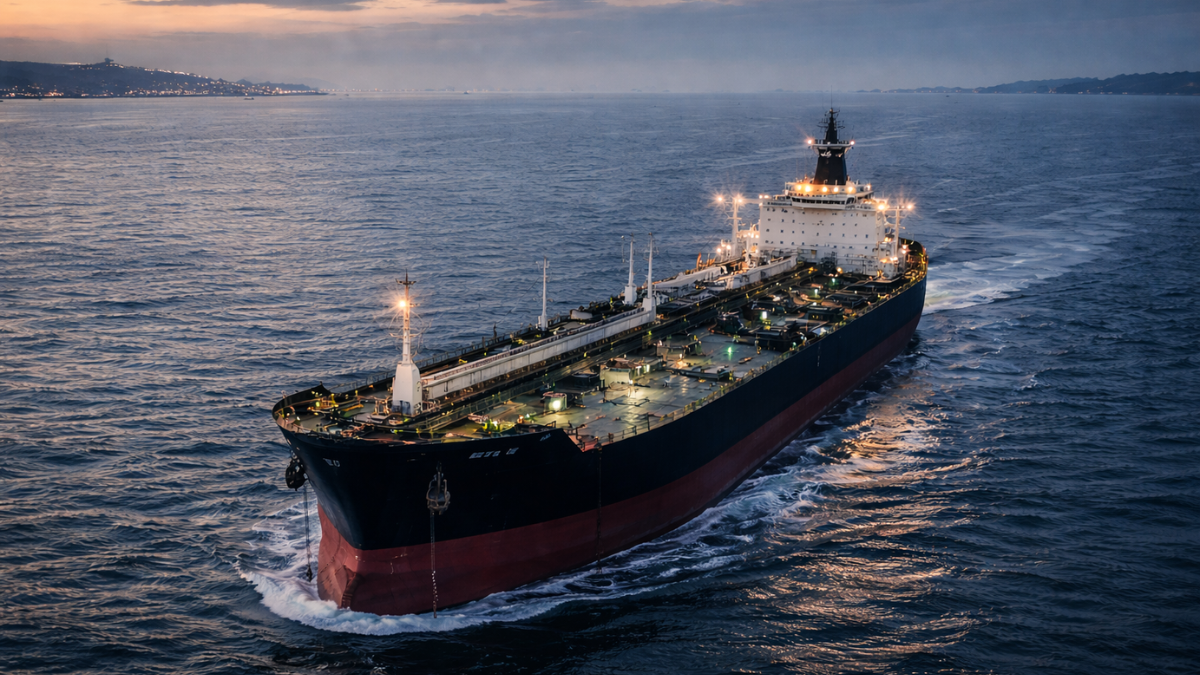


The United States has announced new sanctions targeting what it describes as a “shadow fleet” used to transport Iranian oil and petroleum products. The measures are aimed at cutting off revenue that the US says supports Iran’s government and its activities at home and abroad. The announcement was made by the US State Department amid heightened tensions, even as talks between the two countries are taking place in Oman.
According to US officials, the sanctions are part of a broader effort to restrict Iran’s main source of income. Oil and petrochemical exports remain central to Iran’s economy, and the US has long used sanctions to limit these earnings. The latest move focuses on shipping networks accused of helping Iran bypass existing restrictions.
Sanctions Target Ships, Companies, and Individuals
The US has imposed sanctions on 14 nautical vessels accused of secretly transporting Iranian-origin crude oil, petroleum products, and petrochemicals. These ships are said to operate as part of a hidden network designed to avoid detection and conceal the true origin of the cargo.
In addition to the vessels, the sanctions apply to two individuals and 15 entities. These include ship management companies and related firms based in countries such as China, Liberia, and Turkiye. US authorities say these groups have traded in or helped move Iranian oil and related products despite international restrictions.
U.S. warns Algeria of possible sanctions after confirmed purchase of Russia’s Su-57 fighter jets
The US State Department said the goal of these measures is to “stem the flow of revenue” to Tehran. Officials argue that this revenue is used to support activities they describe as destabilising and to maintain control inside the country. The department added that it will continue to impose economic penalties on any individual or group that supports Iran’s oil trade.
In its statement, the State Department also linked the sanctions to Iran’s recent antigovernment protests. It accused the Iranian government of prioritising its own interests over the safety of its citizens and using force against peaceful demonstrators.
Tariff Threats and Rising Pressure
Shortly after the sanctions were announced, US President Donald Trump signed an executive order threatening additional tariffs. These tariffs could be imposed on any country that acquires goods or services from Iran. The move expands the pressure beyond Iran itself to include its trading partners.
In a fact sheet, the Trump administration compared the tariff threat to measures used against countries that trade with Cuba, which faces a US-led energy blockade. In both cases, the US has accused the governments of supporting terrorism and posing a threat to US national security.
The sanctions and tariff threat form part of a broader pressure campaign. Over the past month, President Trump has issued several warnings regarding Iran. On January 2, he said the US would come to the “rescue” of Iranian protesters killed during the crackdown and stated that the country was “locked and loaded and ready to go.”
U.S. lawmakers seek to shield Lebanon’s democracy with sanctions against election meddling
On January 13, an interview aired on CBS News in which Trump said the US would take “very strong action” if protesters were executed. On the same day, he posted a message on Truth Social encouraging demonstrators to continue their protests.
Later in January, Trump announced the deployment of a “massive armada” to waters near Iran, including the aircraft carrier USS Abraham Lincoln. Reports later said an Iranian drone was shot down as it approached the carrier.
Sanctions Announced as Talks Continue
The sanctions were announced as the US and Iran held talks in Oman aimed at reducing tensions. Ahead of the discussions, the Trump administration released demands that included dismantling Iran’s nuclear programme, limiting its ballistic missile stockpile, and restricting its support for armed groups in the region.
While Iranian officials rejected some of these demands, Iran’s Foreign Minister Abbas Araghchi described the talks as a “good start.” The US has not publicly commented on the outcome.
US allies in the Middle East have urged caution, warning that further escalation could destabilise the region. The current situation reflects long-standing tensions that deepened after the US withdrew from the 2015 nuclear agreement, known as the Joint Comprehensive Plan of Action, during Trump’s first term.
The US State Department said it will continue to act against shipping and trading networks involved in transporting Iranian oil, describing these exports as Iran’s primary source of income.