

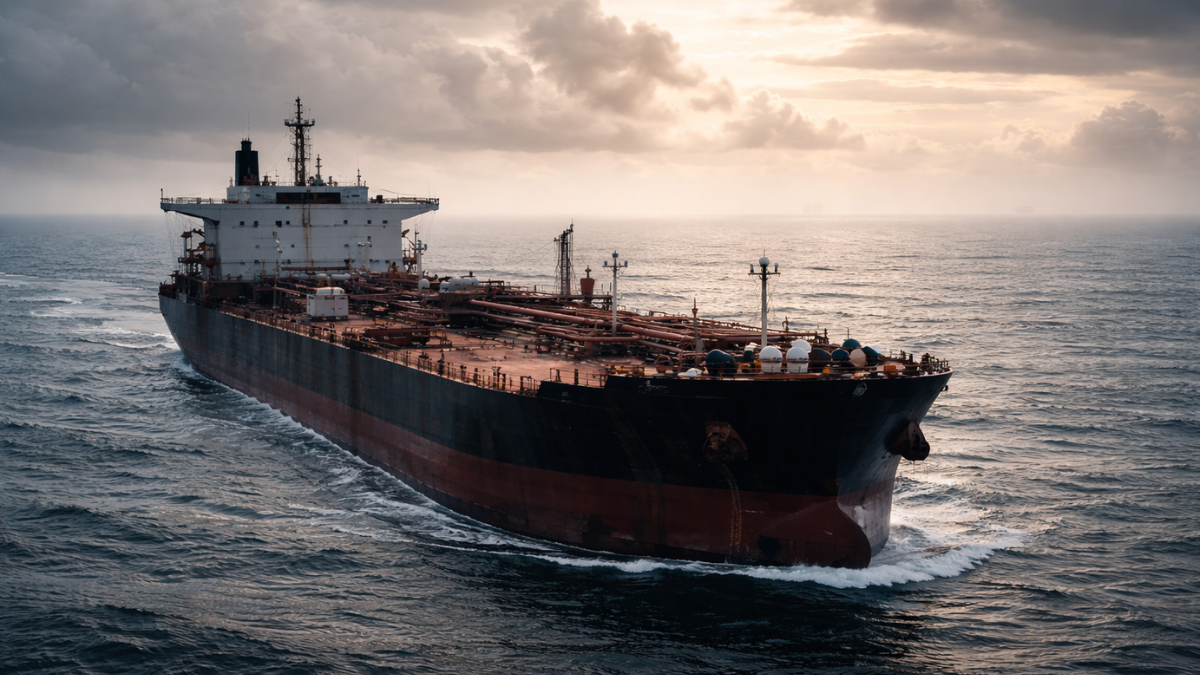


The United Kingdom is reportedly preparing for a strong new move at sea. British special forces may be deployed to seize Russian-linked oil tankers. These ships are part of the so-called “Russian shadow fleet.” The operation is intended to increase economic pressure on Russia by targeting vessels accused of evading international sanctions. This development highlights a serious approach to enforcing existing laws and disrupting illegal oil trading connected to the ongoing conflict involving Russia.
The plan is still under discussion, but legal and military preparations appear to be underway. The focus is on ships that operate without proper national registration, making them “stateless” under maritime rules. Stateless vessels do not have the protection of any country’s flag, allowing other nations to take action against them under certain laws.
Understanding the Russian Shadow Fleet
The Russian shadow fleet is a network of oil tankers used to transport Russian oil while avoiding international sanctions. These sanctions are intended to limit the flow of money from oil sales that could support military operations. The shadow fleet uses secretive practices, making it difficult for authorities to track their movements.
Many of these ships are old and poorly maintained. They frequently change names, ownership records, and flags. Some vessels use false flags or provide misleading information about their origin. This makes regulation difficult and raises safety risks for the environment and other ships at sea.
Russia becomes flag of choice as sanctioned oil tankers scramble to avoid seizures
Because these tankers often lack proper insurance and legitimate ownership, they pose risks beyond sanctions evasion. Accidents, collisions, and oil spills are more likely when ships are not properly inspected. Governments see the shadow fleet as both a legal problem and a threat to maritime safety.
The UK believes that stopping these ships could reduce illegal oil sales and cut off funding that supports Russia’s war efforts.
Legal Basis and Role of Special Forces
The seizures are being considered under the Sanctions and Money Laundering Act 2018. This law allows the UK to act against assets linked to sanctions violations. Ships that are stateless or using false registration may fall under this legal framework.
When a vessel is declared stateless, it loses protection from a flag state. This allows other nations to legally board, inspect, or seize it. UK ministers have reportedly identified this as a key legal pathway to act against shadow fleet tankers.
If operations proceed, they are expected to be led by the Special Boat Service (SBS), a highly trained naval special forces unit. These forces specialize in maritime missions, including boarding ships at sea. Operations would involve careful planning, intelligence, and coordination with the Royal Navy.
Sanctions were meant to choke Russian oil — instead, Moscow rerouted it to India
The approach is targeted rather than random. Ships would be selected based on evidence of sanctions evasion or false registration. The aim is to enforce the law, not escalate military conflict.
Recent Operations and Military Concerns
This follows the UK’s support for a recent US-led seizure of the tanker Marinera in the North Atlantic. The ship was accused of evading sanctions and using false registration. The UK provided support during the operation but did not lead the boarding. The seizure was described as targeting a “Russian-Iranian axis of sanctions evasion” that fuels the conflict.
At the same time, concerns remain about the readiness of Britain’s armed forces. Military officials have acknowledged gaps in planning for large-scale conflict, including the lack of civilian mobilisation strategies and limited funding for defence programmes.
Despite these concerns, the focus of the reported plan is strictly on enforcing existing laws against illegal oil transport. The operation highlights how economic measures, legal authority, and limited military actions are being combined to respond to sanctions evasion without expanding broader conflict.